21 Japandi Living Room Ideas That Feel Calm, Minimal & Beautifully Balanced
Does your living room feel cluttered, overwhelming, or just missing that calm, cozy vibe you see in aesthetic homes online? You’re not alone. Many spaces look “decorated” but don’t actually feel peaceful. That’s where Japandi style changes everything. By blending Japanese simplicity with Scandinavian warmth, it creates a space that feels clean, functional, and deeply relaxing. In this guide, you’ll discover Japandi living room ideas that help you design a home that looks beautiful—and feels even better to live in every day.
1. Neutral Color Palette for a Calm Foundation
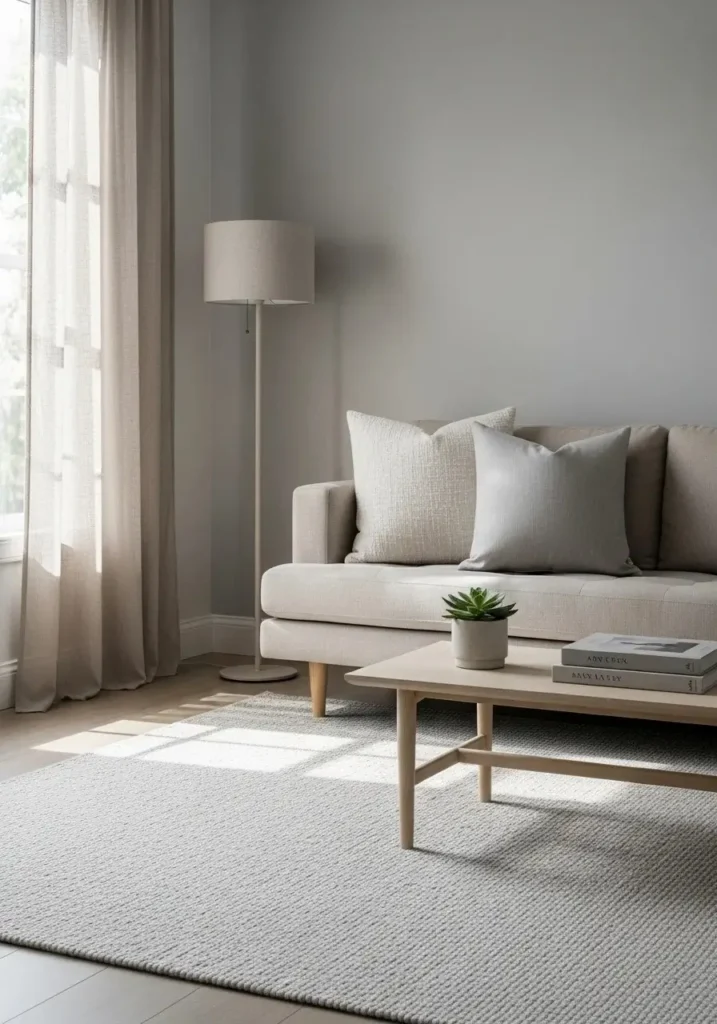
A Japandi living room always starts with soft, neutral tones like beige, off-white, warm gray, and muted taupe. These colors create a peaceful base that instantly makes your space feel open and uncluttered.
This works because neutral shades reduce visual noise and allow your mind to relax. The room feels airy yet grounded, without being cold or empty.
Tip: Stick to 2–3 main colors and layer them subtly to keep the look cohesive and calm.
2. Low Furniture for a Grounded Feel
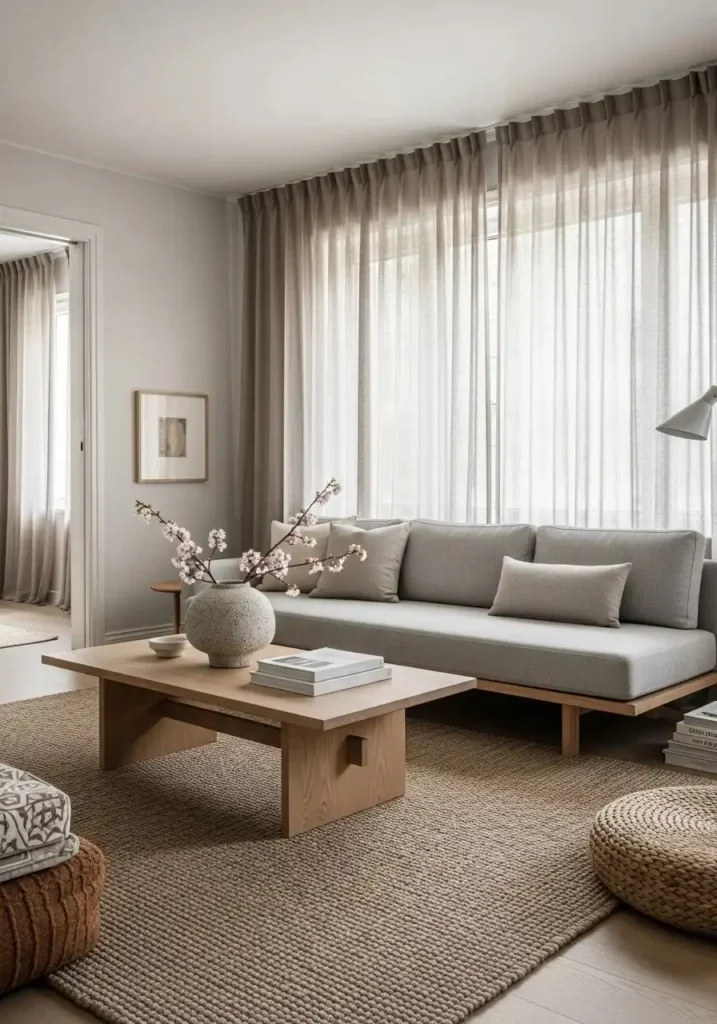
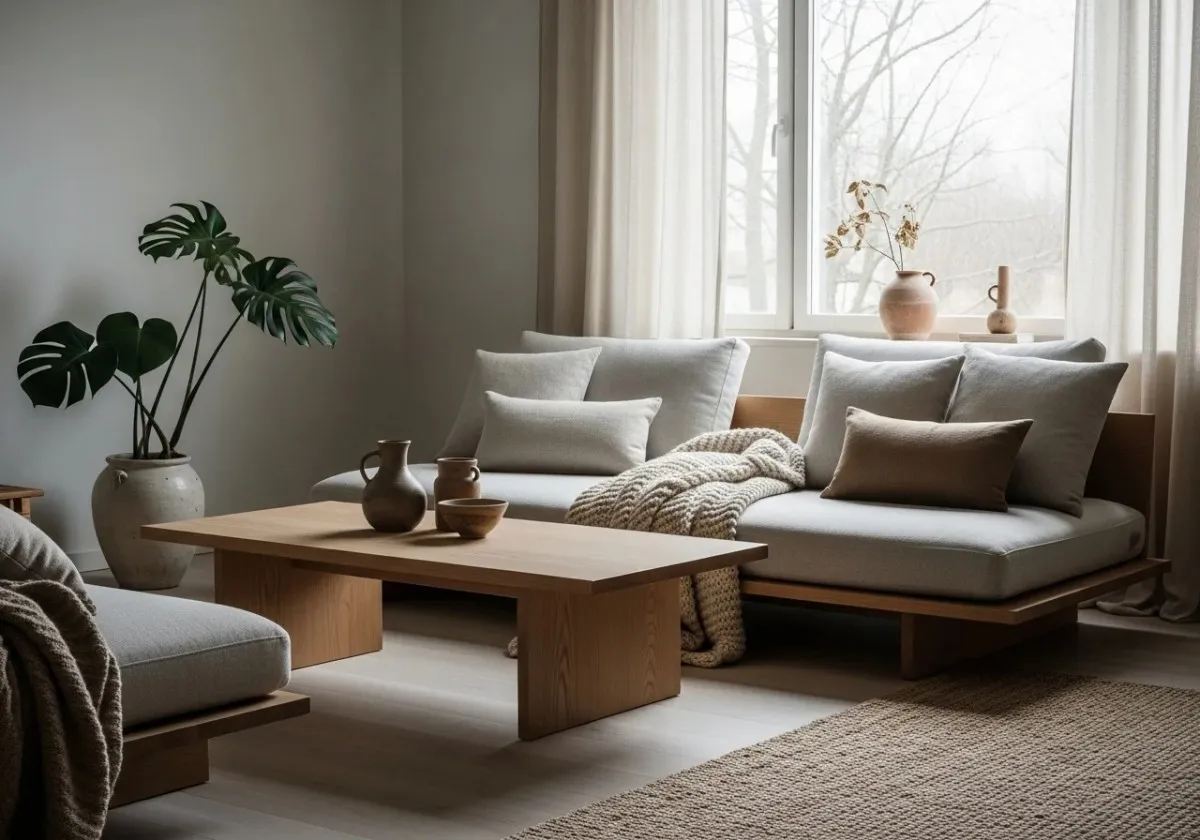
Low-profile sofas, coffee tables, and seating create a sense of closeness to the ground, inspired by Japanese interiors. This makes the room feel more connected and balanced.
This works because lower furniture visually expands vertical space, making ceilings feel higher and the room more open. It also encourages a relaxed, laid-back atmosphere.
Tip: Choose simple, clean-lined pieces without bulky legs or heavy details.
3. Natural Wood Tones for Warmth
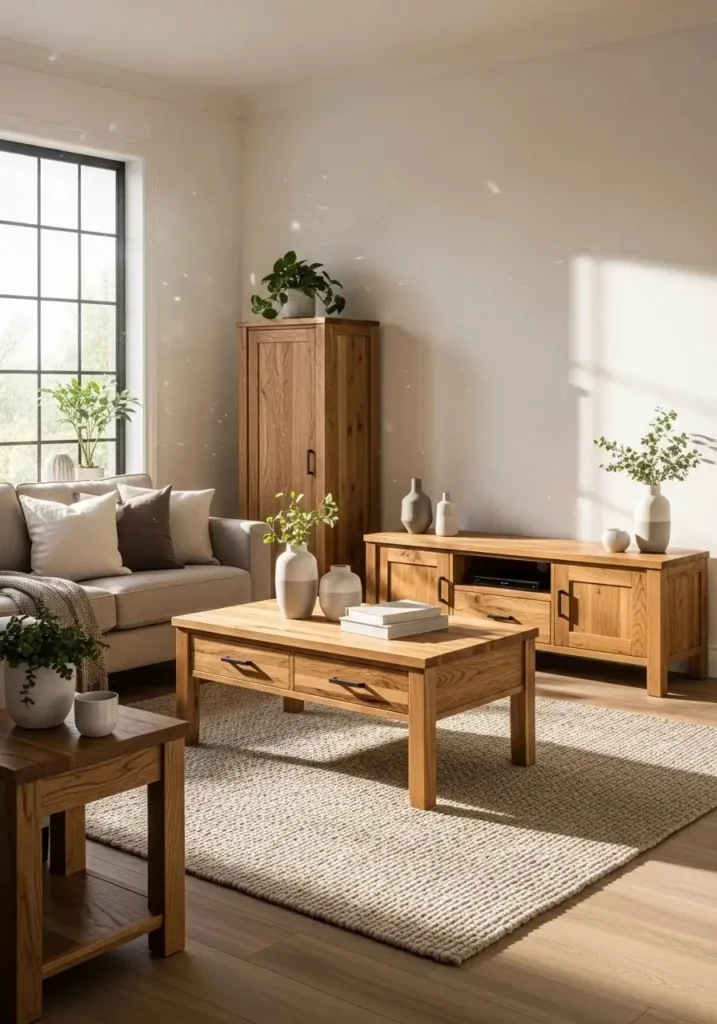
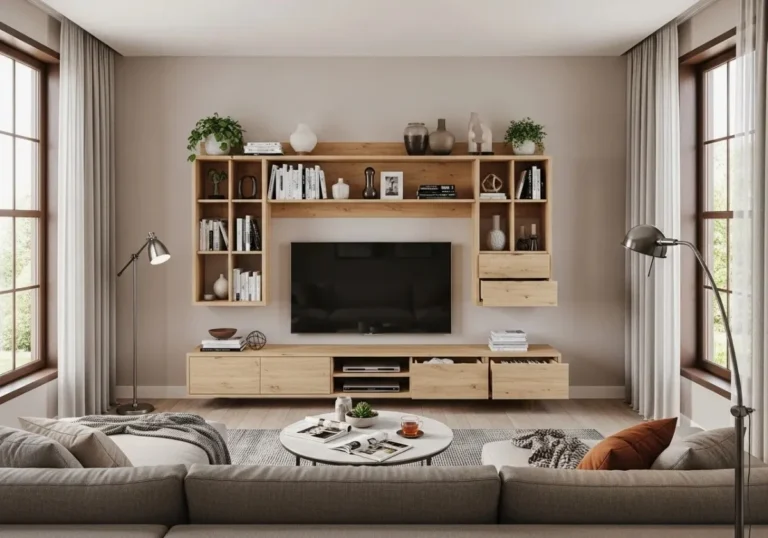
Light to medium wood tones are essential in Japandi design. Think oak, ash, or walnut used in furniture, shelving, or flooring.
This works because wood adds warmth and texture, balancing the minimalism with a cozy, lived-in feel. It prevents the space from feeling too stark or plain.
Tip: Mix two wood tones carefully to create depth without clashing.
4. Minimal Decor with Purpose
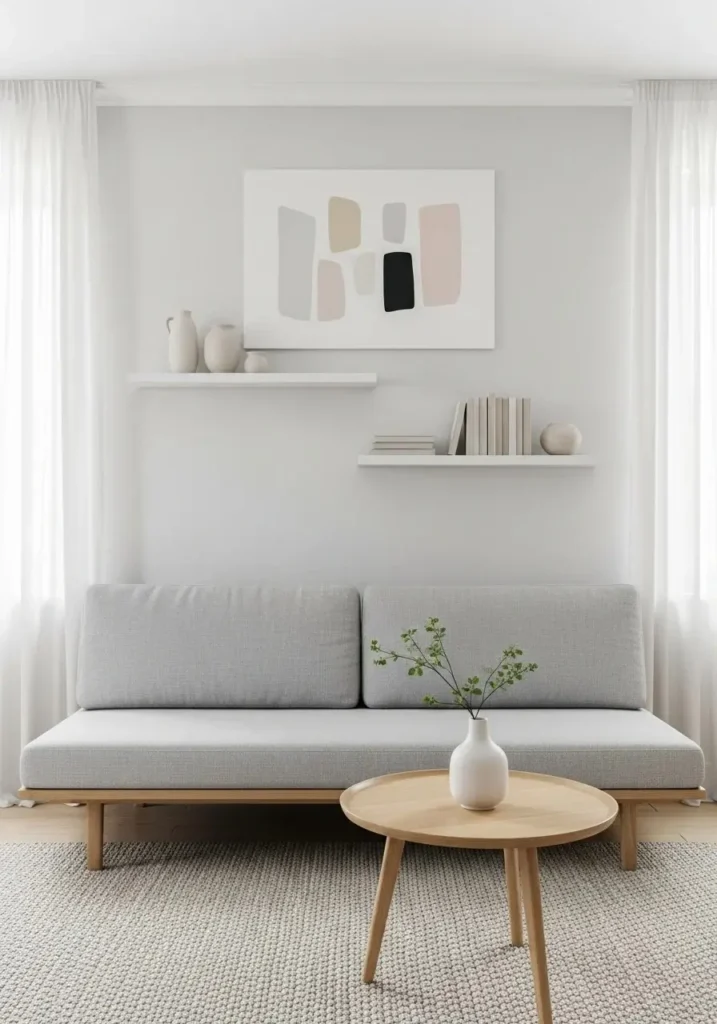
Instead of filling shelves with random items, Japandi focuses on fewer, meaningful pieces. Each decor item should feel intentional and calm.
This works because less clutter allows the eye to rest, creating a more peaceful and organized space. It’s about quality over quantity.
Tip: Display only items you truly love or use regularly.
5. Soft Textures for Comfort
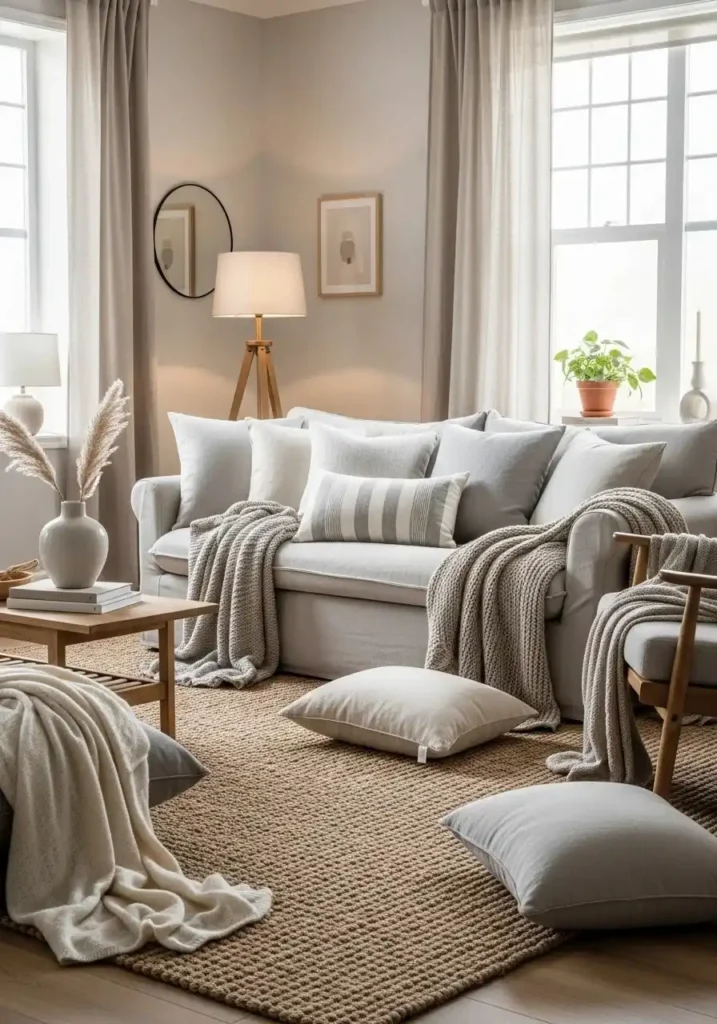
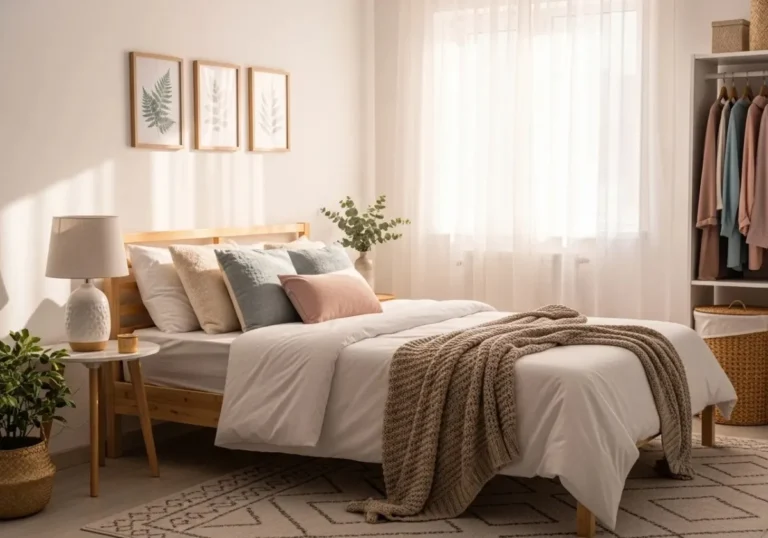
Layering soft textures like linen cushions, cotton throws, and woven rugs adds comfort without visual clutter. These elements bring quiet warmth into the room.
This works because texture adds depth even when the color palette stays simple. It makes the space feel cozy while maintaining minimalism.
Tip: Stick to neutral fabrics with subtle variations in texture.
See More Amazing Ideas Also: 15 Living Room TV Wall Ideas That Instantly Elevate Your Space
6. Japandi Living Room Ideas with Indoor Plants
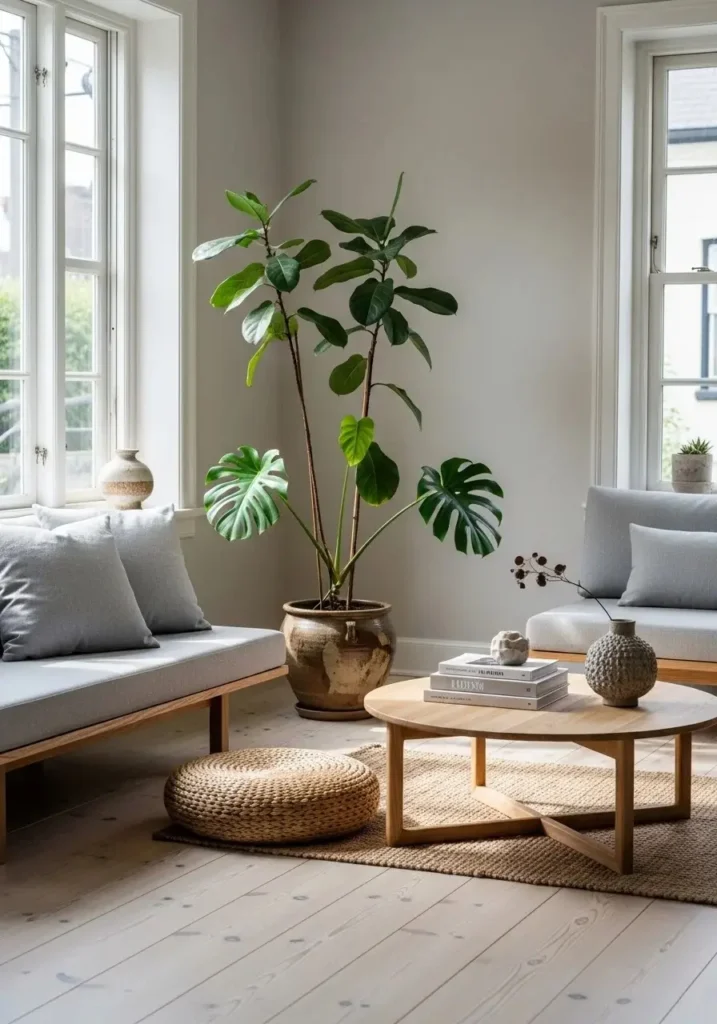
Adding a few well-placed plants brings life and freshness into your living room. Choose simple greenery like a small tree or potted plant.
This works because natural elements soften the clean lines and create a connection to nature, which is key in Japandi design.
Tip: Use minimal planters in ceramic or matte finishes to keep the look consistent.
7. Clean Lines and Simple Shapes
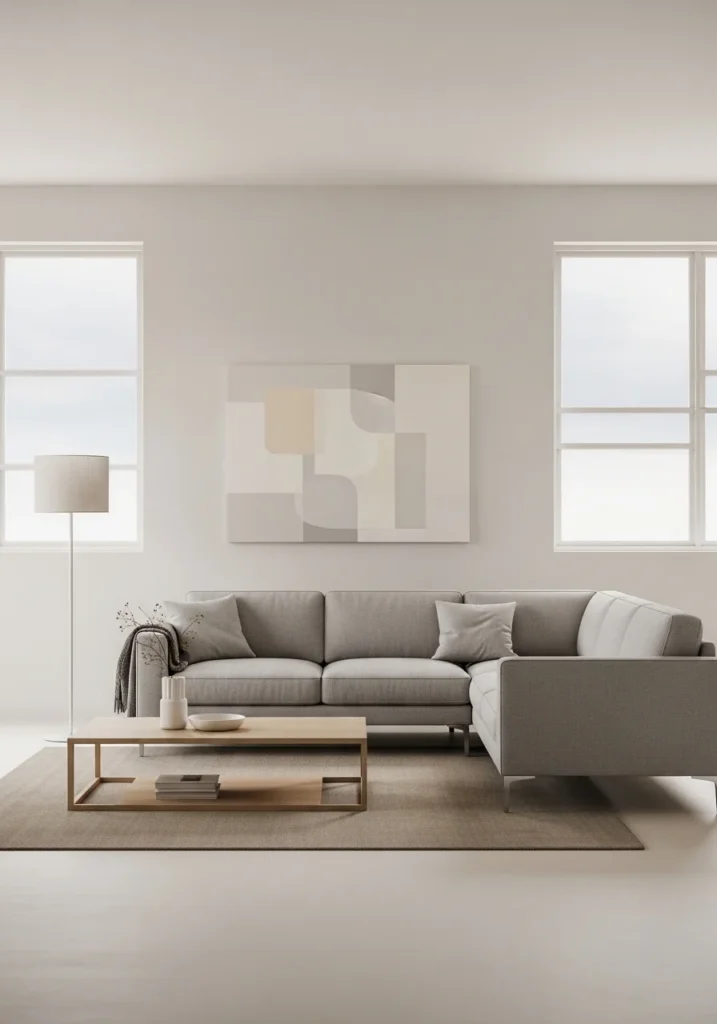
Furniture and decor in Japandi style feature clean lines and simple, functional shapes. Avoid overly decorative or complex designs.
This works because simplicity creates visual clarity, making the space feel calm and organized rather than busy.
Tip: Look for pieces with straight edges or gentle curves, not heavy detailing.
8. Warm Lighting for a Cozy Atmosphere
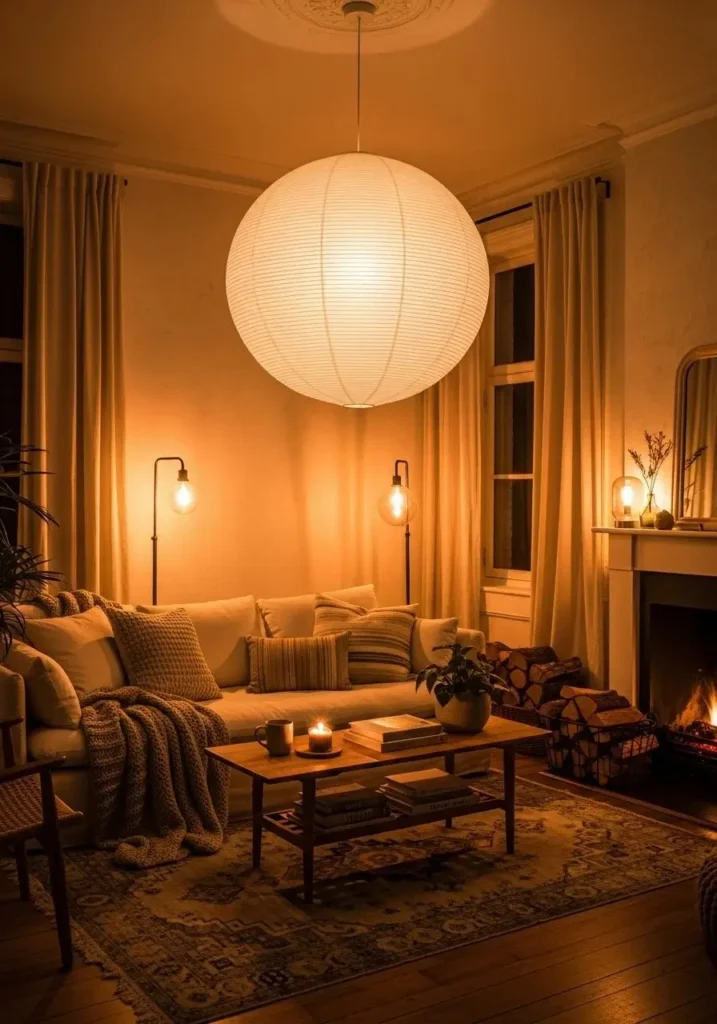
Soft, warm lighting is essential for creating that calm Japandi mood. Think paper lamps, soft-glow bulbs, and diffused light sources.
This works because harsh lighting can feel cold, while warm tones create a relaxing and inviting environment.
Tip: Use multiple light sources instead of one bright overhead light.
9. Open Space and Breathing Room
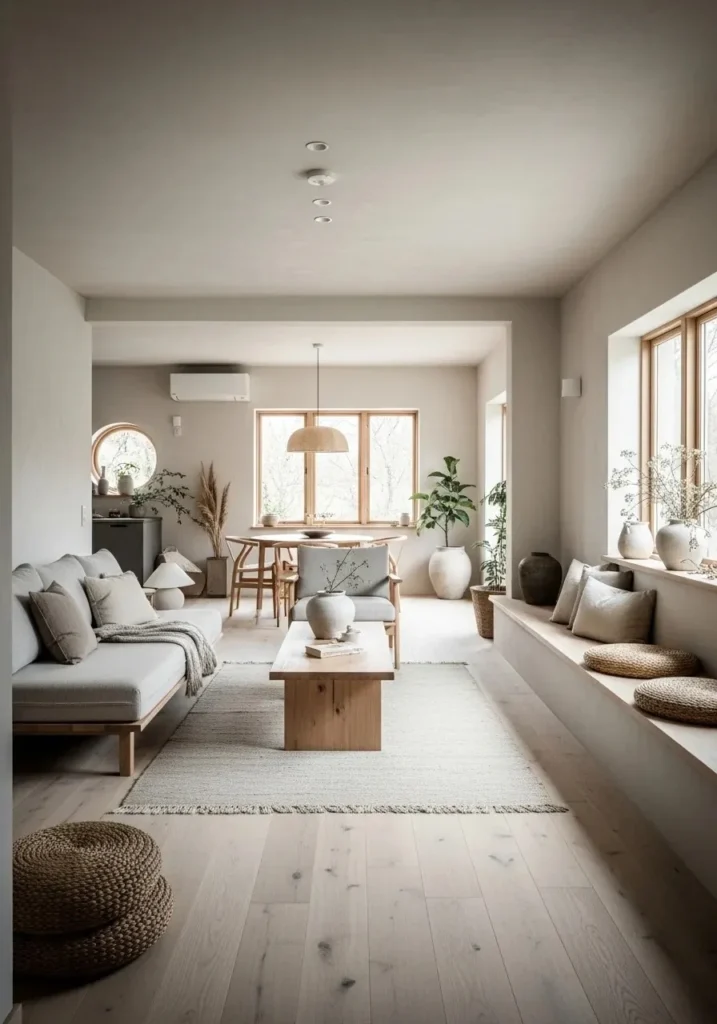
Japandi design embraces empty space as part of the aesthetic. Not every corner needs to be filled.
This works because open space allows the room to feel bigger and more peaceful. It gives each piece room to stand out.
Tip: Leave gaps between furniture instead of pushing everything together.
10. Functional Furniture with Hidden Storage
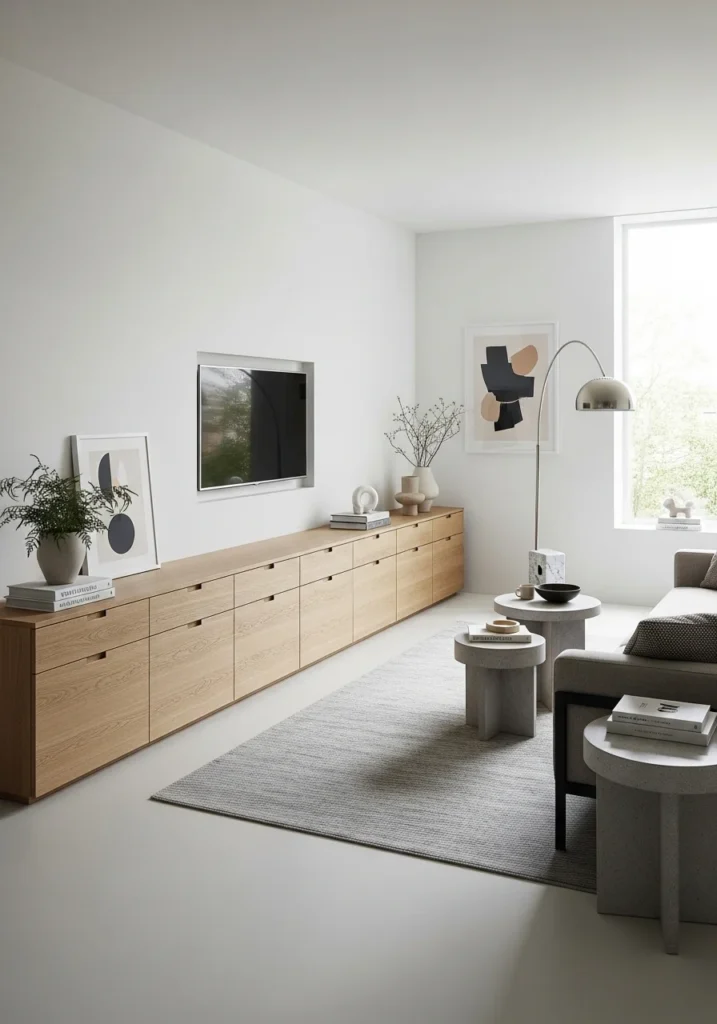
Storage is essential, but it should stay subtle and integrated. Choose furniture that hides clutter while maintaining a clean look.
This works because a clutter-free space feels calmer and more organized, which is the heart of Japandi style.
Tip: Use storage benches or cabinets with flat, handleless designs.
See More Amazing Ideas Also: 16 Apartment Living Room Ideas That Make Your Space Feel Bigger, Warmer & Truly Yours
11. Muted Accent Colors for Subtle Depth
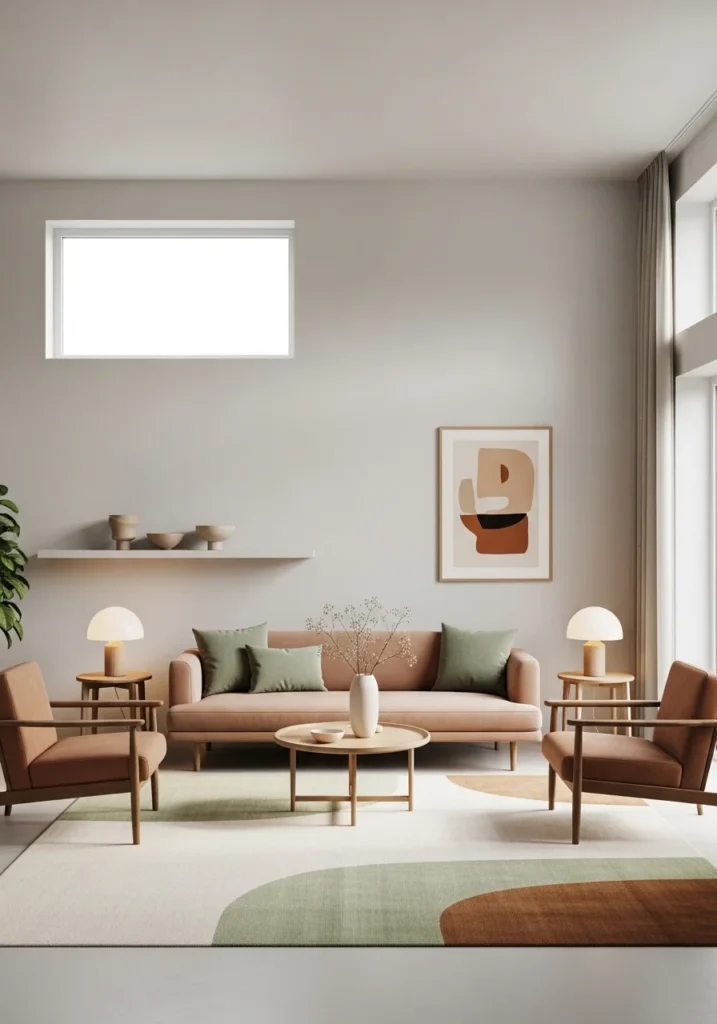
While Japandi spaces are mostly neutral, adding soft accent colors like dusty green, muted brown, or faded charcoal can bring quiet depth. These tones should feel natural and never overpower the room.
This works because subtle color variation prevents the space from feeling flat while still maintaining calmness. It adds interest without breaking the minimalist flow.
Tip: Use accent colors in cushions, throws, or a single decor piece to keep things balanced.
12. Japandi Living Room Ideas with Statement Lighting
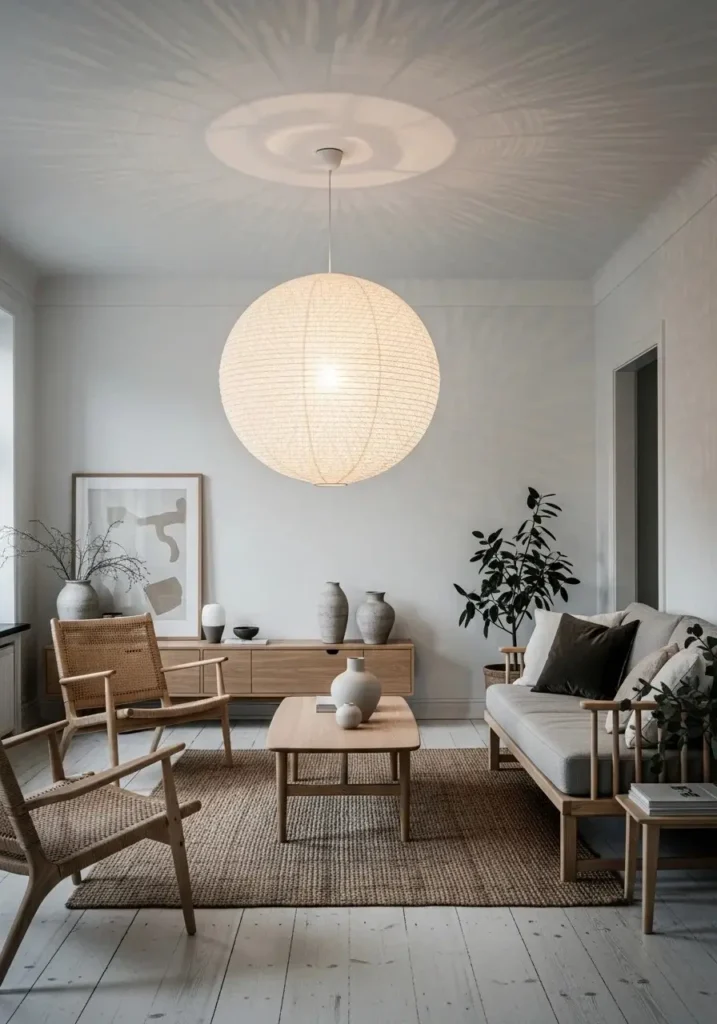
Statement lighting in Japandi design is simple yet artistic. Think paper lanterns, sculptural pendant lights, or soft fabric shades that diffuse light gently.
This works because lighting becomes both functional and decorative, adding character without cluttering the space. It enhances the calm mood while creating a focal point.
Tip: Choose lighting in natural materials like paper, wood, or linen for authenticity.
13. Earthy Ceramics and Handmade Decor
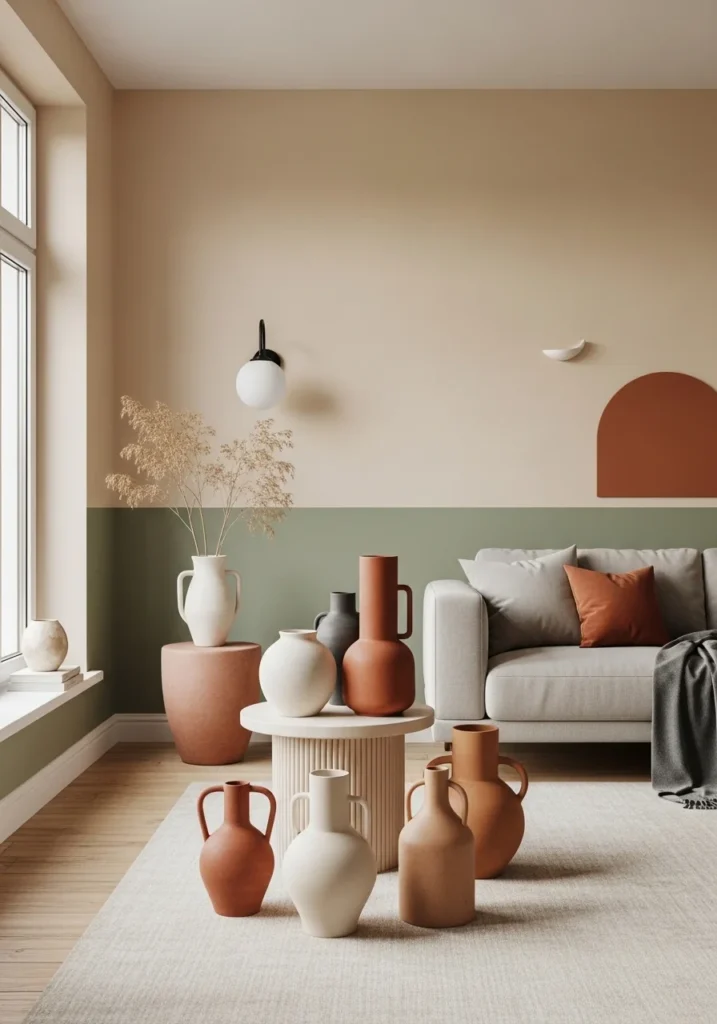
Handmade ceramics, vases, and pottery add an organic, imperfect beauty to your living room. These pieces often feature raw textures and natural tones.
This works because Japandi embraces imperfection, making the space feel more human and less staged. It brings warmth and subtle detail into a minimal setting.
Tip: Group a few ceramic pieces together instead of scattering them around.
14. Light Wood Flooring for an Airy Base
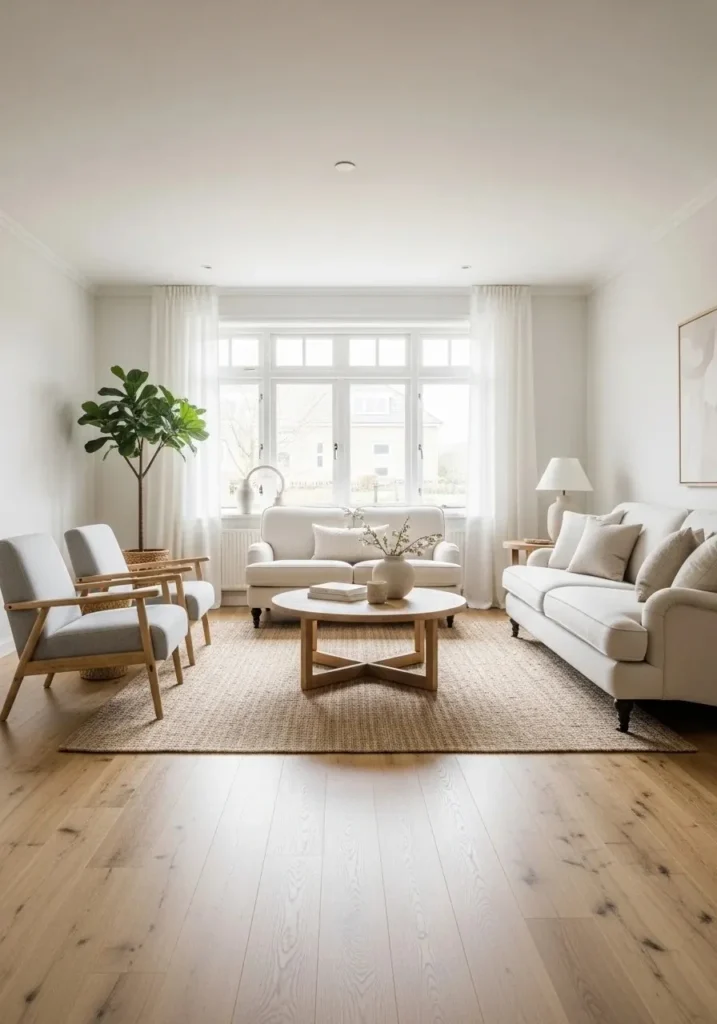
Light wood flooring creates a bright, open foundation that reflects natural light beautifully. It pairs perfectly with neutral furniture and soft textiles.
This works because it keeps the entire room feeling light and spacious while adding warmth through natural texture. It supports the minimalist aesthetic effortlessly.
Tip: Use simple rugs in neutral tones to define spaces without overwhelming the floor.
15. Minimal Wall Art with Soft Tones
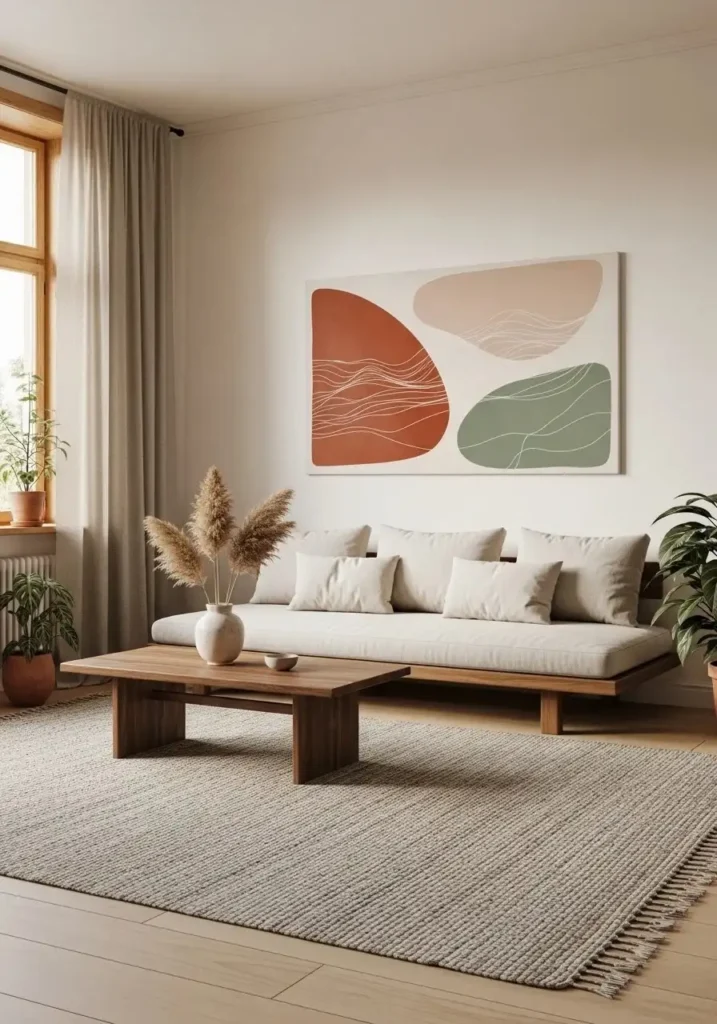
Wall art in Japandi style is simple, calming, and often inspired by nature or abstract forms. Think soft brush strokes, landscapes, or line art.
This works because minimal art adds personality without distracting from the overall serenity of the space. It complements rather than dominates.
Tip: Stick to one or two larger pieces instead of creating a busy gallery wall.
16. Low Wooden Coffee Tables for Simplicity
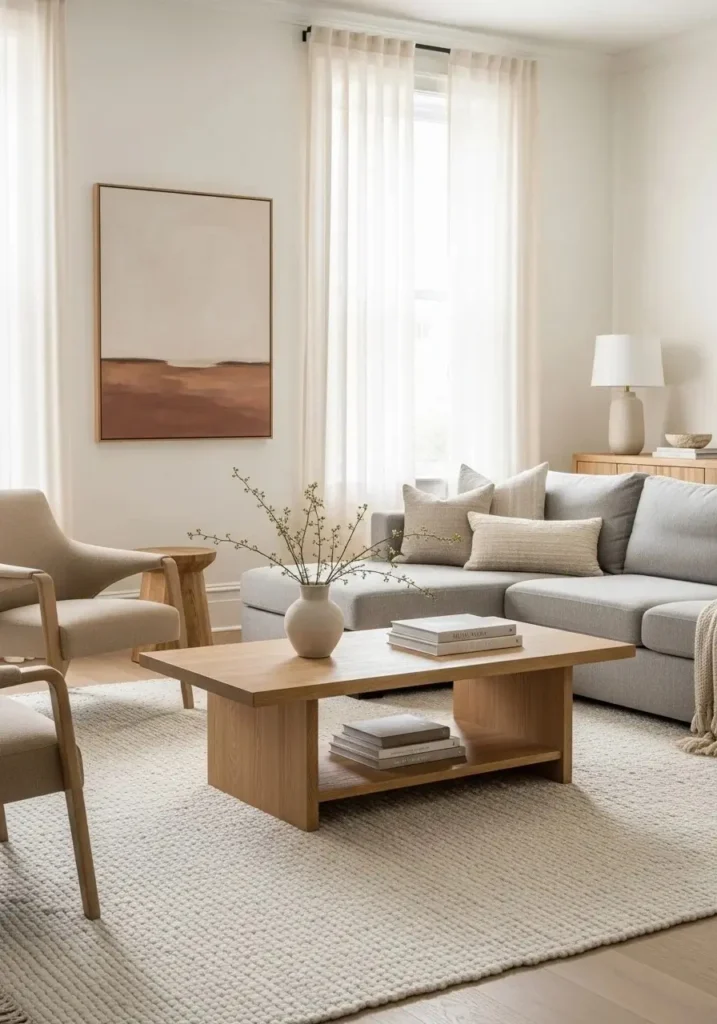
A low wooden coffee table with a clean design is a staple in Japandi living rooms. It keeps the space grounded and visually uncluttered.
This works because it maintains the low-profile aesthetic while adding natural warmth through wood texture. It feels functional yet calming.
Tip: Keep the tabletop mostly clear, adding only one or two intentional items.
See More Amazing Ideas Also: 15 Living Room Wall Shelf Ideas to Style Your Space with Personality
17. Linen Curtains for Soft Light Flow
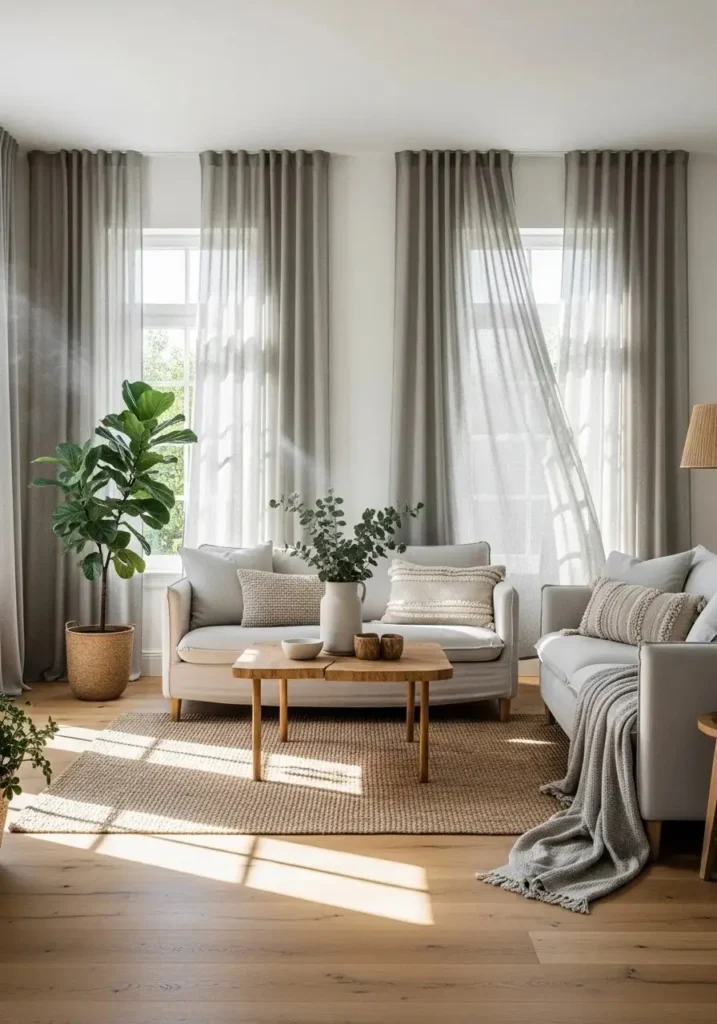
Linen curtains allow natural light to filter gently into the room while adding softness to the space. Their light, airy texture enhances the calm atmosphere.
This works because diffused light creates a peaceful environment, reducing harsh shadows and glare. It makes the room feel more relaxed and welcoming.
Tip: Choose neutral-colored curtains that blend seamlessly with your walls.
18. Balanced Contrast Between Light and Dark
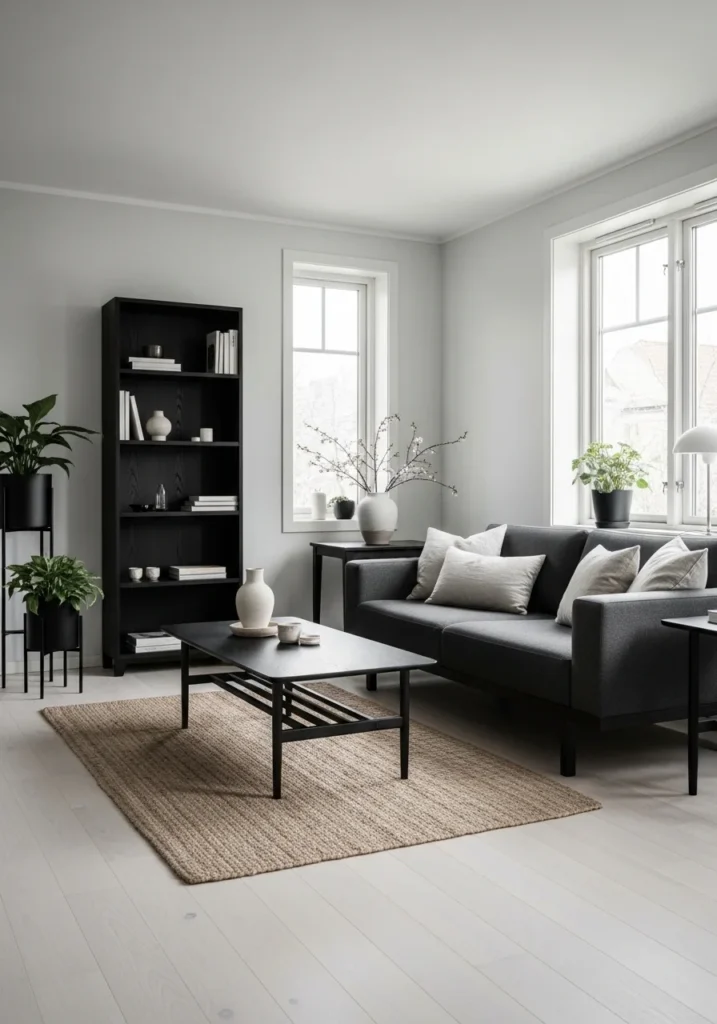
Japandi design often uses contrast—like light walls paired with darker furniture—to create balance and visual interest. This contrast should feel soft, not sharp.
This works because it adds depth without disrupting the calm, minimal feel of the room. It keeps the space from looking too flat or one-dimensional.
Tip: Use contrast in small doses to maintain harmony.
19. Decluttered Surfaces for Visual Peace
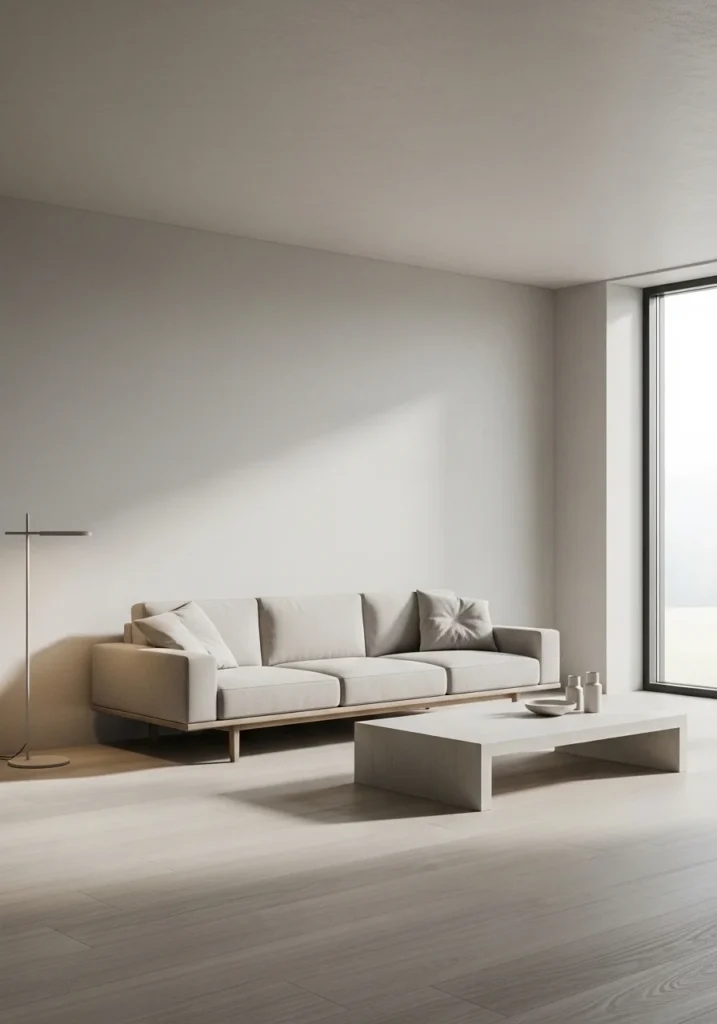
Keeping surfaces clean and uncluttered is key to achieving a Japandi look. Limit items on tables, shelves, and consoles to essentials only.
This works because a clutter-free space reduces stress and creates a sense of order. It allows the room to breathe and feel more intentional.
Tip: Do a quick daily reset to keep surfaces neat and minimal.
20. Cozy Neutral Rugs for Grounding the Space
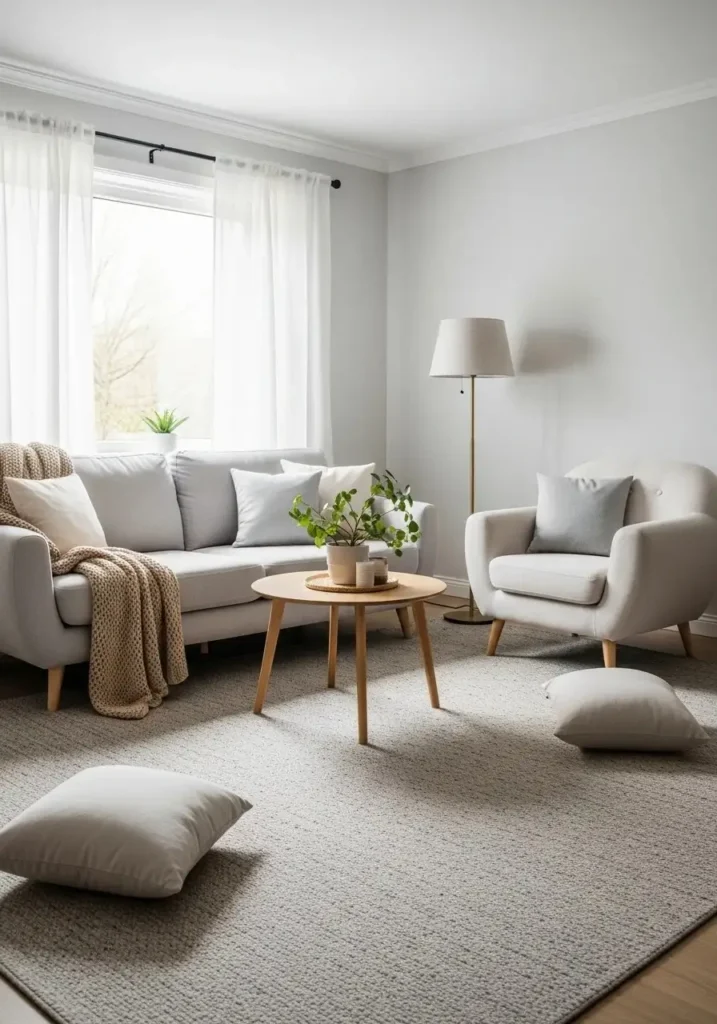
A soft, neutral rug adds warmth and defines the living area without overwhelming the design. Look for simple patterns or natural fibers.
This works because rugs anchor the furniture and add texture while maintaining the calm aesthetic. They make the space feel complete and comfortable.
Tip: Choose a slightly larger rug to connect all main furniture pieces together.
21. Intentional Empty Corners for Balance
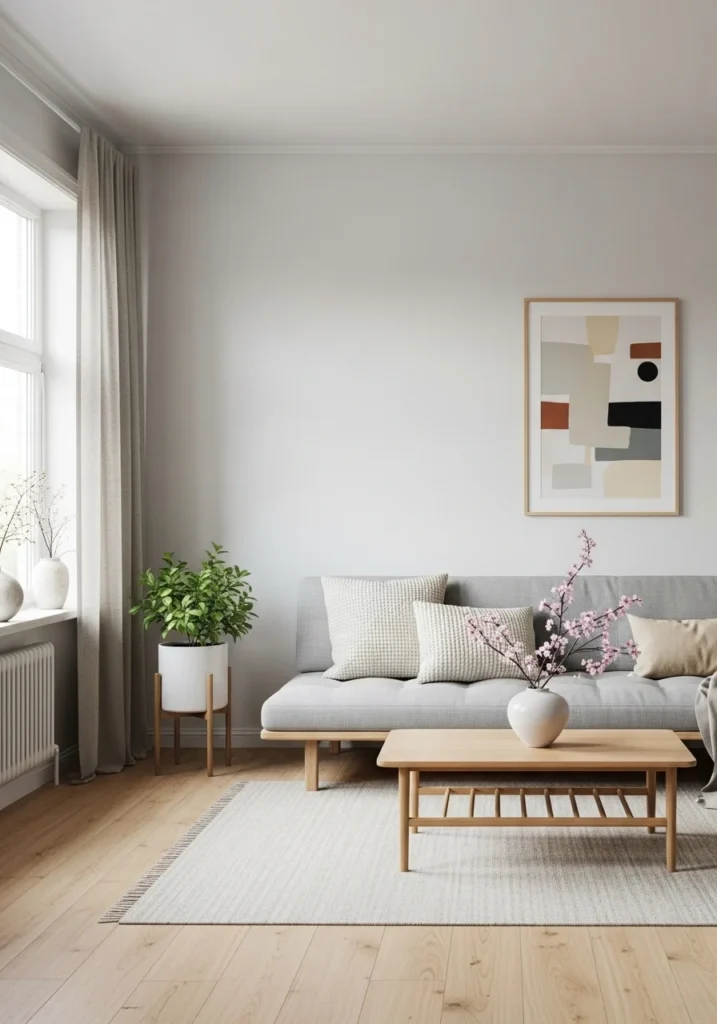
Leaving some corners empty may feel unusual, but it’s an important part of Japandi design. Not every space needs to be filled with decor.
This works because empty space creates balance and allows your eyes to rest. It makes the room feel more open, thoughtful, and peaceful.
Tip: If a corner feels too empty, add just one simple piece like a plant or floor lamp.
🌿 Conclusion
Creating a Japandi living room isn’t about following strict rules—it’s about designing a space that feels calm, balanced, and truly yours. By combining clean lines, natural materials, and thoughtful simplicity, you can turn even the busiest room into a peaceful retreat. These Japandi living room ideas show that beauty doesn’t come from adding more, but from choosing better. Start small, clear the clutter, and focus on what really matters. With time, your living room will become more than just a space—it will feel like a place where you can truly relax, breathe, and feel at home every single day.