15 Office Desk Setup Ideas at Work That Make Monday Feel Less Brutal
Practical, aesthetic, HR-friendly ways to upgrade your workplace desk this week
Sunday-night dread has a specific texture. You know the desk you’re walking back to: the grey laminate top, the tangle of black cables, the dead pen from October, the lukewarm overhead light that makes everyone look like they need a nap. Most workplace advice tells you to fix this with mindset hacks or productivity apps. Honestly, the faster fix is physical.
Your environment shapes your energy more than your to-do list does. When the desk you sit at for forty hours a week feels intentional instead of accidental, Monday morning stops feeling like a punishment. The good news: you don’t need a designer, a bigger budget, or permission from facilities to transform it. Every idea below works in a standard cubicle or shared office, costs under $40 in most cases, and won’t trigger an HR conversation.
Below are 15 office desk setup ideas at work that actually move the needle, each with a description of what to do, why it works, and a realistic image cue plus alt text so you can visualize the result before you buy anything. These are field-tested for in-office environments, not Pinterest fantasy home offices with floor-to-ceiling windows.
Quick context before we dive in
- Total cost to do all 15: roughly $150-$250 depending on choices, but you can pick three and still feel the change.
- Time to implement: One weekend of online ordering, one Monday morning of setup.
- Aesthetic direction: Warm neutrals (oat, sage, brass, walnut) read calm without screaming personality.
- HR risk level: Zero. Nothing here is loud, scented, or political.
1. Start With a Real Desk Mat (Not a Mouse Pad)
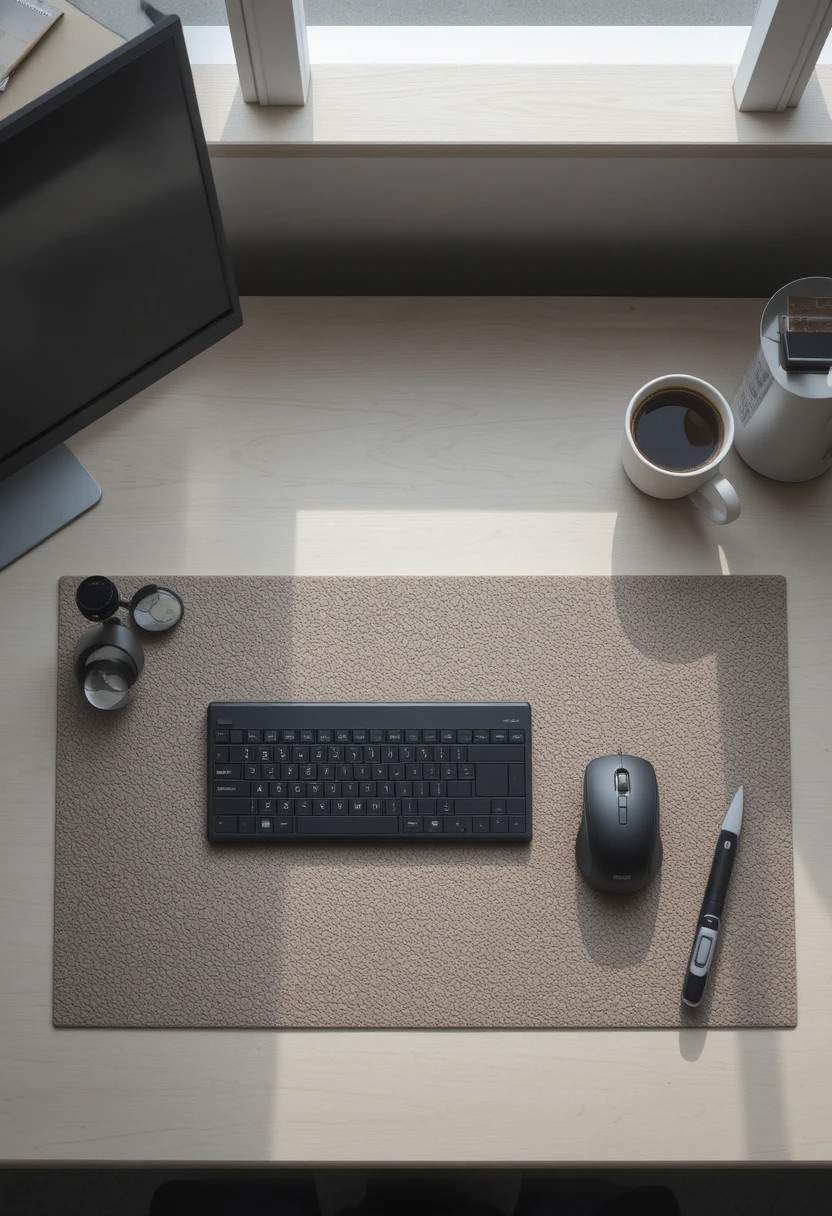
A full-size desk mat does more than protect your surface; it visually anchors your entire setup. The moment you cover that grey, scratched-up desktop with a felt, leather, or PU mat in a warm neutral, your station looks 60% more put-together with zero effort. Choose taupe, dusty olive, or cream over black; dark mats trap dust and make the space feel heavy. Look for a 31×15 inch size so your keyboard, mouse, and a coffee cup all live on the same soft island. This is the single highest ROI upgrade because it improves both aesthetics and wrist comfort during long typing stretches.
2. Add a Small Plant That Actually Survives Fluorescent Light
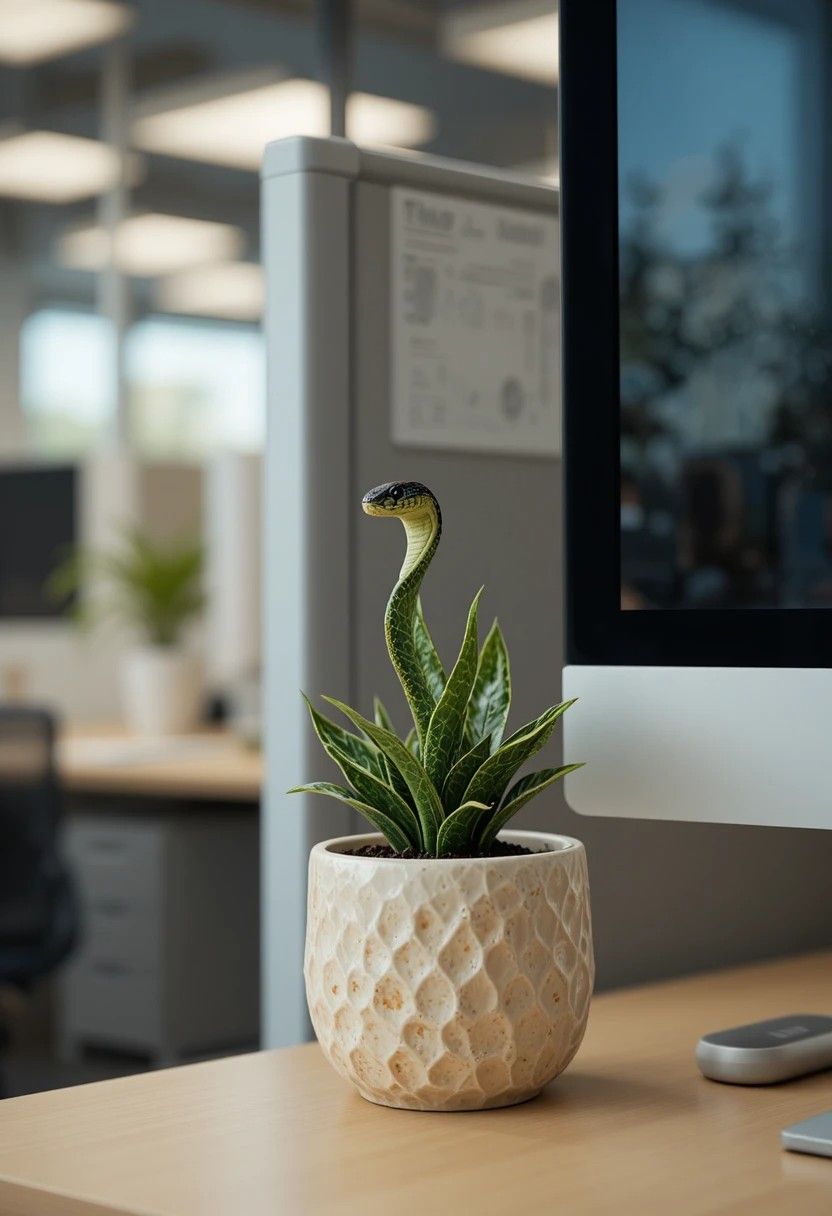
Skip the fiddle leaf fig fantasy. In a real office with overhead fluorescents and a weekend of nobody watering, you need a snake plant, ZZ plant, or pothos. These three will tolerate two missed waterings and the worst lighting your building can offer. Put it in a 4-6 inch ceramic pot, not the plastic nursery pot, and place it at the back-left corner of your monitor. Green in your peripheral vision has been linked in workplace studies to lower self-reported stress and higher perceived job satisfaction. One plant changes the energy of the entire cubicle.
3. Use a Monitor Riser to Free Up Hidden Real Estate
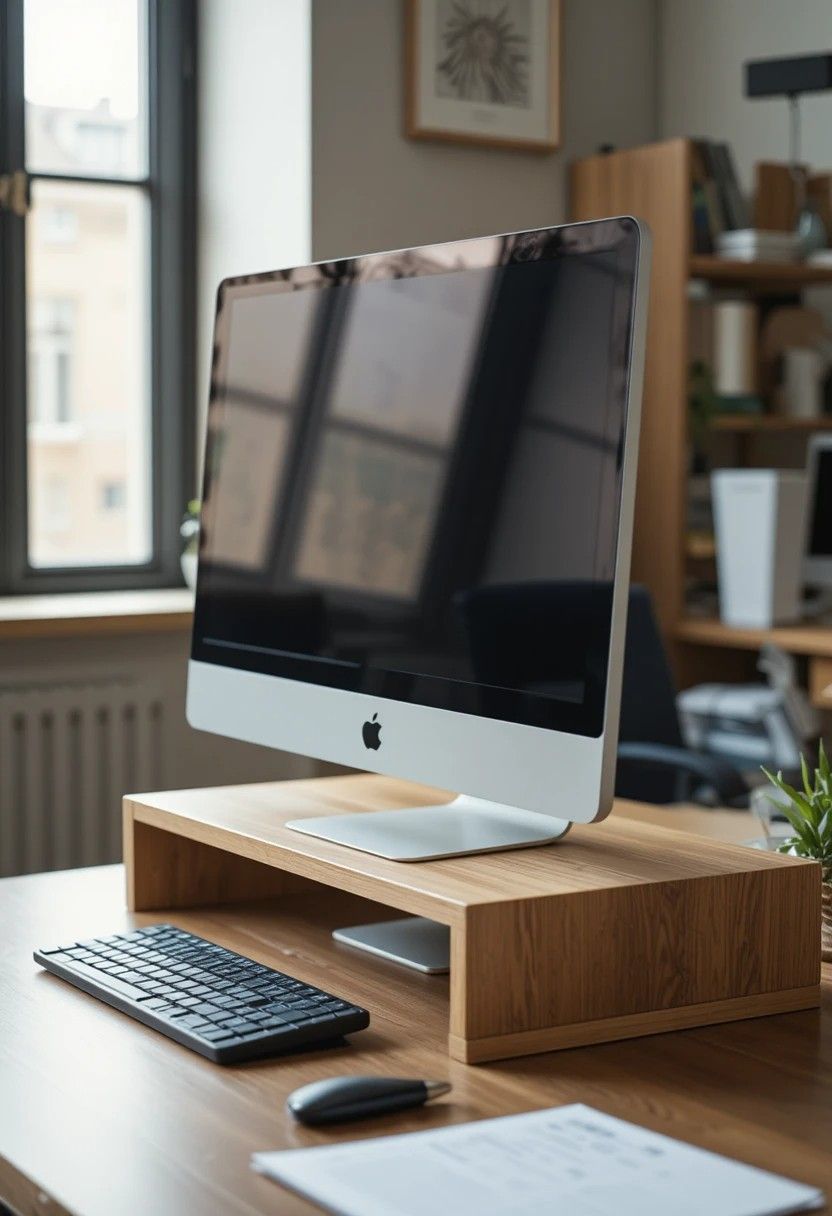
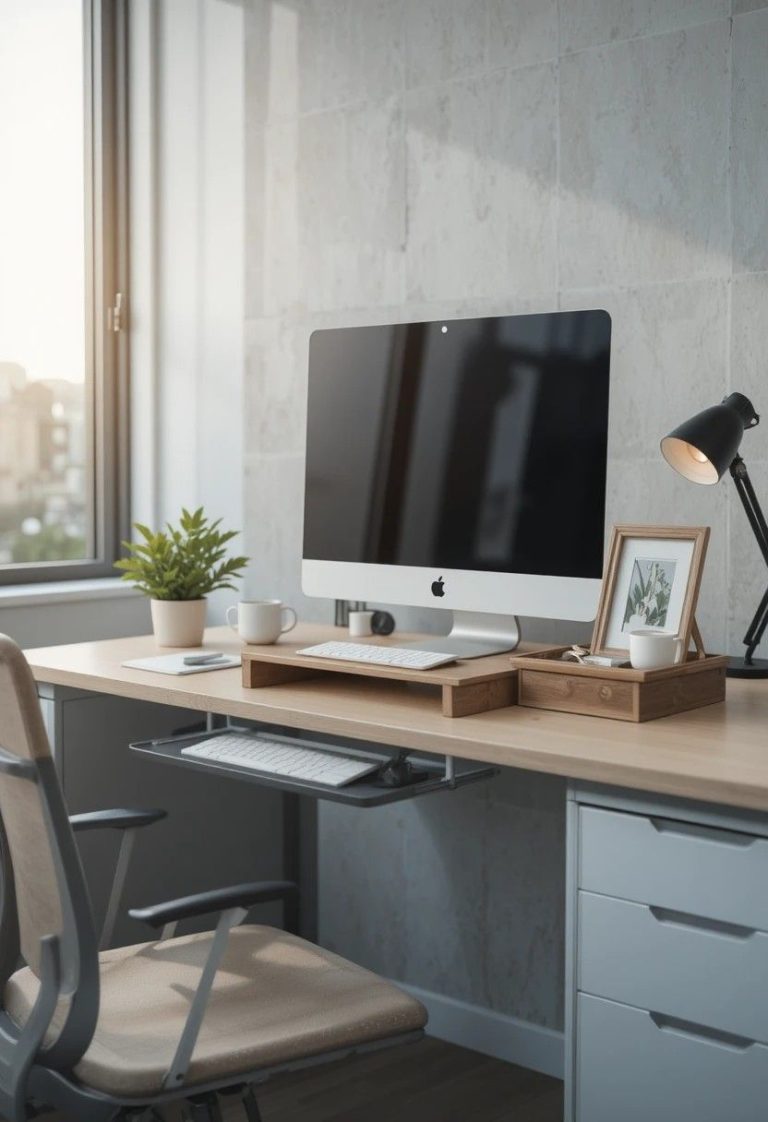
A wooden or matte metal monitor riser does two things at once: it brings your screen up to eye level so your neck stops aching by 3 PM, and it creates a sneaky drawer of space underneath for your keyboard, sticky notes, or a slim notebook. Choose a riser with a single shelf and a warm wood tone if your office is on the corporate-grey end, or a clean white riser if your space already leans bright. The space underneath becomes a parking spot for your keyboard when you need the full desk for paperwork.
4. Bring One Soft Textile Into the Hard Office Environment
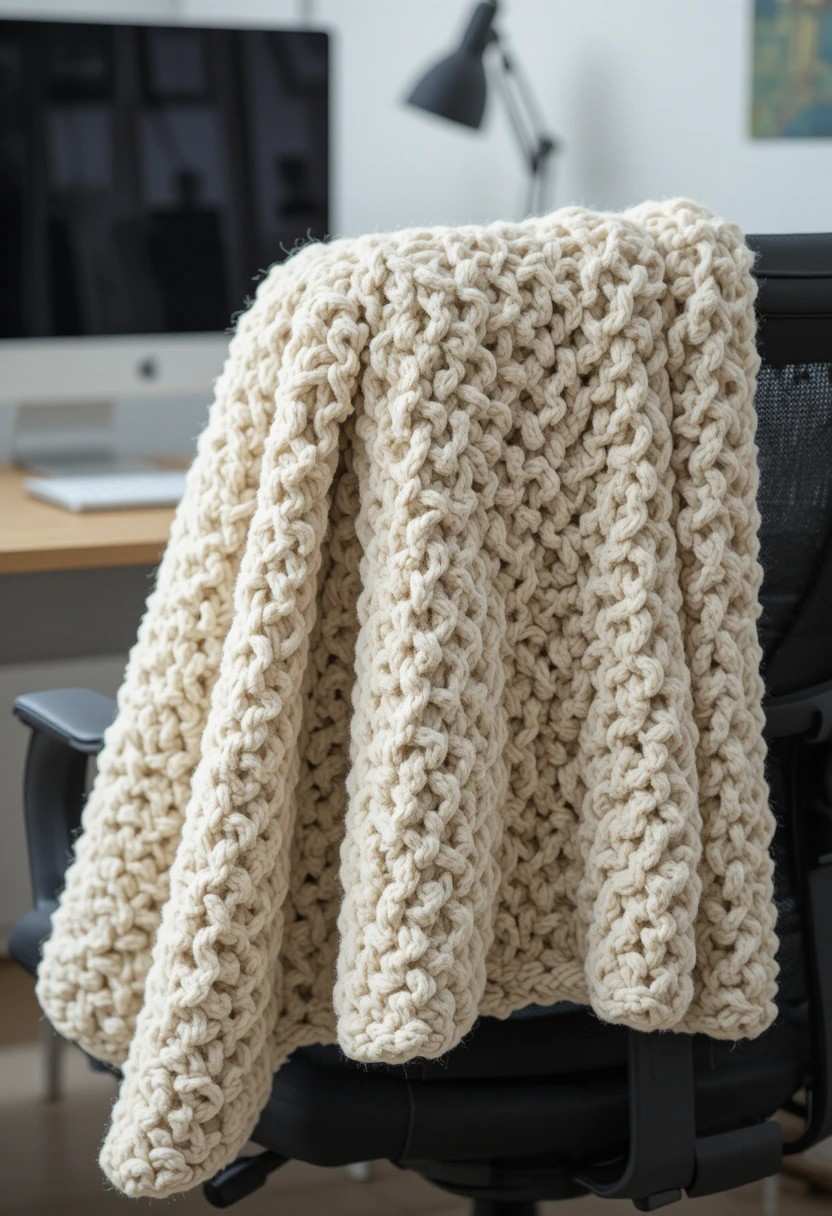
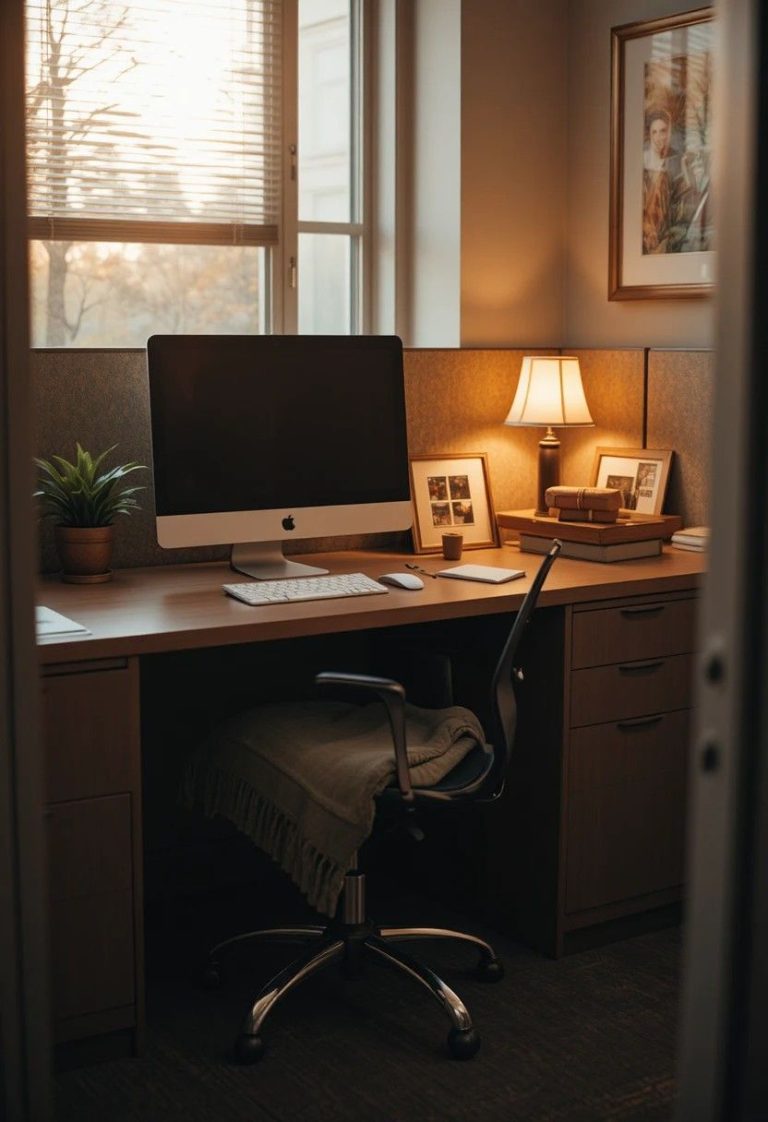
Offices are 95% hard surfaces: glass, plastic, laminate, metal. Adding one soft element instantly humanizes the space. The easiest win is a small knit throw folded over the back of your chair, or a small woven cushion for your lower back. In cooler tones like oat, sage, or rust, this single textile signals ‘a person sits here’ instead of ‘this is corporate property.’ Bonus: the throw doubles as a lunchtime nap blanket for the truly committed.
5. Install a Small Desk Lamp to Beat Overhead Fluorescents
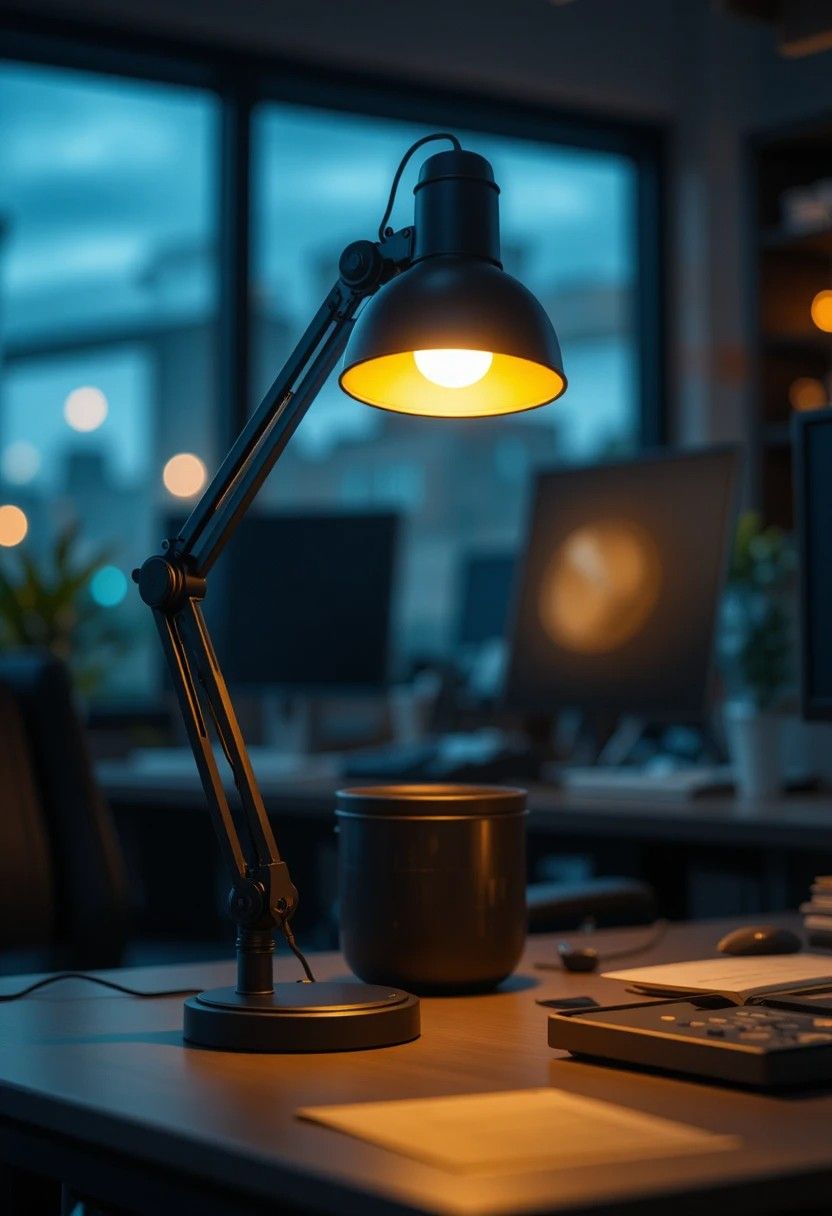
Overhead office lighting is flat, cool, and slightly soul-crushing. A small warm-toned desk lamp at 2700K-3000K creates a pool of softer light right at your work surface that your eyes actually want to be in. Choose a matte black, cream, or brushed brass lamp with an adjustable arm so you can angle it toward your keyboard for evening work. This is especially powerful for cubicle workers; the second your warm lamp clicks on, your area visually separates from the rest of the floor and starts to feel like yours.
6. Create a Personal Inspiration Spot With One Framed Print
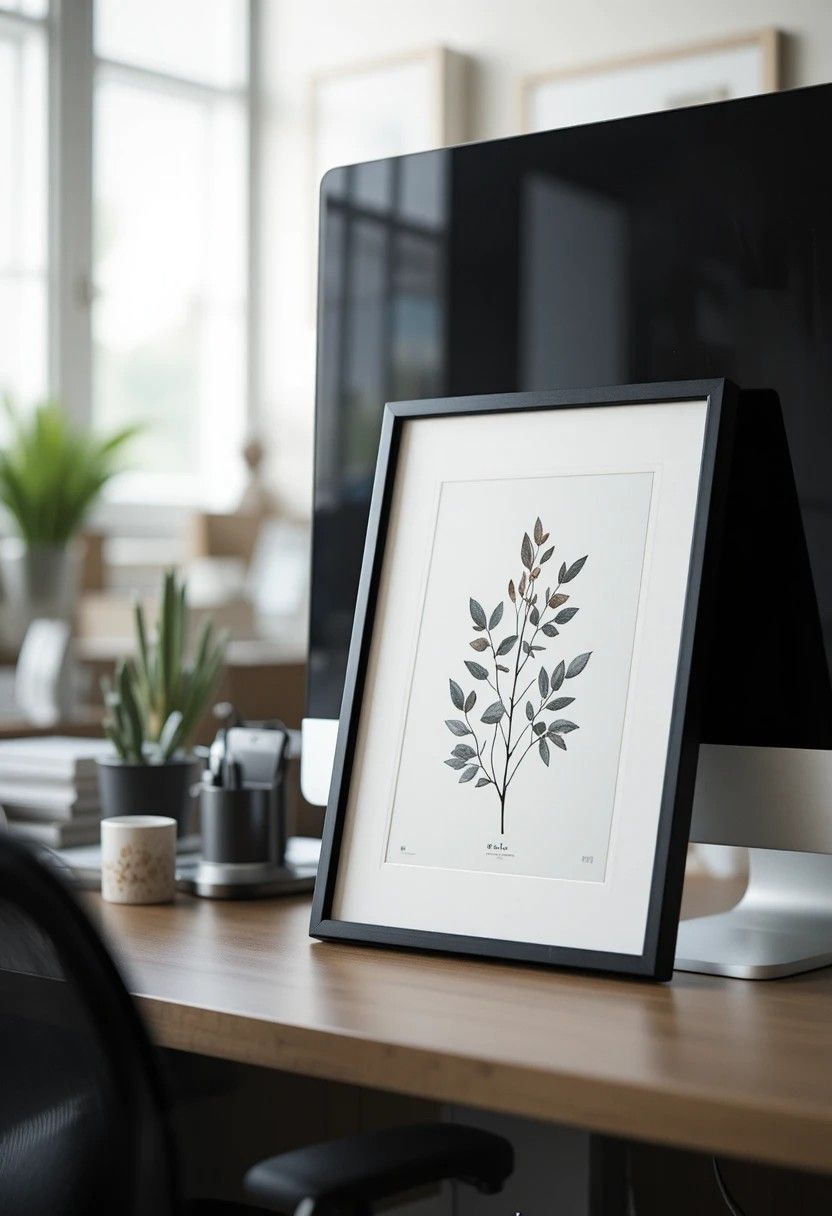
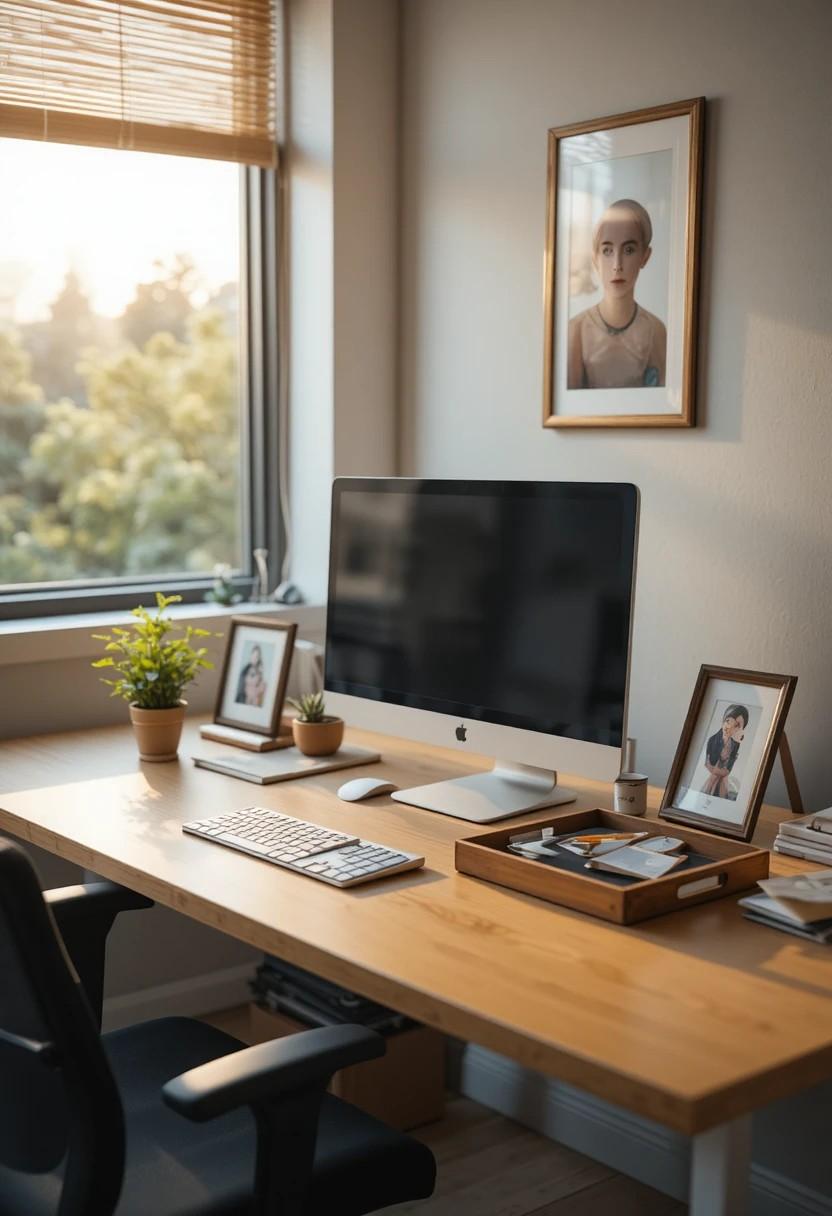
Resist the urge to plaster your cubicle wall with twelve printouts. One 5×7 framed print, leaned against your monitor or pinned to your divider, does more for your mood than a collage ever could. The frame is what makes it look intentional instead of dorm-room. Choose something that doesn’t scream a personal opinion at coworkers: a botanical print, a minimal line drawing, a museum postcard, a moody landscape. This becomes the anchor your eye returns to during stressful moments.
7. Use a Drawer Organizer to End the Pen-Apocalypse
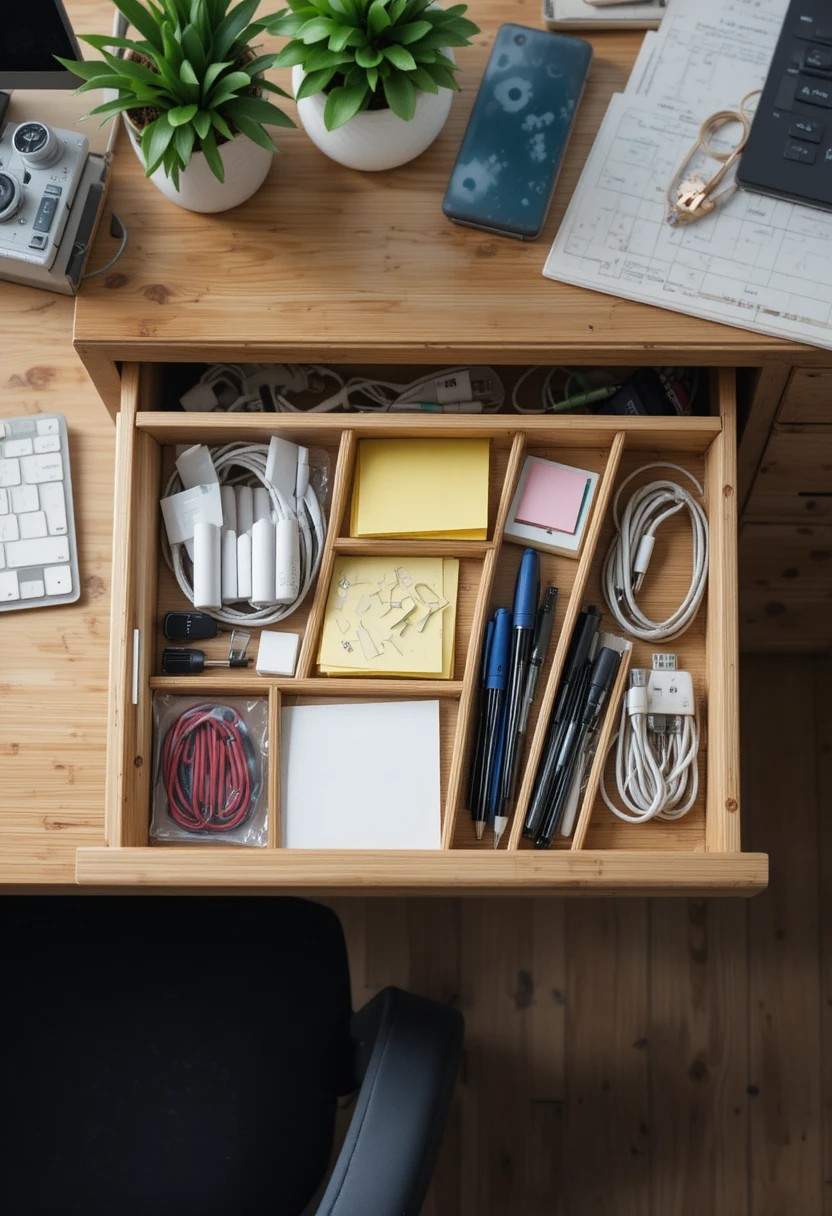
Open any office worker’s top desk drawer and you’ll find a graveyard: 14 dried-out pens, 3 unused USB-C cables, a packet of soy sauce, a button that fell off something in 2022. A simple bamboo or felt drawer organizer with 4-6 compartments will reset this in 20 minutes. Designate sections for pens, sticky notes, paper clips, cables, and a ‘random’ bin. The hidden benefit: when your drawer is organized, you stop letting clutter creep onto the desktop because the drawer can finally absorb it.
8. Add a Stoneware Mug Instead of the Disposable Cup

The disposable cup is the single biggest ‘this person is just passing through’ signal at any desk. A real stoneware or matte ceramic mug, ideally in a muted color like sage, terracotta, oat, or charcoal, instantly upgrades the visual story of your workspace. Bonus: it holds heat longer, holds more liquid, and gives you an excuse to walk to the kitchen and reset every couple hours. Keep it on a small coaster to avoid water rings on your desk mat.
9. Mount a Small Pegboard or Grid Panel for Vertical Storage
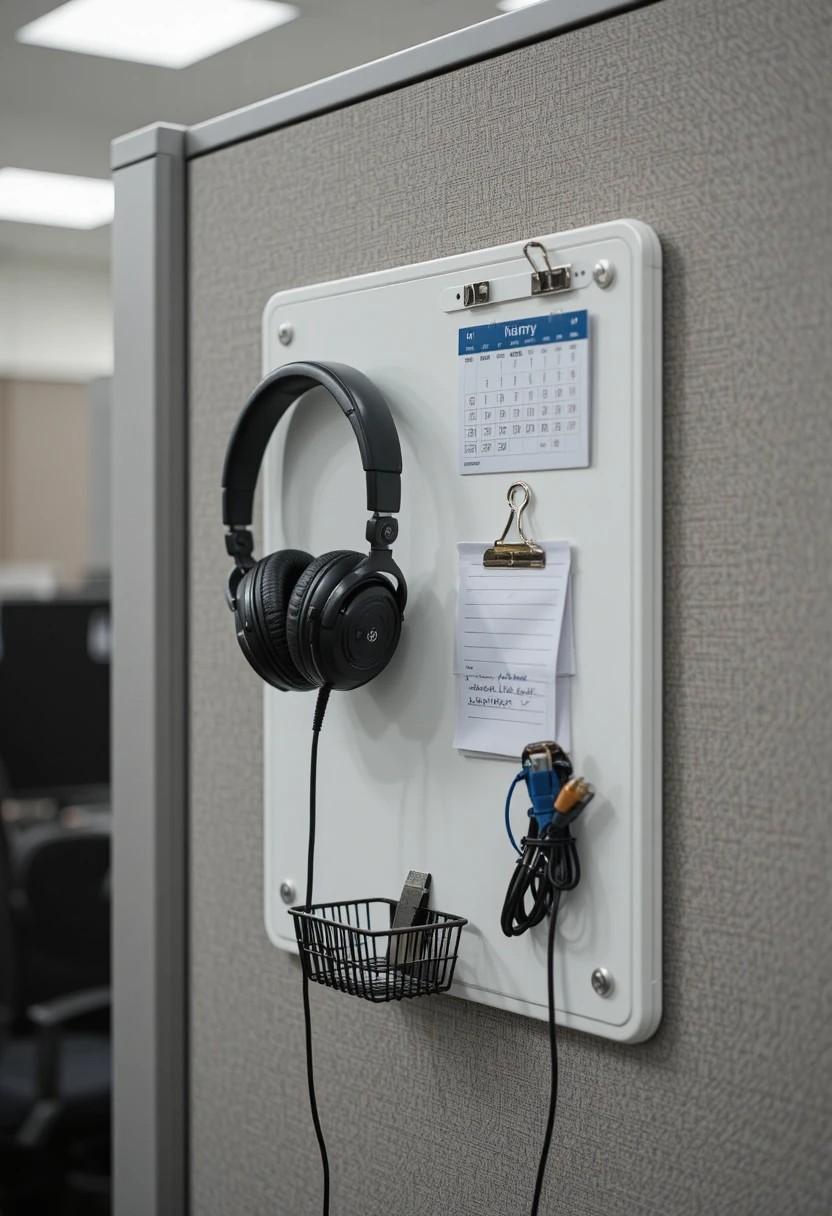
When desk space is at a premium, the answer is usually ‘go up.’ A small pegboard, mesh grid, or even a magnetic strip on your cubicle wall or beside your monitor turns vertical inches into prime storage. Hang headphones, a small mirror, a desk calendar, a clip-on note holder, a tiny basket for cables. Choose a pegboard in white, black, or natural wood depending on your existing palette. This single addition usually clears 40% of your desktop, instantly.
10. Use a Cable Tray Under the Desk to Hide the Mess
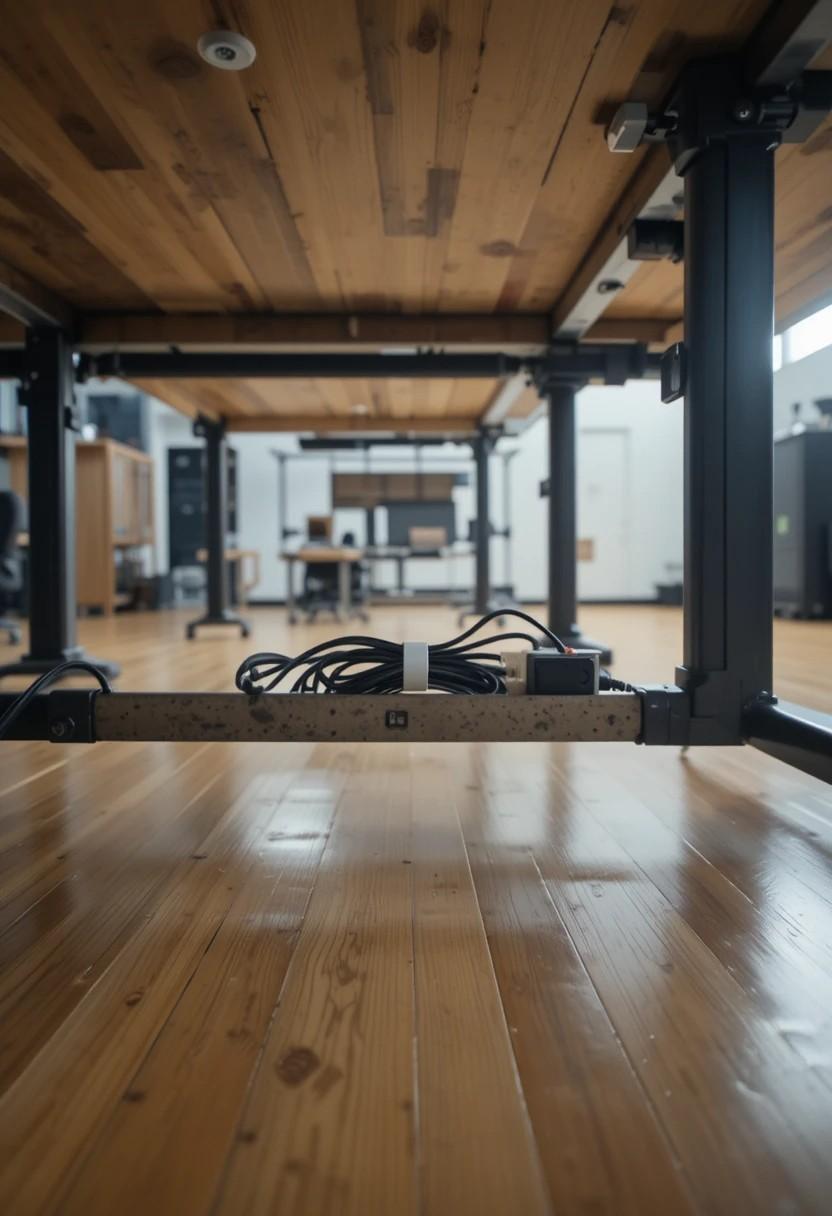
Nothing kills a clean desk faster than a tangle of black power cords snaking down the back. A simple under-desk cable tray, $20 on Amazon, holds your power strip and excess cable slack out of sight. Combine with velcro cable ties to bundle the cords that do need to come up to the desk surface, and route them through a single grommet hole or down one back corner. Your desk looks 90% cleaner in 30 minutes. Coworkers will think you got a new desk.
11. Keep a Single Notebook and One Good Pen Within Reach

Phone reminders are great until your battery dies during a meeting. A single A5 notebook in a cloth or vegan leather cover, paired with one gel pen you actually like writing with, becomes your second brain. Choose a notebook with a built-in elastic closure and a ribbon bookmark; it makes flipping to today’s notes effortless. The visual of one nice notebook on the desk reads as ‘this person thinks’ rather than the chaos of 6 sticky notes peeling off the monitor.
12. Add a Small Mirror for Practical and Lighting Reasons
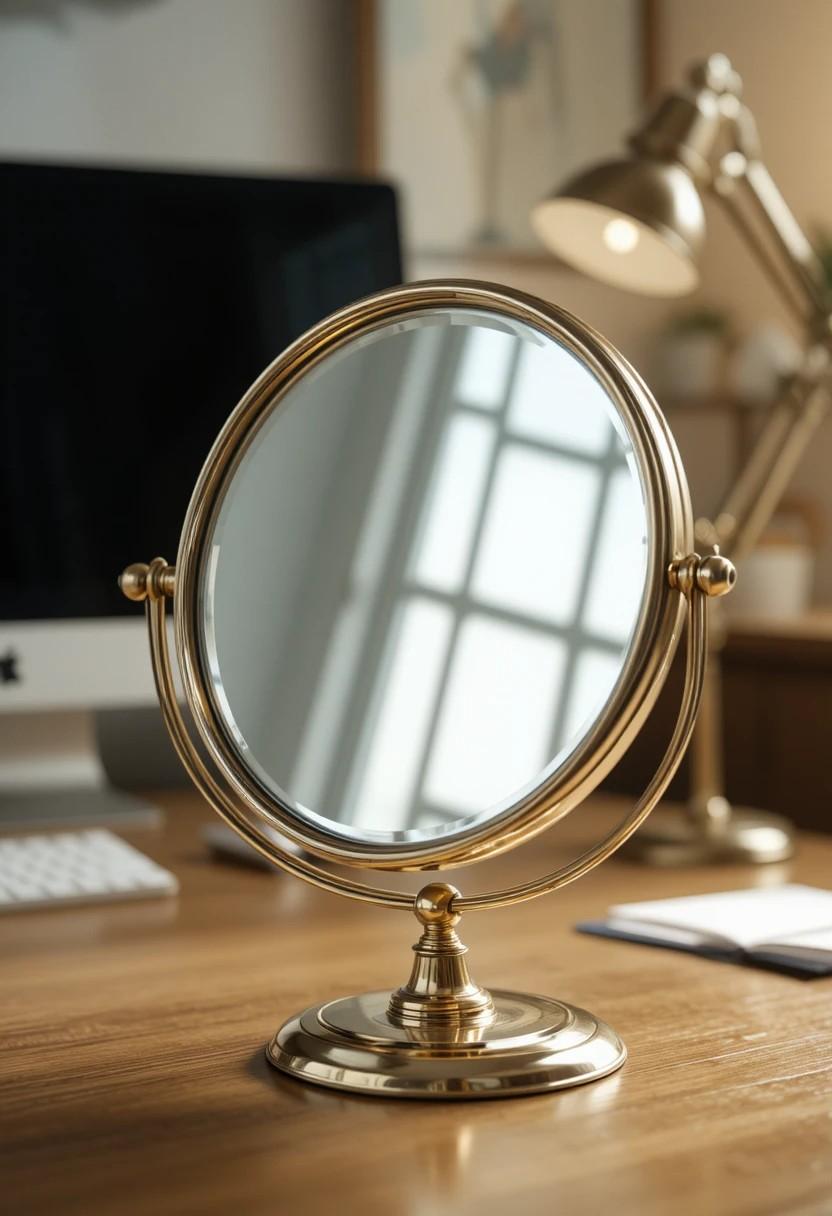
A small 4-6 inch desk mirror or one clipped to your monitor serves two surprisingly useful functions. First, the practical: a quick check before video calls or walking into a meeting saves you from the post-call horror of realizing you had spinach in your teeth for an hour. Second, mirrors reflect light, and a small mirror placed near your desk lamp will visually brighten a dark corner cubicle. Choose a round mirror in a brass, black, or wood frame to match your other accents.
13. Use a Tray to Corral the Five Things You Touch Daily
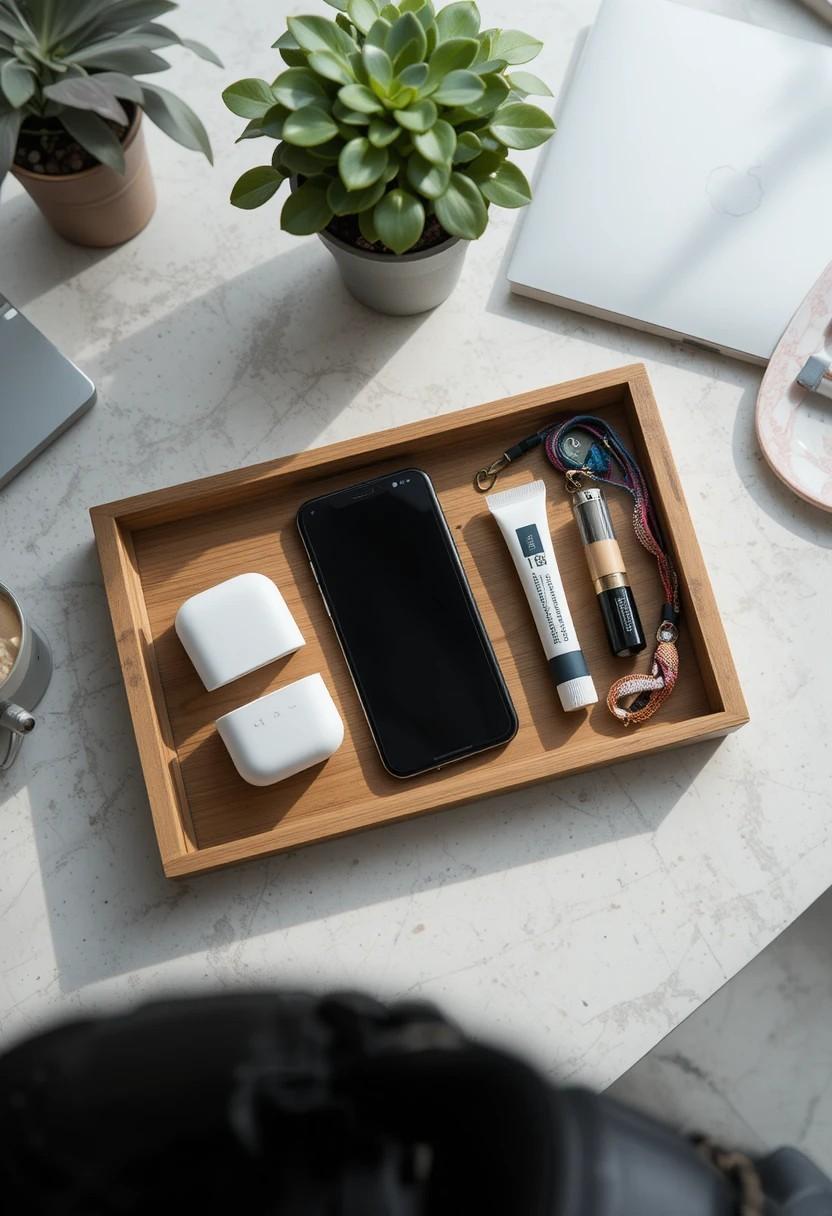
Trays are the easiest way to make a desk look styled instead of cluttered. A small rectangular tray, marble, wood, or matte ceramic, holds the five things you reach for hourly: phone, AirPods case, lip balm, hand cream, ID badge. The boundary of the tray does psychological work, signaling ‘these things belong together’ instead of letting them scatter across the desk surface. When you need a clear workspace, you can lift the entire tray and move it.
14. Use a Visible Analog Clock or Small Calendar

Your computer clock is fine for telling time but useless for time awareness. A small analog desk clock or a tear-off month-view calendar in your peripheral vision keeps you grounded in the actual passage of the day. This sounds small, but workers who can see time passively report less time-blindness and fewer ‘wait, it’s 4 PM already?’ moments. Choose a clean-faced clock in brass, white, or wood, around 4 inches across, small enough not to dominate but visible enough to glance at.
15. End the Day With a Five-Minute Reset Ritual
The most styled setup in the world falls apart by Wednesday if you don’t reset it. The trick is to make the last five minutes of every workday a non-negotiable closeout: wipe the desk with a microfiber cloth, return pens to the holder, tuck the keyboard under the riser, water the plant if it’s Monday or Thursday, push the chair in. Walking in Tuesday morning to a clean desk is genuinely the single biggest mood lifter on this list. Setup is a one-time investment; the daily reset is what protects it.
Putting It All Together
You don’t need to implement all 15 ideas in one weekend. The compounding effect is what matters. Start with the three biggest visual disruptors at your current desk: usually that’s the cable mess, the lack of any softness, and the harsh overhead light. Add a desk mat, a small plant, and a warm desk lamp. Those three alone will transform the mood of your workspace within a single Monday morning.
Layer in the smaller additions over the following weeks: a stoneware mug to replace the disposable cup, a drawer organizer to reset the chaos, a single framed print to add a personal anchor. By the end of a month, your desk will look genuinely styled, your neck and eyes will hurt less, and Sunday-night dread will lose its grip.
The real point isn’t aesthetics, it’s signal. A styled, intentional desk tells the part of your brain that resists going to work, ‘This is your space and it was made for you.’ That single shift in framing is what turns a brutal Monday into a tolerable one. Build the space you actually want to walk into.
Frequently Asked Questions
Will my office allow decorations at my desk?
Most workplaces allow personal items as long as they don’t block walkways, aren’t politically loaded, aren’t scented (no candles, no diffusers in shared spaces), and aren’t oversized. Stick to small, neutral, professional-looking items and you’ll be fine. When in doubt, ask a colleague who’s been there longer what the unwritten rules are.
How much should I budget to set up my desk at work?
You can do a noticeable upgrade for $50: a desk mat, one small plant, and a stoneware mug. A full transformation across all 15 ideas typically runs $150-$250 if you shop sensibly on Amazon, Target, or IKEA. Skip designer brands; the aesthetic is achievable at any price point.
What if I share a desk or hot-desk at my office?
Focus on portable items: a small fabric pencil case organizer, a folding desk mat, a single framed photo that fits in a tote bag, and a stoneware mug you take home each night. Skip the plants, lamps, and mounted pegboards in shared-desk situations.
Which idea should I start with if I can only do one?
The desk mat. It covers the worst part of the desk (the cheap laminate surface), instantly upgrades how everything else looks on top of it, and improves wrist comfort. It’s the single highest-impact item on the list.