
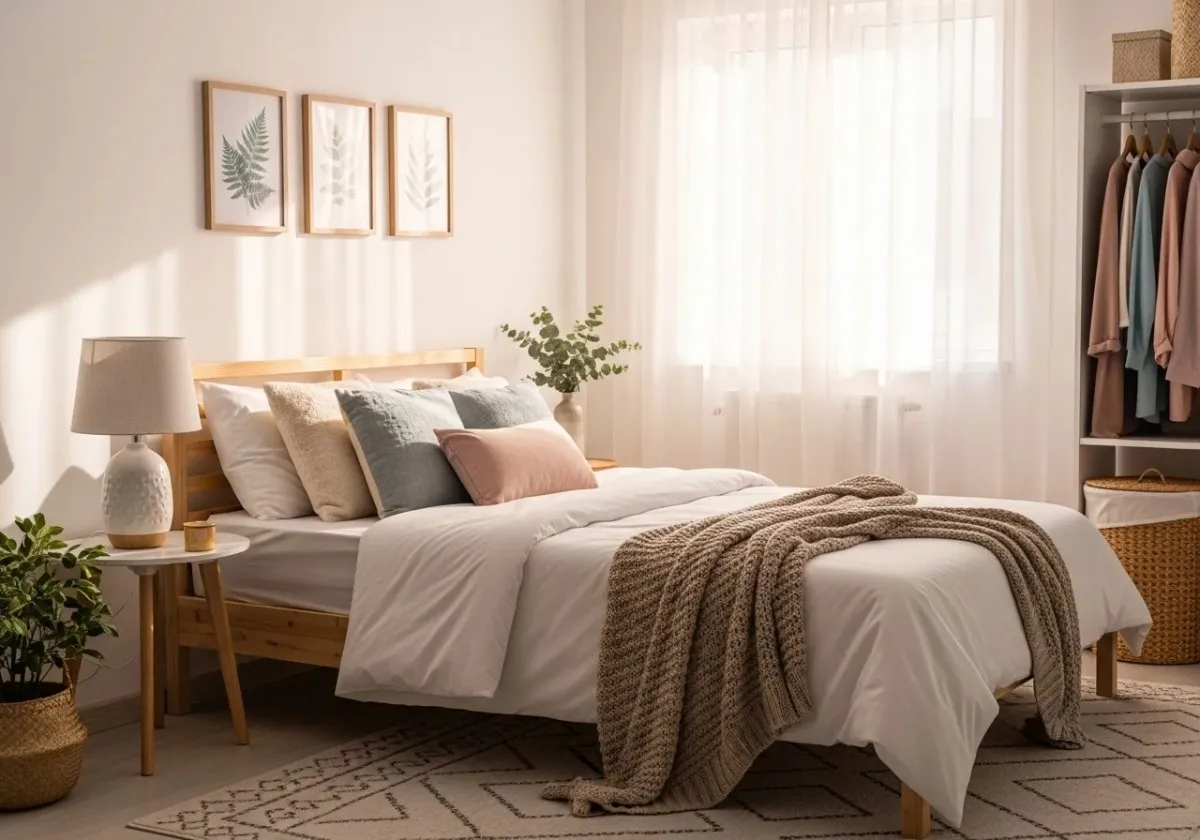
20 Small Bedroom Ideas That Make Tiny Spaces Feel Big, Cozy & Beautiful
Do you ever feel like your bedroom is just too small to feel comfortable, stylish, or organized? You’re not alone. Many people struggle with tight spaces that feel cluttered no matter how much they clean. The good news is, with the right design approach, even the tiniest room can feel open, cozy, and Pinterest-worthy. In this guide, you’ll discover practical and beautiful small bedroom ideas that help you maximize space, improve flow, and create a calming retreat you’ll actually love coming home to.
1. Maximize Vertical Space: Genius Storage Solutions for Small Bedrooms
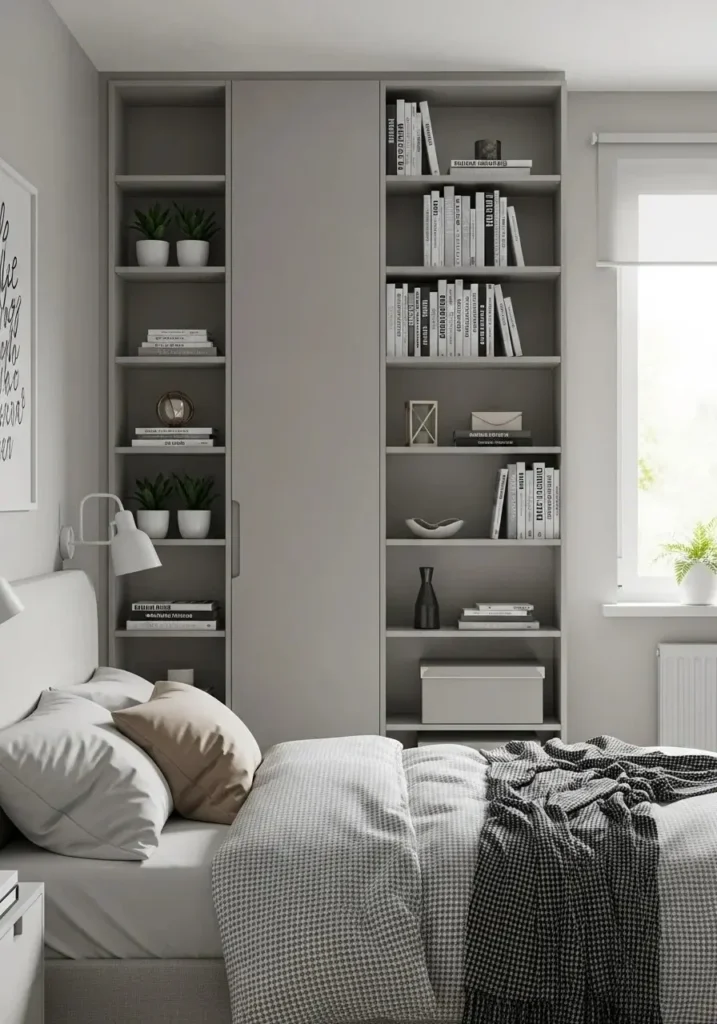
When I first moved into my own tiny bedroom, the floor disappeared under boxes within a week, and I realised the only direction left was up. Tall shelves, a high wardrobe and a few well-placed hooks changed everything for me, because suddenly my books, jumpers and baskets had a home that did not steal a single step of floor space. I love how vertical storage draws the eye upward too, which makes the ceiling feel higher and the whole room feel calmer. Start with one wall, keep the heaviest items low, and leave a little breathing space at the top so the shelves look styled rather than stuffed.
How to do it: Measure your tallest wall, then fit shelves or a tall unit that reaches near the ceiling. Put daily items at eye level, heavier things low, and lighter baskets up high. Keep matching boxes on the shelves, leave a gap or two, and step back to check the wall still feels calm, not crowded.
2. Space-Saving Furniture: Transform Your Small Bedroom with Multi-Functional Pieces
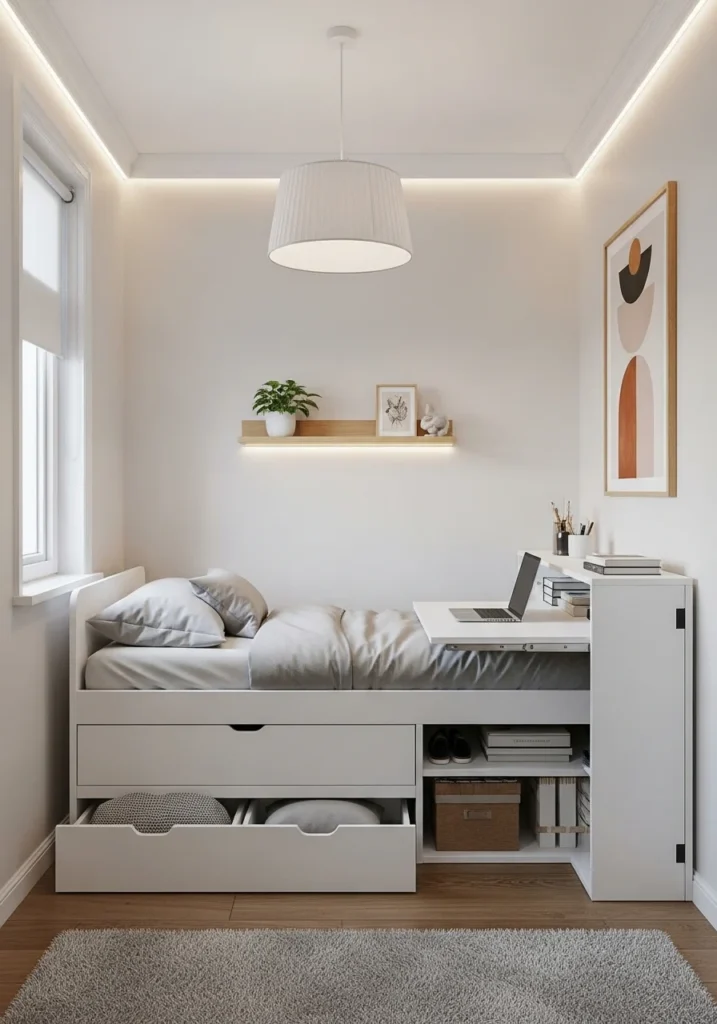
A bed that hides drawers, a pouffe that opens into a blanket box, a desk that folds flat against the wall — once I started choosing furniture that did two jobs, my bedroom stopped feeling like a storage cupboard. I picked a storage bed first, and it swallowed spare bedding, winter jumpers and the extra duvet in one go. A small ottoman at the foot of the bed now holds books and chargers, and nothing extra has to live on the floor. The trick, I have found, is choosing pieces that look like ordinary furniture, so the room feels like a bedroom first and clever storage second.
How to do it: Start with the bed and choose one with drawers or a lift-up base. Add a storage ottoman or a folding desk only if you genuinely need it. Measure every piece before ordering, keep walkways clear, and choose pale wood or white finishes so the furniture feels light rather than bulky.
3. Innovative Lofted Bed Ideas to Free Up Floor Space
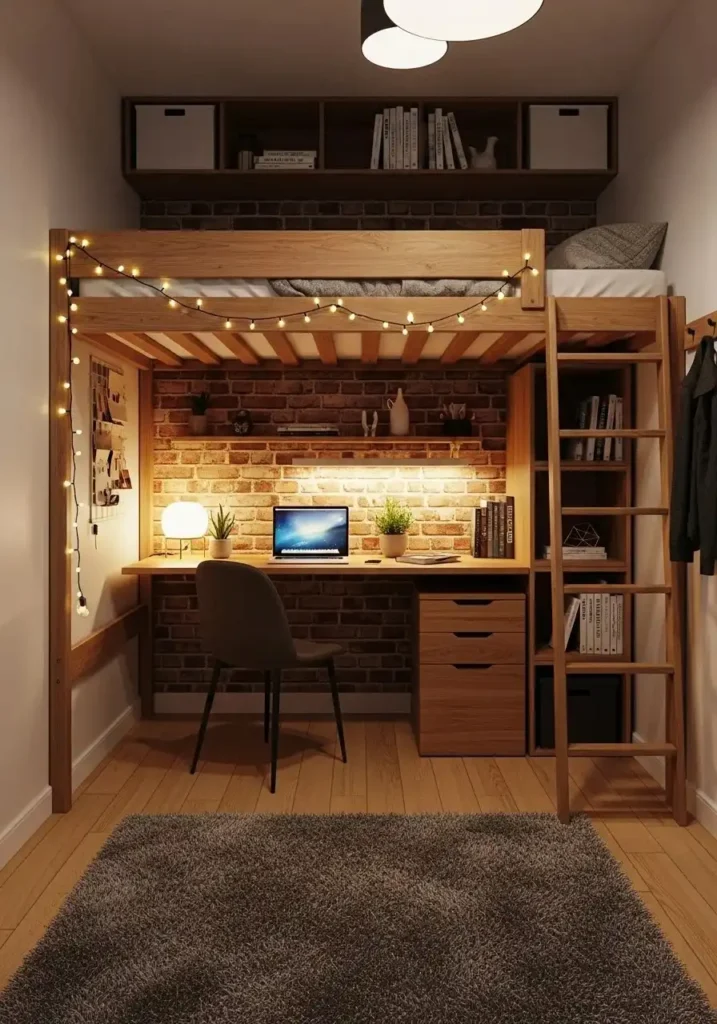
I will be honest: a lofted bed sounded like a student-flat idea until I saw one in a friend’s box room, with a proper desk and a reading chair tucked underneath. Suddenly the bed stopped eating the whole floor, and the room gained a whole second layer. I love that climb-up-to-sleep feeling too — it makes bedtime feel like a small adventure, and the space below stays useful all day. It is not for everyone, so check your ceiling height first, but in a room with decent headroom it is the single biggest space win I know.
How to do it: Measure from mattress top to ceiling and leave at least 90 cm for sitting up. Choose a sturdy frame with a safe ladder and a guard rail, then put a desk, wardrobe or reading nook underneath. Add fairy lights or a small lamp below, and keep the ladder side clear so getting in and out feels easy.
4. Secret Under-Bed Storage Hacks for Small Bedroom Organization
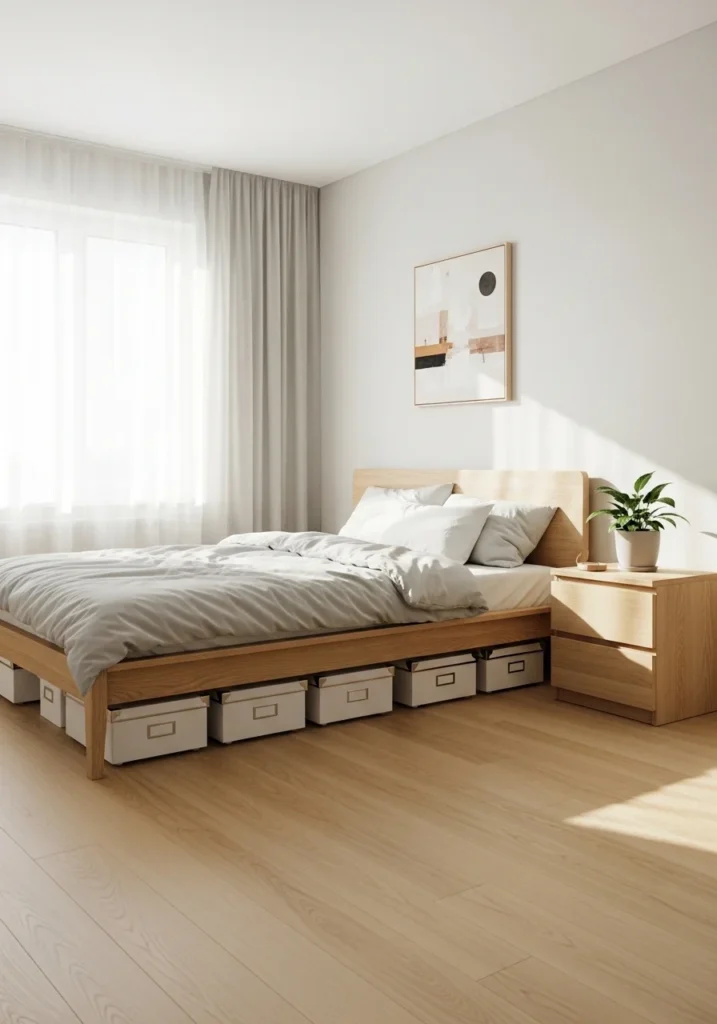
The space under my bed sat empty for years while my wardrobe burst at the seams, which now seems ridiculous. Flat rolling boxes changed that in one afternoon: spare sheets, out-of-season jumpers and the spare duvet all slid out of sight, and my cupboard finally closed properly. I label every box on the end I can see, because nothing kills a tidy system faster than pulling out four boxes to find one scarf. Keep a little gap at the front so the boxes glide, and choose shallow ones — deep boxes just become a jumble you never open.
How to do it: Measure the clearance under your bed, then buy low rolling boxes that fit with a little room to spare. Sort items by season, label each box on its short end, and keep the things you reach for most near the front. Vacuum-pack bulky bedding first so it lies flat.
5. Mirror Magic: Using Reflective Surfaces to Open Up a Small Bedroom
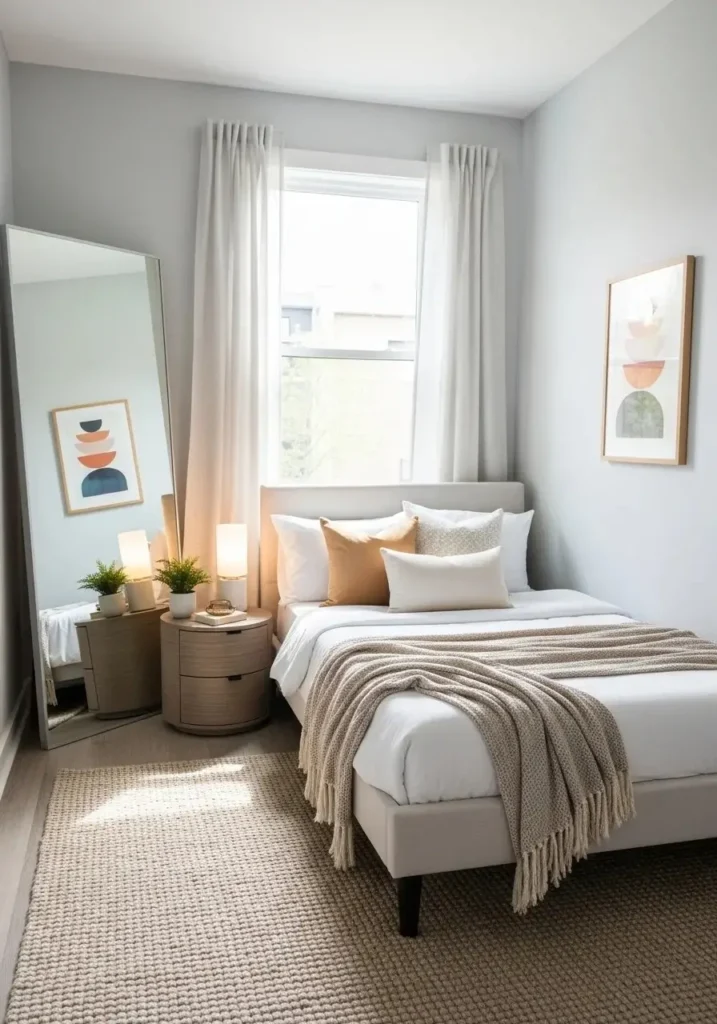
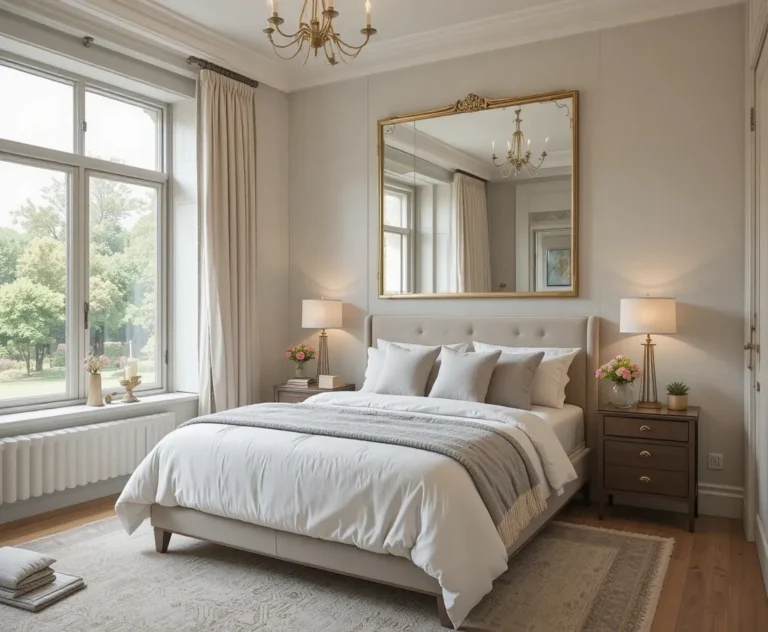
I hung my first big mirror opposite the window on a whim, and the change was so instant that I stood there laughing. The room did not grow, of course, but the light doubled and suddenly I could see the whole space at once, which tricks your brain beautifully. I chose a tall, slim mirror with a thin pale frame so it reads like a window rather than a bulky object, and I keep the glass spotless — a smudged mirror just doubles the mess. Lean it if you cannot drill, but anchor it properly if you have children or pets.
How to do it: Hang or lean a large mirror opposite a window or across from a light source. Keep the frame slim and pale, leave the wall around it clear, and clean the glass weekly. If you lean it, secure the top to the wall so it cannot slip.
See More Amazing Ideas Also: 20 Guest Room Ideas to Make Your Space Cozy and Inviting
6. Light and Bright: Color Palettes That Expand Your Tiny Bedroom
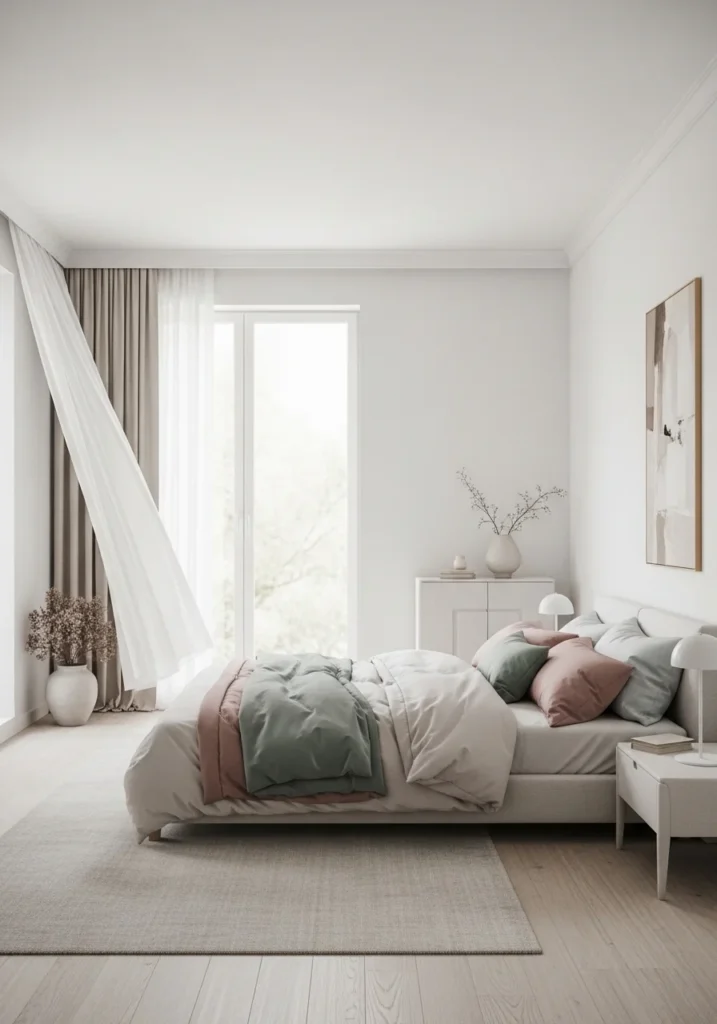
Paint is the cheapest way I know to make a small bedroom feel bigger, and I learned it the hard way after painting one wall a deep navy that swallowed the light. Now I stick to warm white, soft beige and the palest blush on the walls, and I let cushions and a throw bring in the colour instead. The room feels brighter by day and softer at night, and everything I already own suddenly matches. If plain white feels cold to you, choose a white with a warm, creamy undertone — it makes all the difference in a north-facing room.
How to do it: Paint walls and ceiling in the same pale shade to blur the edges of the room. Choose bedding and curtains in matching light tones, then add colour with two or three small accents, like cushions or a lamp. Keep wood pale or white for the same airy effect.
7. Wall-Mounted Shelving Ideas for a Clutter-Free Bedroom
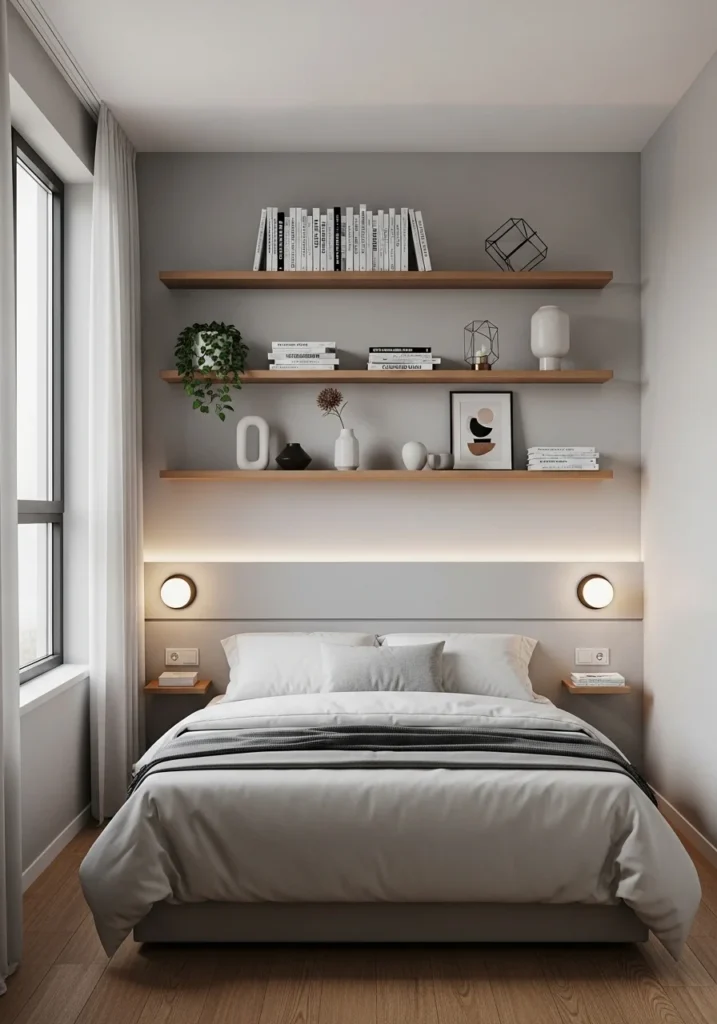
Drilling shelves into the wall felt like a commitment the first time I did it, but nothing else has earned its keep quite like them. My shelves hold books, a small plant and the clock I actually look at, all without touching the floor — and because they sit at eye level, the room feels dressed rather than empty. I keep the heaviest books low and the prettiest things up high, and I leave one shelf half-empty on purpose. That breathing space is what stops shelves looking like a jumble sale.
How to do it: Fix brackets into wall studs or use proper plasterboard fixings, and check the shelf is level before loading it. Put daily items within easy reach, keep one shelf partly empty, and group things in odd numbers — threes look calmer than a long row.
8. Creative Lighting Solutions to Make Your Small Bedroom Feel Larger
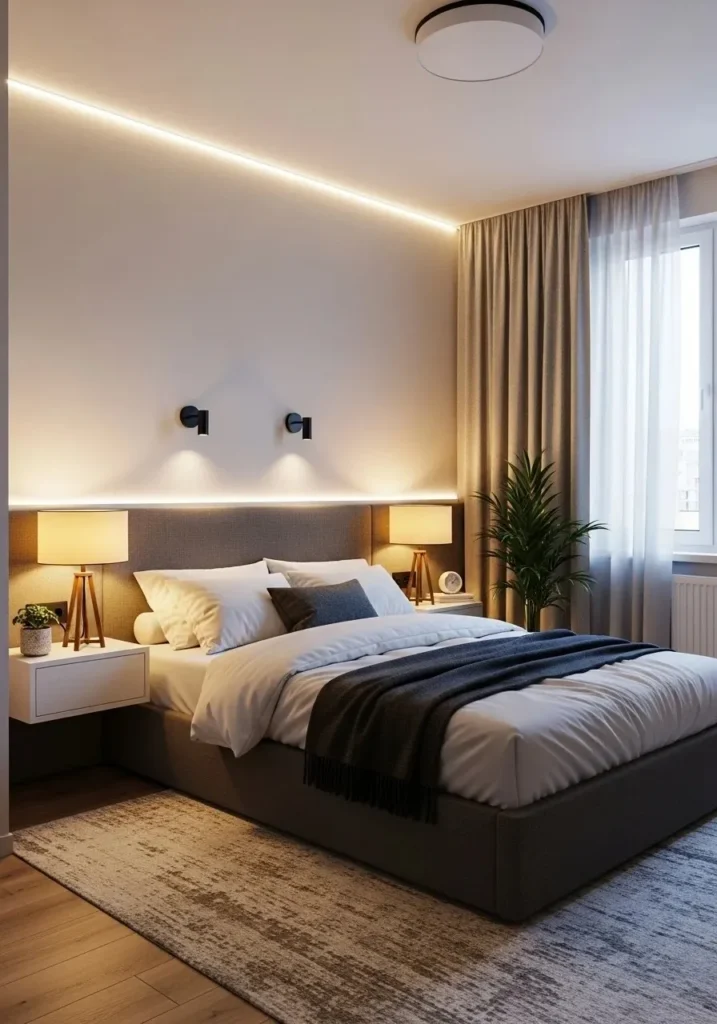
One ceiling light used to be all my bedroom had, and every evening it cast the same flat, tired glow over everything. Layering changed that completely: a warm bedside lamp for reading, a soft strip of light behind the headboard, and a small fairy-light garland along the shelf. Now the room feels deep and gentle after dark, and I can choose bright light for getting dressed or a low glow for winding down. Warm bulbs matter most — I always pick 2700K, because cooler light makes a small room feel like an office.
How to do it: Add at least three light sources at different heights — a ceiling light, a bedside lamp and a low glow, like fairy lights or an LED strip. Use warm-white bulbs around 2700K, put the bedside lamp on a dimmer if you can, and keep cords tucked behind furniture.
9. Smart Storage Strategies for Small Bedroom Closets
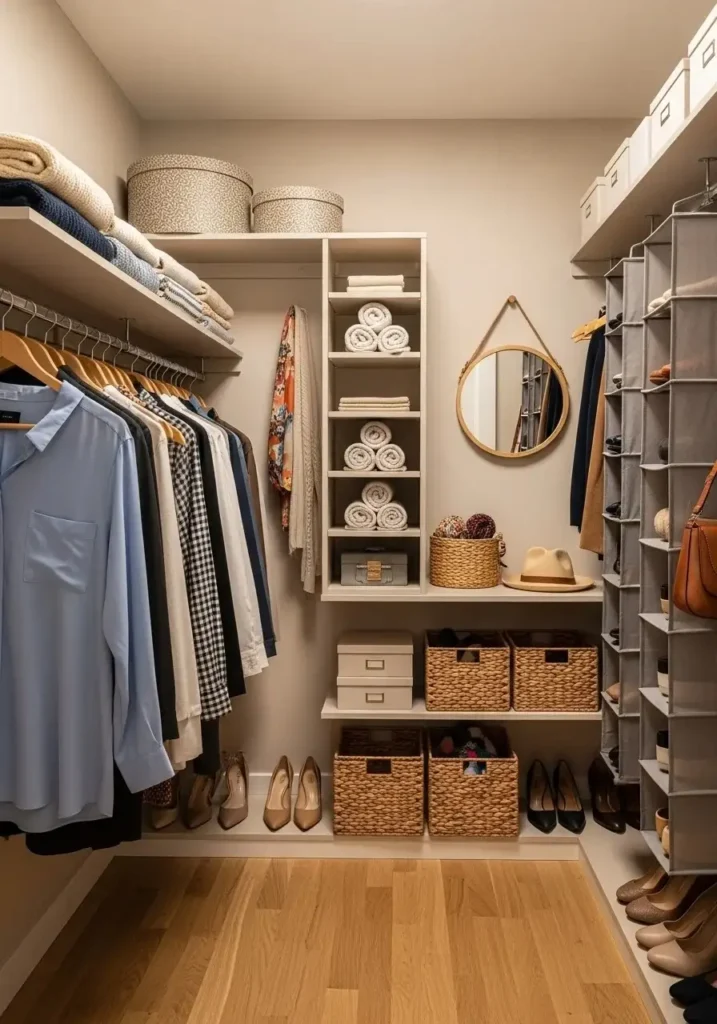
My wardrobe was the Bermuda Triangle of my bedroom — things went in and never came out. What fixed it was not a bigger cupboard but a ruthless sort-out followed by simple zones: everyday clothes at eye level, work outfits together, and off-season pieces in vacuum bags on the top shelf. Slim velvet hangers freed up a surprising amount of rail space, and a couple of small baskets now catch scarves, belts and the bits that used to pile on a chair. I can see everything in one glance now, which means I actually wear what I own.
How to do it: Empty the wardrobe, keep only what you wore in the last year, and group the rest by type. Switch to slim matching hangers, add a second rail or shelf if there is height to spare, and store off-season clothes in labelled vacuum bags up high.
10. Compact Nightstands with Hidden Storage: Clever Bedroom Solutions
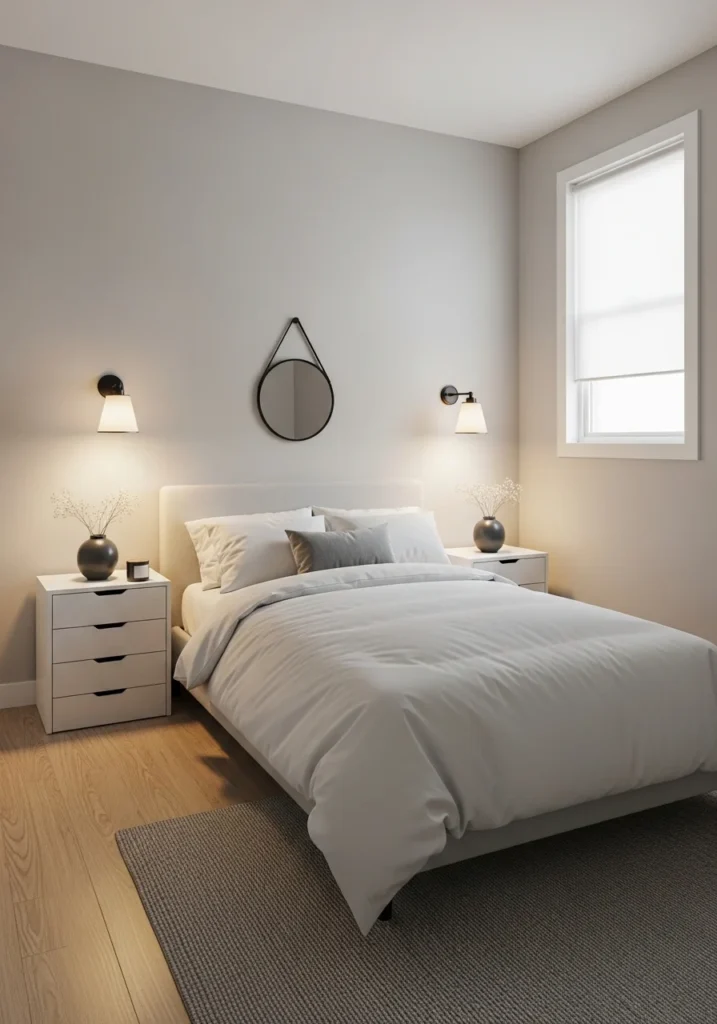
My old nightstand was a wide, wobbly thing that swallowed a third of the wall and still held nothing but a phone charger. I swapped it for a slim drawer unit barely wider than a book, and suddenly there was space for a lamp, a glass of water and my current read — everything I actually reach for at night. A small drawer hides the clutter, and the top stays clear because there is simply nowhere for things to pile up. If your floor space is truly tight, a wall-mounted shelf at bed height does the same job beautifully.
How to do it: Choose a nightstand no wider than you need, with one drawer and a clear top. Put a small lamp and a glass of water on it, and keep everything else in the drawer. If floor space is very tight, fit a floating shelf at mattress height instead.
See Amazing These Ideas Also: 15 Attic Bedroom Ideas That Turn Awkward Spaces Into Dreamy Retreats
11. Maximizing Corner Spaces for Extra Storage and Decor
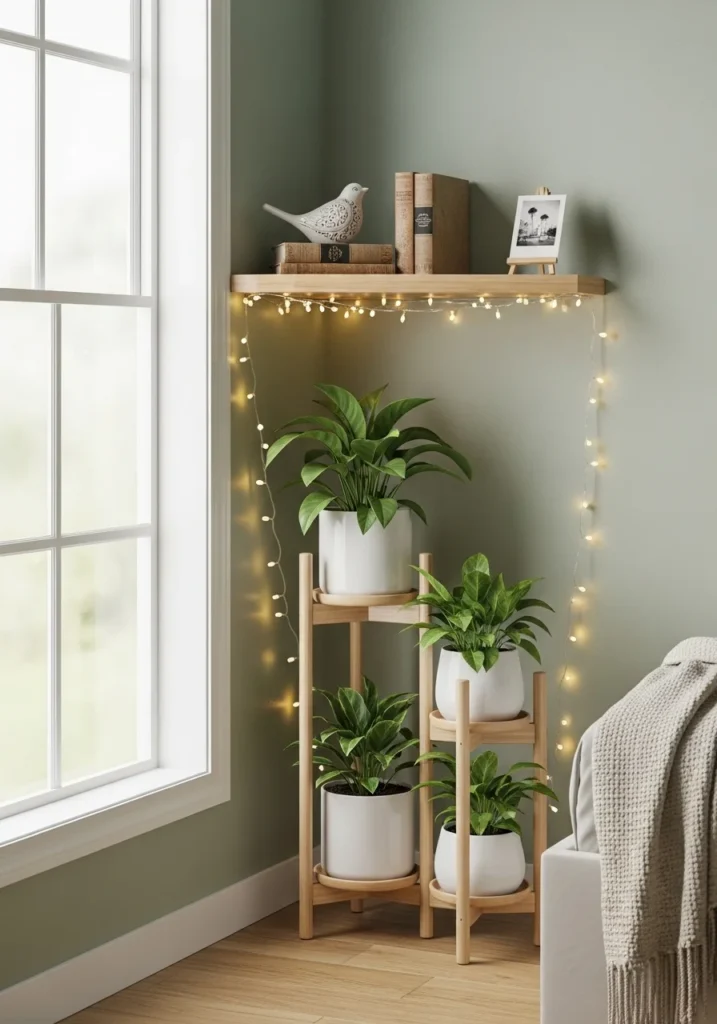
Corners are the most ignored spots in a small bedroom, and for years mine held nothing but a dusty plant I kept forgetting to water. Now one corner holds a slim ladder shelf with books and a candle, and the opposite corner has a tall plant that softens the whole room. It cost almost nothing, yet the room suddenly feels finished, as if every inch was planned. The trick is keeping corners light: one tall, narrow piece, not a pile of small clutter that turns the corner into a dumping ground.
How to do it: Pick one corner for storage, like a ladder shelf or a narrow cabinet, and leave the others mostly clear. Add a tall plant or a floor lamp in a second corner to draw the eye up. Keep the floor in front of each corner clear so the room still flows.
12. Using Floating Shelves to Keep Your Small Bedroom Stylish and Organized
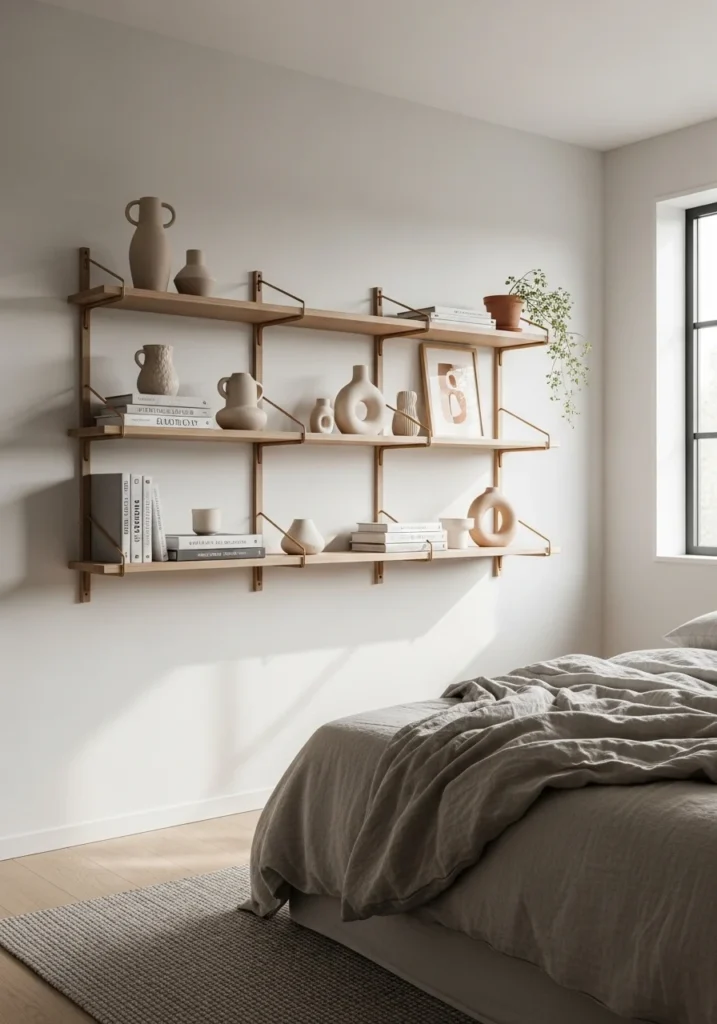
Floating shelves are my favourite kind of storage — they hold what I need without looking like storage at all. Mine run along the wall above the bed, holding a few books, a small vase and a framed photo, and the room still feels open because nothing touches the floor. I keep to one colour family — warm wood and cream — so the shelves read as part of the room rather than an add-on. The only rule I follow is restraint: when a shelf starts to look crowded, something comes off. That edit is what keeps them looking calm.
How to do it: Fit two or three floating shelves above the bed or desk, fixing them into studs or with strong plasterboard fixings. Style each shelf with books and one decorative piece, keep to one colour family, and leave a third of each shelf empty so it breathes.
13. Maximizing Natural Light with Simple Design Adjustments
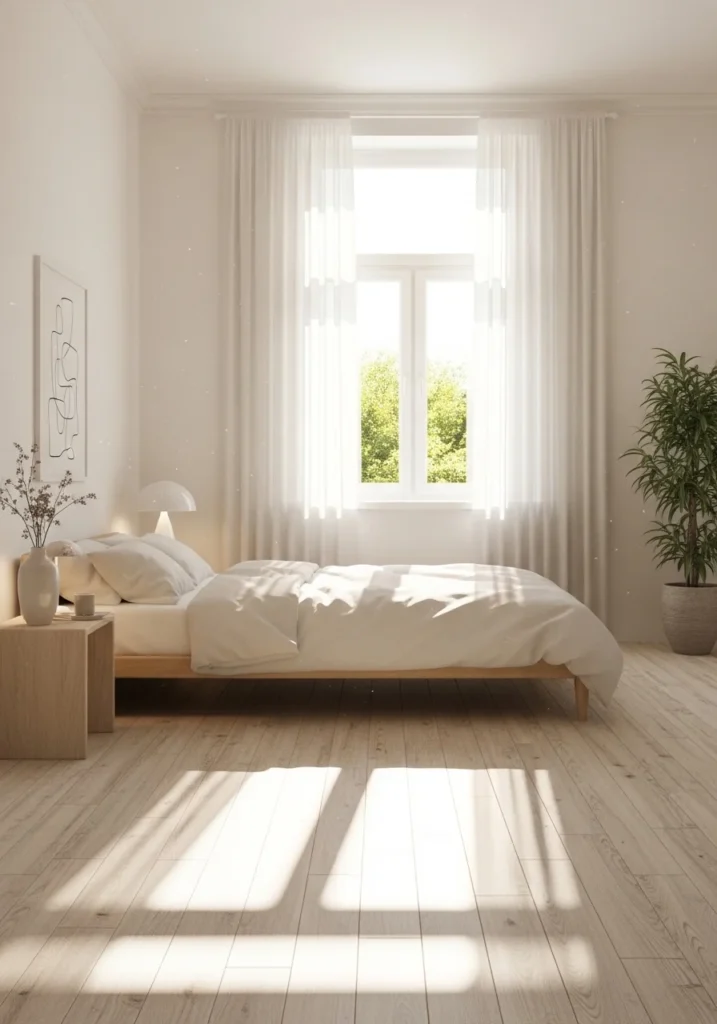
Nothing opens up a small bedroom like daylight, and I guard it fiercely now. I took down the heavy curtains, swapped them for sheer linen panels, and suddenly the whole room glowed from morning to evening. I keep the windowsill clear and the glass clean, because a smeared pane steals more light than you would think, and I never put tall furniture in front of a window. If your room faces north, a pale rug and light bedding bounce what light you do get even further around the room — even into the corners.
How to do it: Replace heavy curtains with sheer or linen panels, and keep windowsills clear. Clean the glass inside and out each month, and never block a window with tall furniture. Add a pale rug opposite the window to bounce light deeper into the room.
14. Decluttering Your Small Bedroom with Stylish Storage Ideas
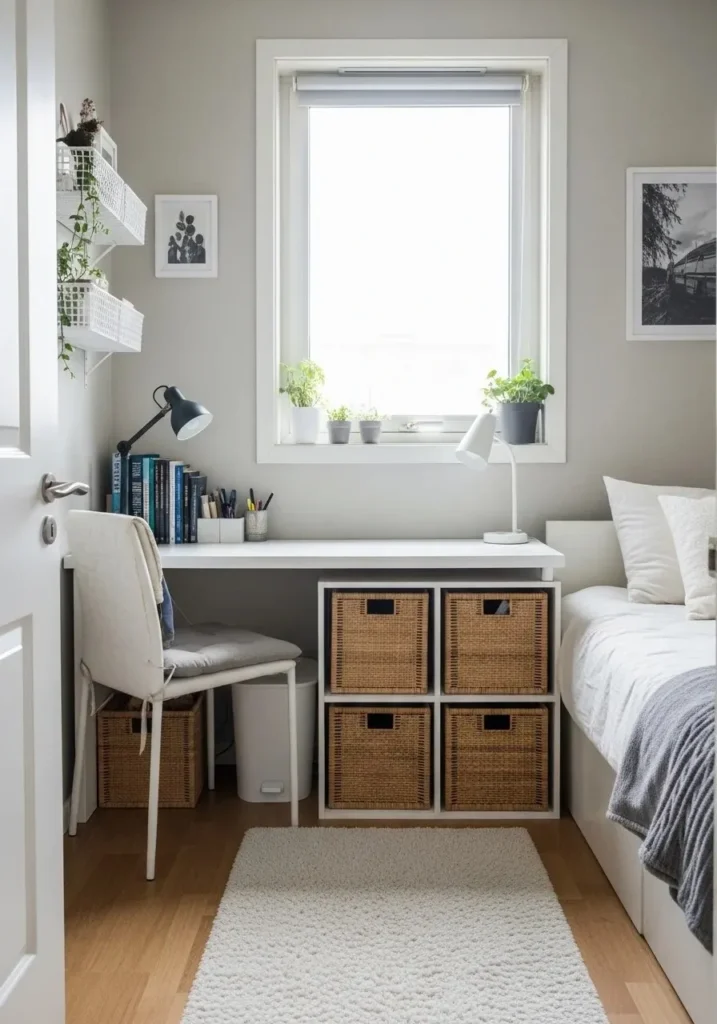
Decluttering sounds stern, but for me it started with one drawer and a cup of tea, not a whole weekend of misery. I took everything out, kept what I loved and used, and let the rest go — and the drawer has stayed tidy ever since, because everything in it earns its place. That small win spread: the top of the chest of drawers, then the bedside table, then the floor. A tidy surface changes how the whole room feels, and I guard it now with a simple rule: if something new comes in, something old goes out.
How to do it: Start with one drawer, not the whole room. Empty it, keep only what you love and use, and give everything left a fixed spot. Then repeat the same small win on the next surface, and keep a donation bag by the door for the one-in, one-out rule.
See Amazing These Ideas Also: 16 Teal & Pink Bedroom Ideas That Feel Stylish, Cozy, and Totally You
15. Cozy Bedding Ideas That Make a Small Bedroom Feel Inviting
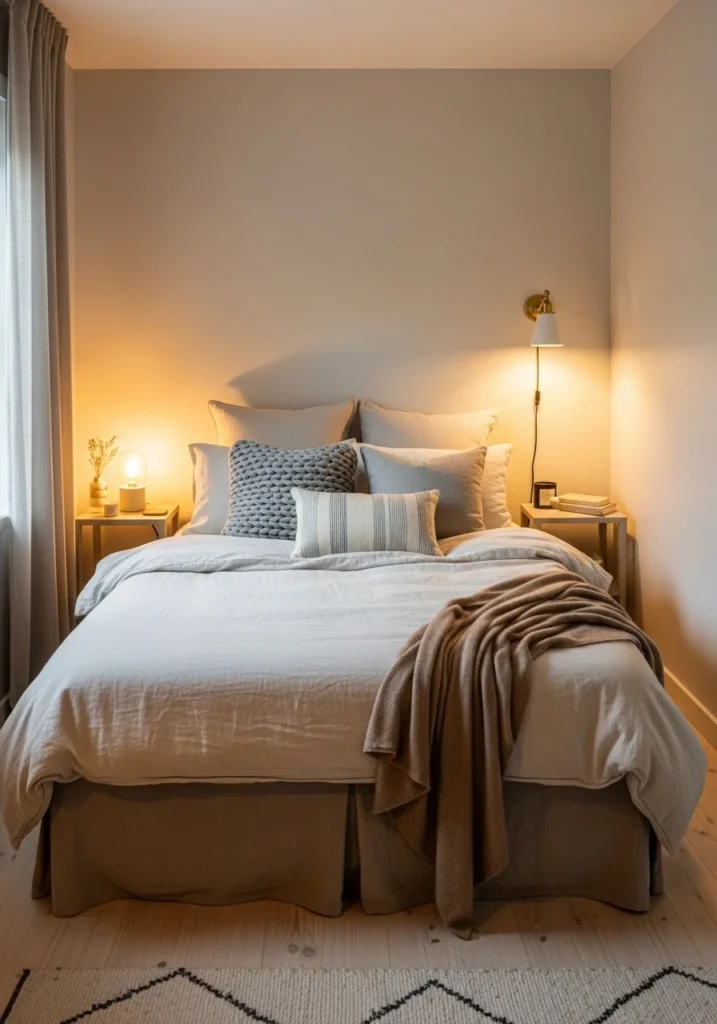
My bed takes up half my bedroom, so I decided it should be the prettiest thing in it rather than the biggest problem. I layer a soft white duvet, a folded linen throw and two plump pillows, and the whole room instantly feels like a boutique hotel — without a single new piece of furniture. I stick to two or three gentle colours, cream and sage with a touch of blush, because busy patterns make the bed look bigger than it is. A light duvet matters too: heavy bedding makes a small bed feel like a mound, while soft layers invite you in.
How to do it: Layer a light duvet, a folded throw and two pillows in two or three soft colours. Choose breathable linen or cotton, keep patterns small and calm, and make the bed every morning — a made bed makes the whole room look tidy.
16. Minimalist Storage Solutions for a Clean, Spacious Bedroom
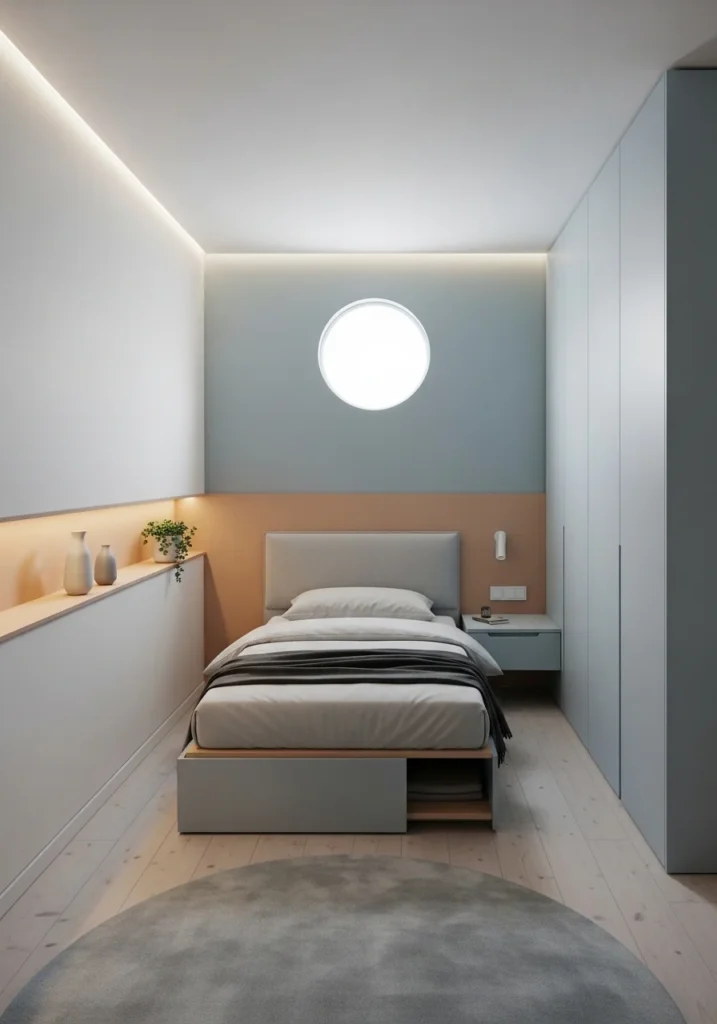
Minimalism gets a bad name for feeling bare, but in my bedroom it simply means everything has a place and nothing sits out without a job. I keep one clear surface, one calm colour story and only the pieces I genuinely use, and the room breathes in a way it never did when every shelf was full. It is not about owning less for the sake of it; it is about choosing the few things that make the room feel peaceful. When I am tempted by something new, I ask whether it will earn its square of space.
How to do it: Take everything off one surface and put back only what you use weekly. Choose hidden storage — drawers, baskets with lids, a closed cabinet — for the rest, and keep one surface completely clear. Review the room monthly and remove anything that has crept back.
17. Efficient Furniture Layouts That Optimize Your Small Bedroom Space
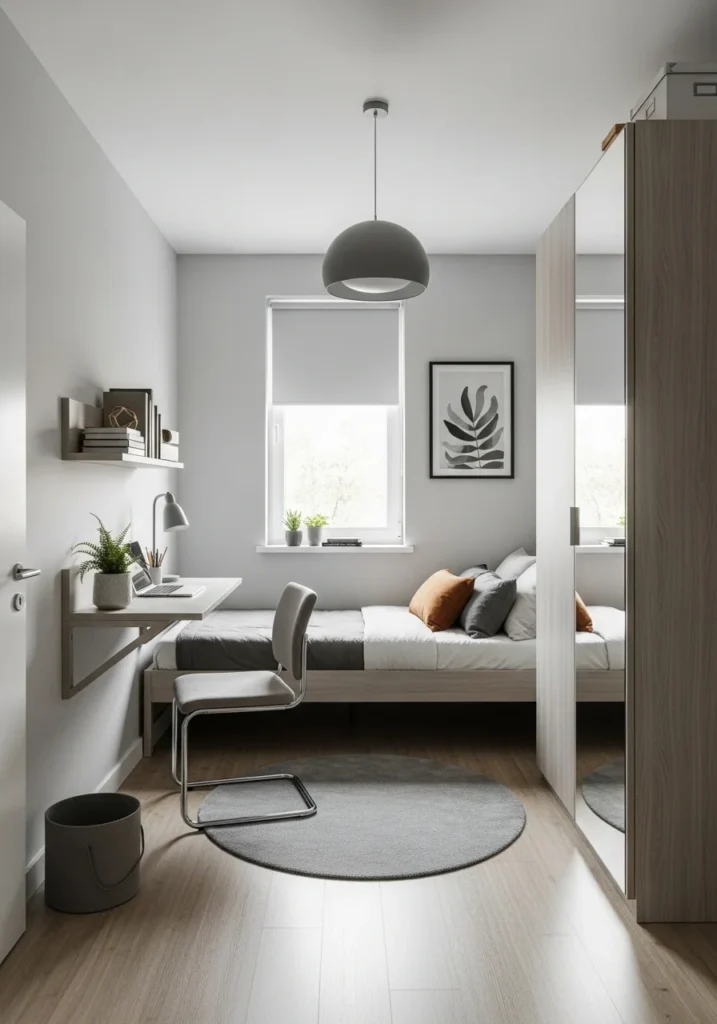
I once pushed every piece of furniture flat against the walls, thinking that would free up the middle, and the room ended up feeling like a waiting room. What works better for me is floating the bed slightly away from one wall, leaving clear paths on both sides, and letting the chest of drawers anchor the opposite wall. Now I can walk around the bed without shuffling sideways, the window stays unblocked, and the room feels designed rather than just filled. Sketching the layout on paper first saved me three rounds of heavy lifting.
How to do it: Draw a simple floor plan with the bed, wardrobe and drawers marked in. Push larger pieces against walls, keep walkways at least 60 cm wide, and never block windows or doors. Live with the layout for a week before drilling anything into the walls.
18. How to Add Bold Accent Walls Without Overcrowding a Small Room
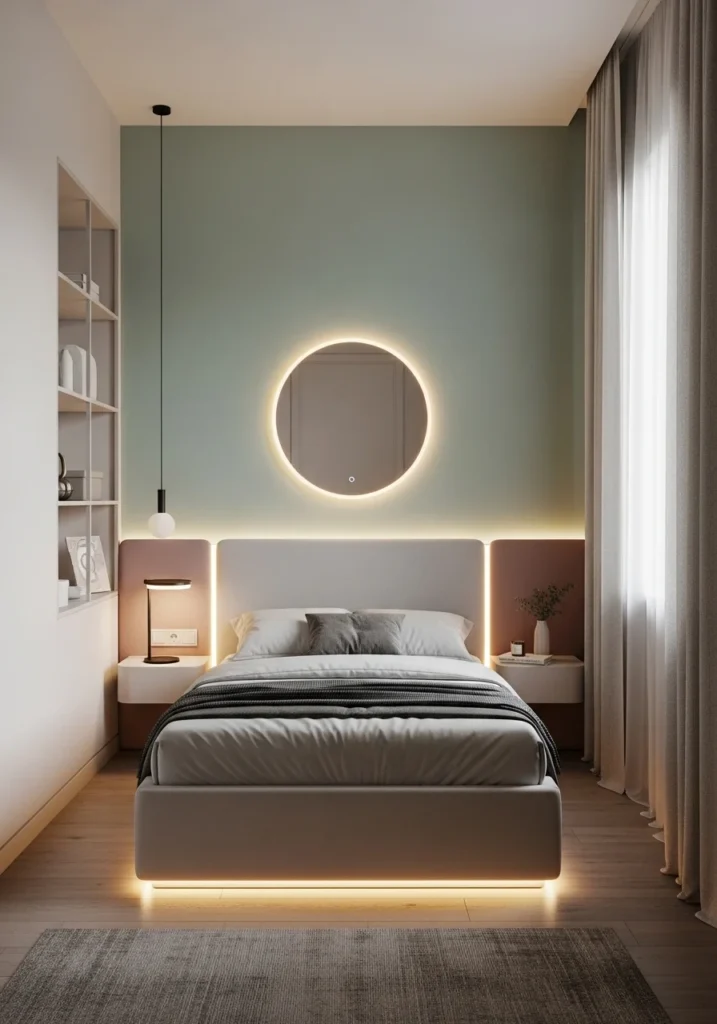
I was nervous about painting a wall in my tiny bedroom — what if it made the room feel smaller? — but the sage green wall behind my bed did the opposite. It gave the room a focal point, so your eye lands on something beautiful instead of noticing how small the floor is, and the rest of the room suddenly looks intentional. I kept everything else pale — white bedding, light wood, a plain rug — so the colour feels like a choice, not a shout. A soft bold colour works best: sage, dusty blue or warm terracotta, never a harsh bright that fights the light.
How to do it: Choose the wall behind the bed and paint it in a muted tone, like sage green, dusty blue or soft terracotta. Keep the other walls pale and the bedding light, then repeat the accent colour once or twice in cushions or art so the room feels pulled together.
19. Creating a Stylish Home Office in Your Very Small Bedroom
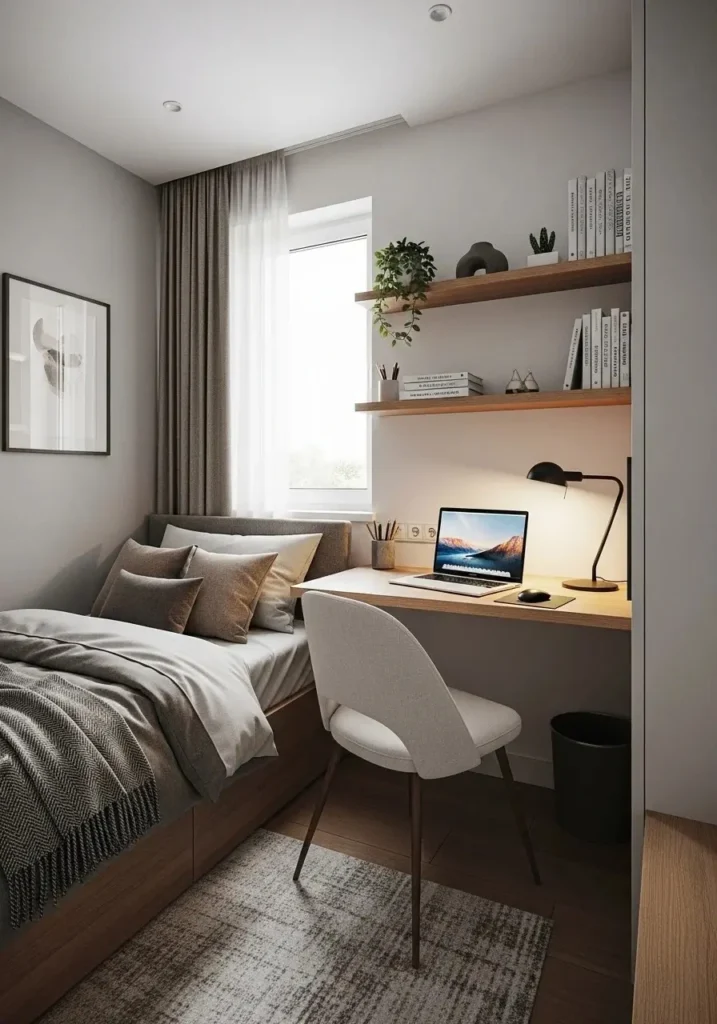
Working from a bedroom corner used to mean a laptop balanced on the bed and a sore back by lunch. A compact wall-mounted desk changed that: it folds down when I need it and disappears when I do not, and a proper chair that tucks right under it means I can actually sit up straight. I keep only the day’s work on the desk — laptop, notebook, one pen — and everything else lives on a shelf above, so the office never takes over the bedroom. When work ends, I fold the desk up and the room is a bedroom again.
How to do it: Fit a compact desk or wall-mounted table in a quiet corner, with a chair that slides fully underneath. Add one shelf above for supplies, use a small lamp for task light, and keep the desk clear at the end of each day so the bedroom feels restful again.
20. Using Wall Art to Add Personality to Your Tiny Bedroom
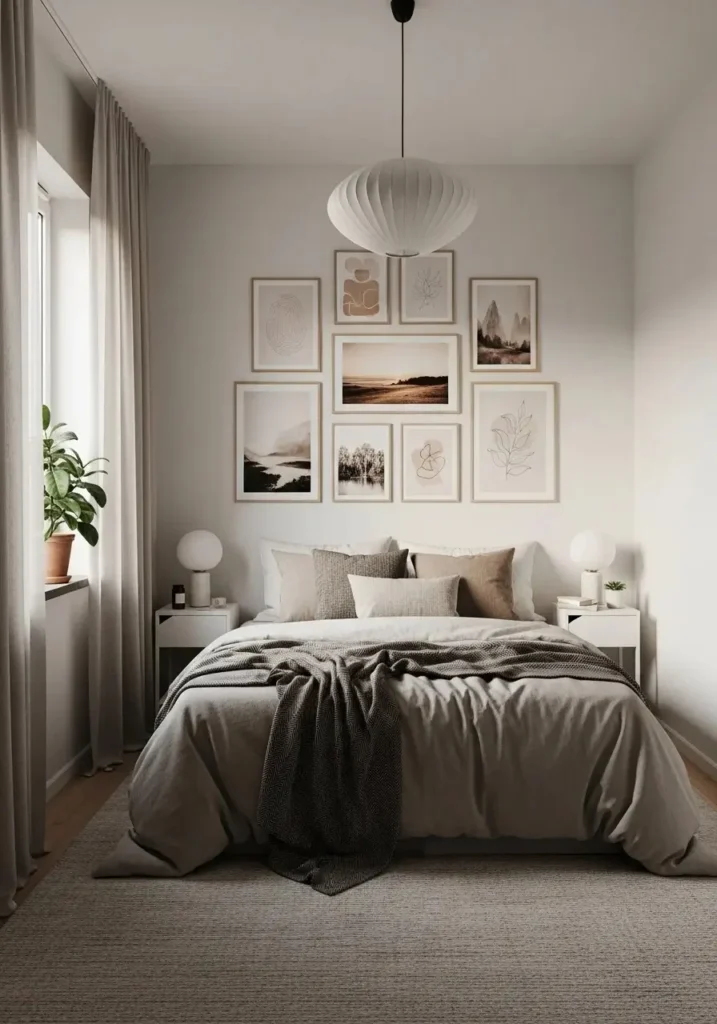
I used to think wall art in a tiny bedroom would make the walls close in, until I hung three small framed prints above my bed and the room suddenly felt like mine. Art gives your eye somewhere lovely to rest, and unlike furniture it takes up no floor at all — which in a small room is the best kind of decorating. I chose pieces that mean something to me: a print from a favourite holiday, a small sketch, a photo of my family. Keeping the frames slim and pale, and leaving generous space between them, is what stops a gallery wall from feeling busy.
How to do it: Choose three to five meaningful pieces and hang them at eye level above the bed or dresser. Use slim, matching frames, leave a hand’s width between frames, and step back to check the arrangement feels balanced before fixing the last nail.
Frequently Asked Questions
How can I make a small bedroom look bigger without spending much?
Start with the cheapest wins: pale walls, sheer curtains and a big mirror opposite the window, all of which bounce light around the room. Keep the floor as clear as you can, choose furniture with legs so you can see the floor beneath it, and stick to one calm colour story throughout. For more space-stretching tricks, see these 30 genius bedroom ideas that make every inch feel bigger.
What colours make a small bedroom feel larger?
Pale, warm colours do the most work: soft white, warm beige, pale grey and the gentlest blush or sage on the walls, with bedding and curtains in matching light tones. Dark or very busy colours chop the room into pieces and make the walls feel closer, so save bold colour for one accent, like cushions or a single painted wall. A pale ceiling in the same shade as the walls also blurs the edges and lifts the room.
How do I light a small bedroom so it feels cosy, not cramped?
Layer three kinds of light instead of relying on one ceiling bulb: a main light for getting dressed, a warm bedside lamp for reading, and a low glow, like fairy lights or a strip behind the headboard, for evenings. Warm-white bulbs around 2700K keep the room feeling soft, while cool white light can make it feel stark. For more ideas, see these warm lighting ideas to make a small bedroom feel cosy.
Where should I store things in a small bedroom so it stays tidy?
Use the hidden spots first: drawers under the bed, the top shelf of the wardrobe for out-of-season clothes, and a slim basket or two for the bits that usually end up on the floor. Keep daily items at eye level and put rarely used things up high or out of sight. For a full set of storage ideas, see these smart storage ideas for small bedrooms that actually look beautiful.
Your Small Bedroom Checklist
☐ Clear one surface completely before you start.
☐ Measure the room and sketch a simple floor plan.
☐ Add one tall storage piece that uses the wall, not the floor.
☐ Swap heavy curtains for sheer or linen panels.
☐ Hang a large mirror opposite the window.
☐ Layer three kinds of warm light.
☐ Keep bedding to two or three soft colours.
☐ Give everything a fixed home — and keep one surface clear.
🌿 Conclusion: Turn Your Small Bedroom Into a Beautiful, Functional Retreat
Small bedrooms ask us to be choosy, and that is honestly their gift. Every idea in this post — from tall shelves and a lofted bed to sheer curtains and a single calm accent wall — works because it gives a small room one clear job at a time: more light, more hidden storage, or simply more space to breathe. You do not need to try all twenty at once; the rooms that feel best are the ones that change slowly, one thoughtful swap at a time, until the space fits the way you actually live.
Start with the change that would make your mornings easier — a clear surface, a bed you love climbing into, or a wardrobe you can finally see into — and let the rest follow. A tiny bedroom can be the cosiest room in the house when every inch earns its keep, so pick your favourite idea, make a start this weekend, and enjoy watching your small space feel bigger, calmer and entirely yours.
2 Comments