
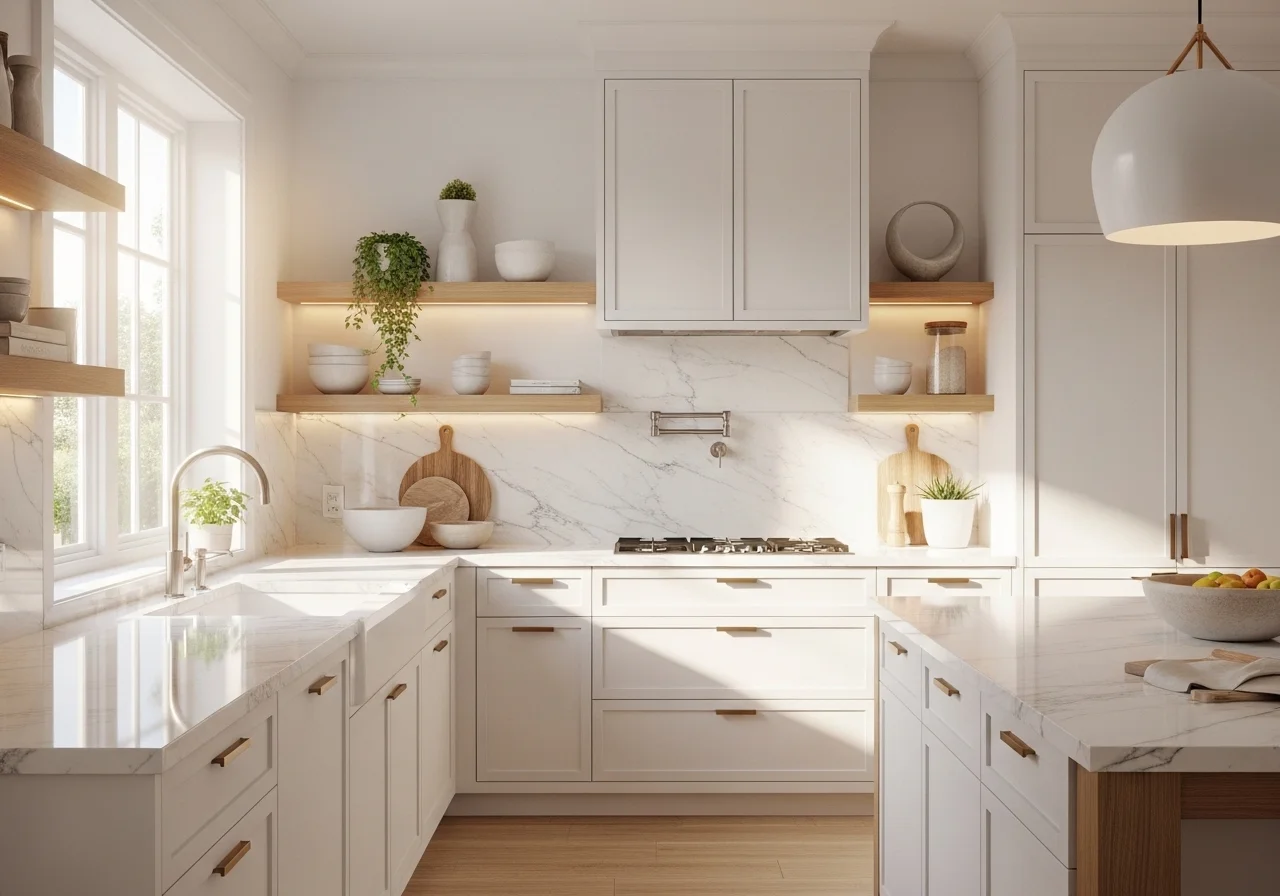
White Kitchen Ideas: 18 Beautiful Ways to Create a Bright, Timeless Space
Why does your kitchen still feel crowded and lifeless, even after cleaning it again and again? Sometimes, it’s not about the mess—it’s about the design. Dark tones and heavy details can make your space feel smaller than it really is. But here’s the simple fix: go lighter, cleaner, and more intentional. With the right white kitchen ideas, you can transform your kitchen into a space that feels brighter, more open, and surprisingly peaceful every single day.
1. Layer Different Shades of White
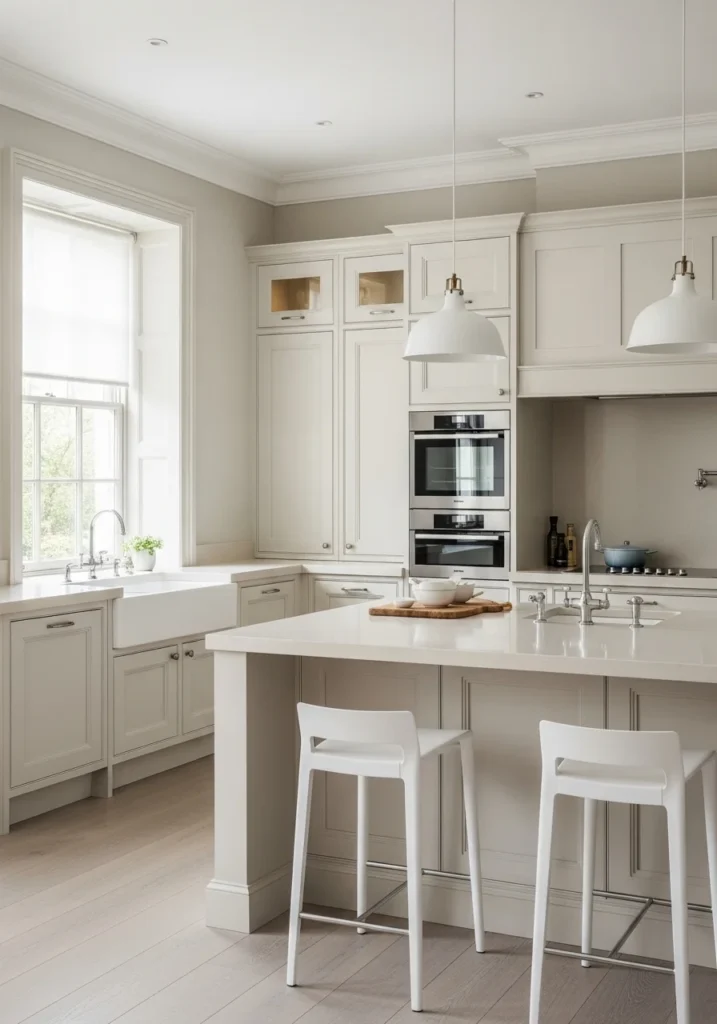
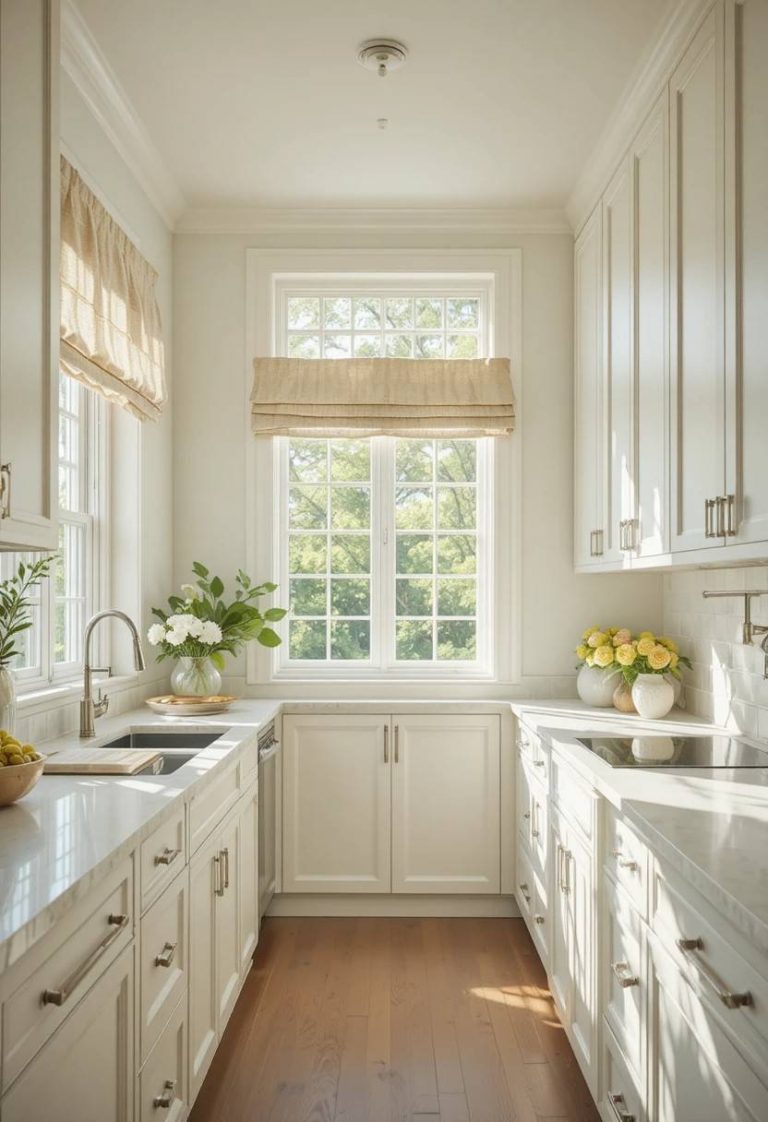
I used to think white was simply white, until I held three paint cards against my kitchen wall and watched them change completely from morning to evening. One turned cool and almost blue in daylight, another glowed warm and honeyed by lamplight, and the third stayed soft and chalky whatever the hour. That afternoon taught me to stop searching for a single perfect white and to layer gentle shades instead, letting bright cabinets sit beside ivory walls and a crisp ceiling. The differences are quiet, yet they stop the room feeling flat, and I love how the light picks out one shade, then another, through the day.
How to do it: Choose three whites with different undertones, one cool, one warm and one neutral, and test large swatches on each wall. Paint the largest surfaces in the brightest white, use the softest shade on the walls, and keep the ceiling crisp. Repeat one shade on the trim or island so the layers feel planned, then live with the swatches for a few days before you commit.
2. Add Warm Wood Accents
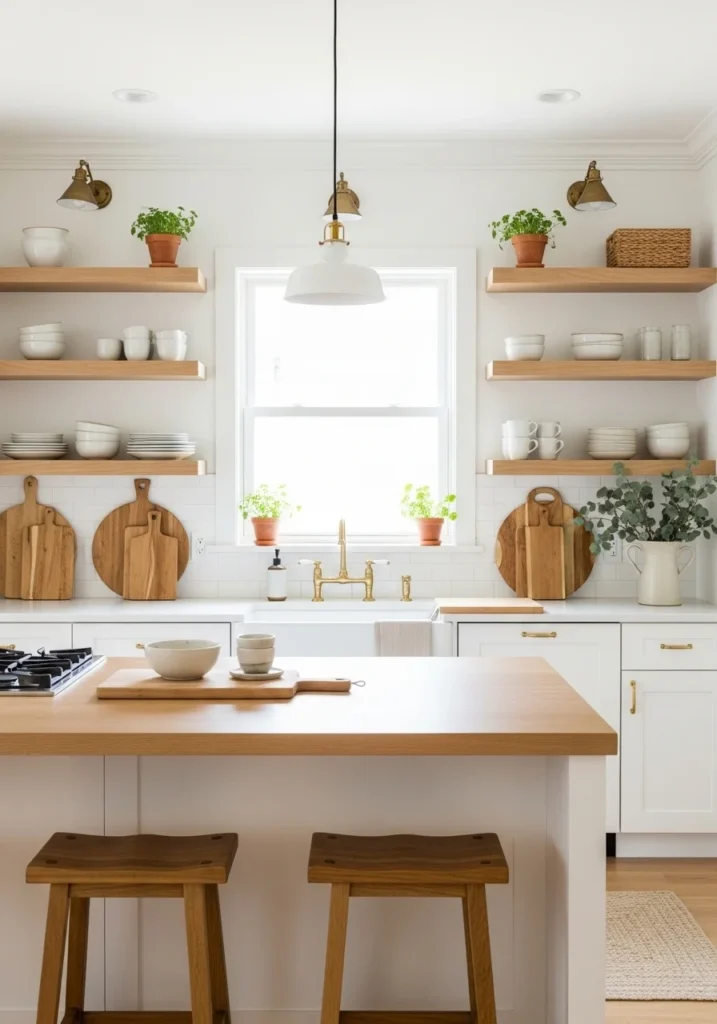
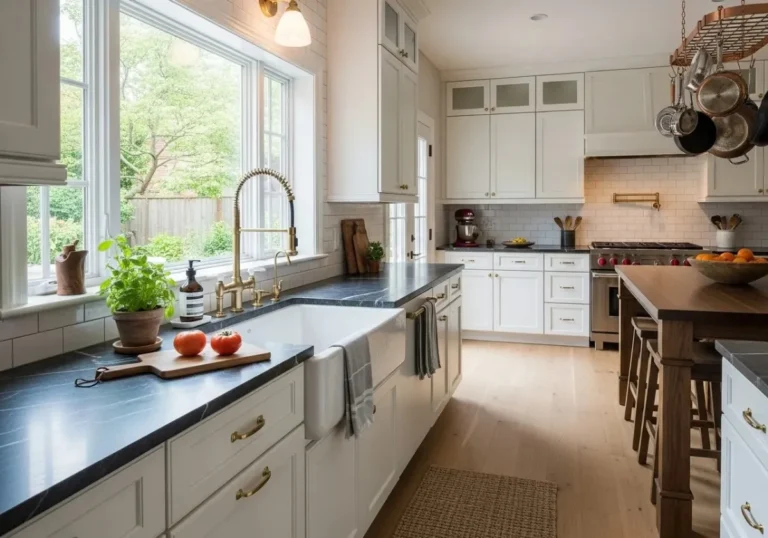
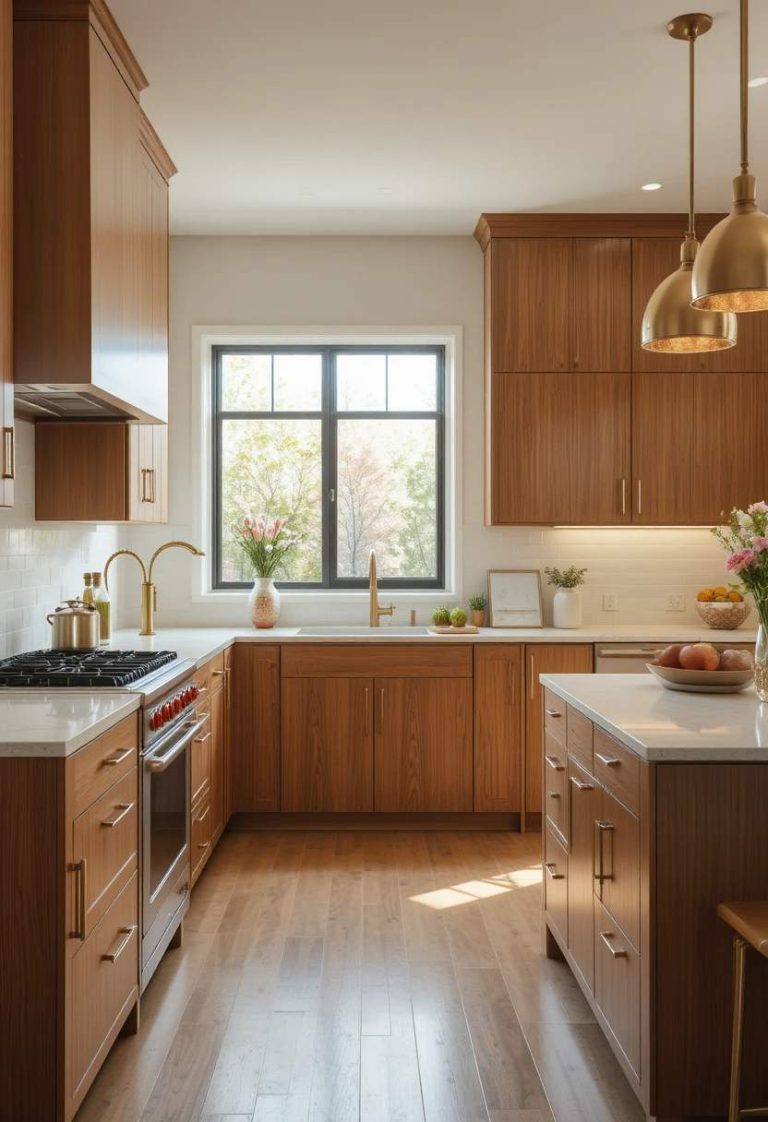
My white kitchen looked lovely in photographs, yet it felt chilly every winter morning, as though I had stepped into a showroom rather than a room for breakfast. A pale oak chopping board was the first small change, then a wooden stool, and suddenly the whole space softened without losing any of its brightness. Wood brings grain, warmth and a hint of the outdoors, and I find it steadies all that white, especially on a grey day when the light is thin. Now I choose pieces I can touch and use daily, because a kitchen should feel welcoming, not precious, and wood does that better than almost anything else.
How to do it: Start with one wooden piece, such as a chopping board, stool or open shelf, in light oak or warm walnut. Add a second piece nearby, perhaps a tray or fruit bowl, so the wood feels repeated rather than random. Keep the finish matt or lightly oiled, wipe it after cooking, and avoid dark stains that would fight the pale cabinets.
3. Use White Subway Tiles for Texture
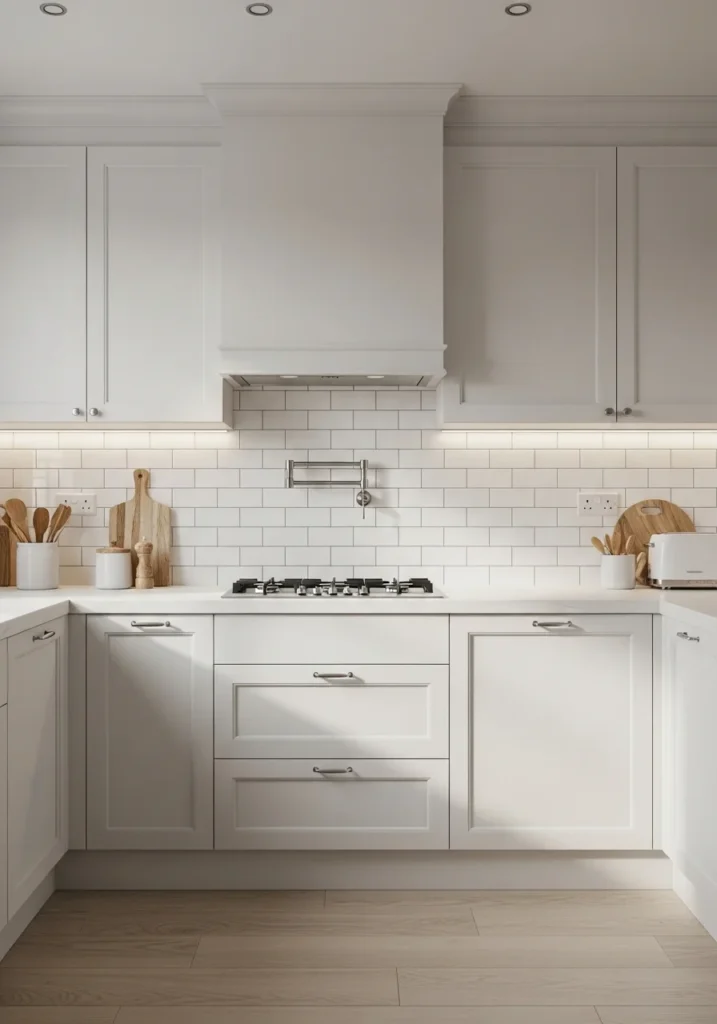
I chose white subway tiles because they felt safe, and then I was surprised by how much character such a simple tile could bring to my plain white wall. The neat rows, the soft sheen and the fine grout lines give the eye something to follow, so the kitchen feels finished without becoming busy or fussy. In the morning they catch the light from the window, and in the evening they reflect the warm glow of the lamps, which makes the whole run of worktop feel brighter. What I like most is their honesty: they are practical, easy to wipe, and they suit almost every style, from a cottage kitchen to a much sleeker, modern one.
How to do it: Lay the tiles in a classic brick pattern, keeping the grout lines even with spacers. Choose a slightly darker grout for definition, or a matching grout for a seamless look. Seal the grout once it has cured, wipe splashes promptly, and keep a few spare tiles for any future chips.
4. Mix White Cabinets with Marble Countertops
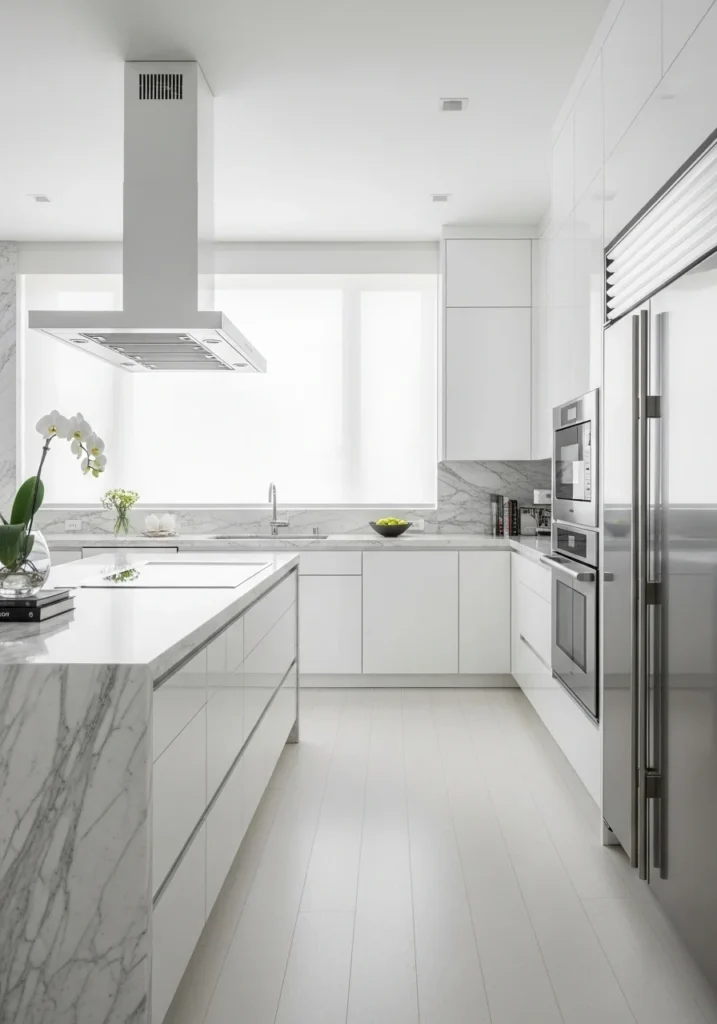
The first time I saw white cabinets beside marble, I understood why the pairing appears in so many kitchens I had saved: it feels calm, generous and quietly luxurious. Soft grey veining breaks the plainness of the white without shouting, and each slab has its own marks, so the worktop never looks mass-produced or flat. I worried marble would feel too grand for everyday cooking, yet I use mine for rolling pastry, cooling cakes and piling up the Sunday roast, and it still looks beautiful. It is the surface I touch most, and its cool, smooth feel reminds me that a kitchen can be both practical and a little bit special.
How to do it: Order samples and view them beside your cabinet doors in daylight. If real marble feels high maintenance, choose quartz with a marble look for easier care. Seal natural stone as the supplier advises, wipe spills such as lemon juice and wine straight away, and use boards for chopping.
5. Incorporate Soft Lighting for Warmth
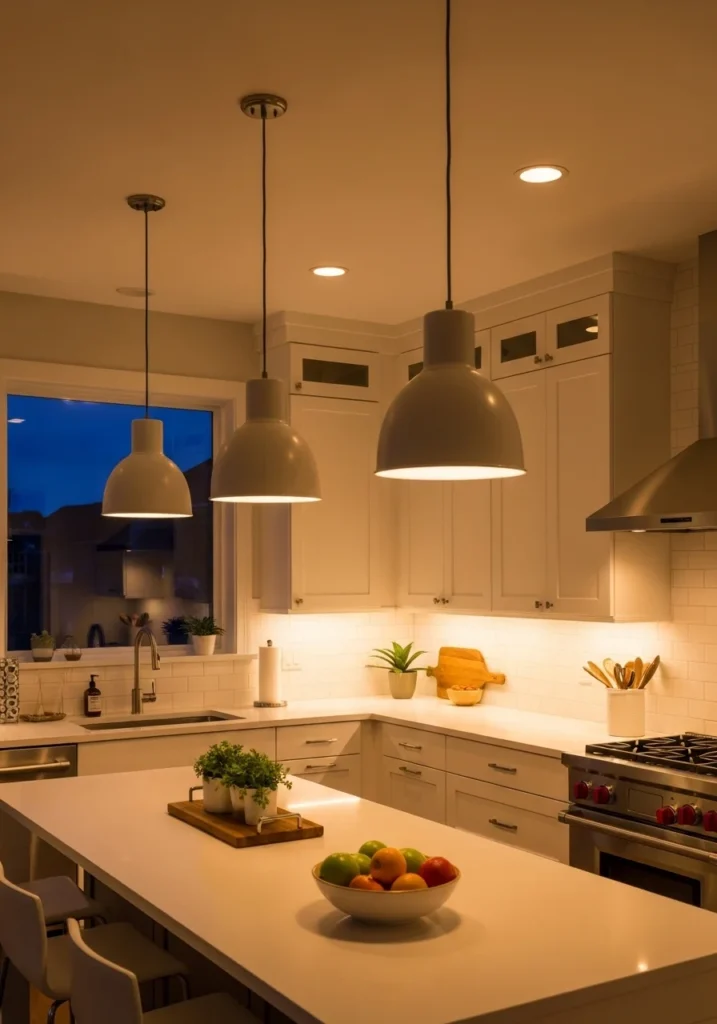
A white kitchen can look bright at noon and rather stark at night, and I learned that the hard way when our single ceiling light left the corners in shadow. Adding warm light under the cabinets changed everything: suddenly the worktop glowed, the tiles shimmered, and cooking after dark felt cosy rather than clinical. I now think of lighting in layers, a soft glow for working, a gentle pendant over the table, and a low light for evenings when we are simply sitting with tea. It is a small change with a large effect, because warm light softens every white surface and makes the room feel like a place to linger.
How to do it: Fit warm white LED strips under the wall cabinets, close to the front edge, and put them on a dimmer. Hang one or two pendants over the island or table, about 75 centimetres above the worktop. Choose bulbs around 2700K, test them at night, and keep a small lamp for soft evening light.
6. Add Black Accents for Contrast
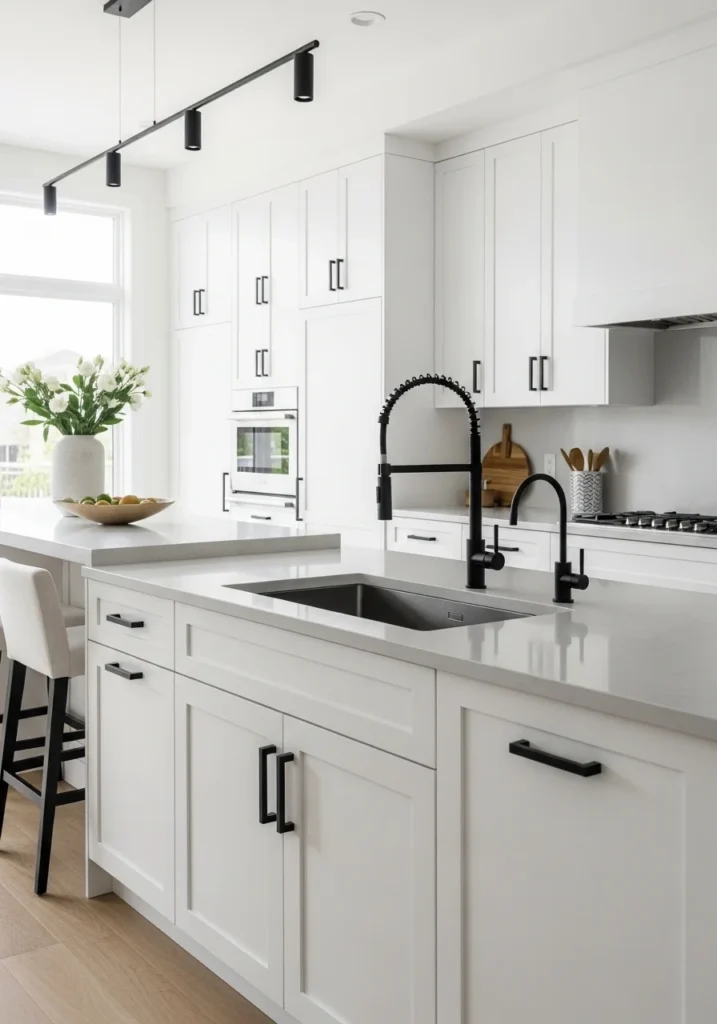
I was nervous about black in a white kitchen, afraid it would feel harsh, yet a few matt black handles proved me completely wrong. Those small dark details act like punctuation, defining the cabinets, framing the cooker and giving the eye a place to rest among all that pale colour. My black tap was the next step, and I love how it anchors the sink area, especially against the white tiles, without taking over the room. The trick, I have found, is restraint: a little black feels crisp and modern, while too much would steal the light that makes a white kitchen so appealing.
How to do it: Choose one black finish and repeat it in two or three places, such as handles, a tap and a light fitting. Keep the pieces slim and matt, fit them carefully so they align, and wipe them with a soft cloth to avoid water marks. Step back and check the balance before adding anything else.
7. Try Open Shelving in White Kitchen Ideas
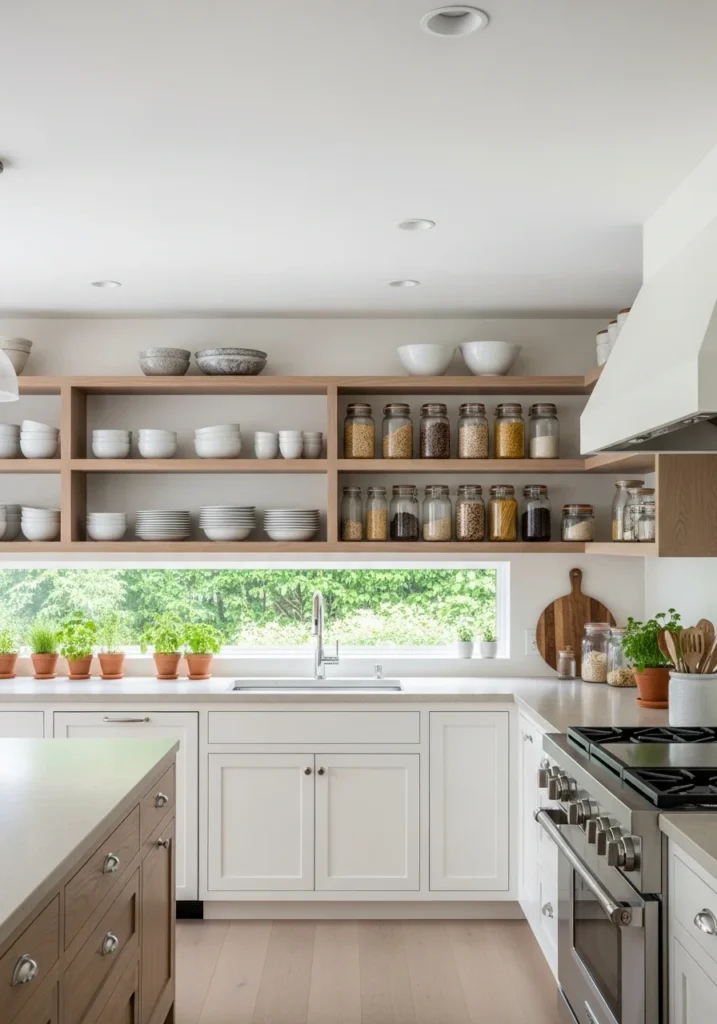
Taking the doors off one wall cabinet was a leap for me, because I liked the idea of open shelves far more than I trusted myself to keep them tidy. Yet the moment those shelves were bare and white, the kitchen felt taller and lighter, as though a wall had quietly stepped back. I keep my everyday plates, a few favourite bowls and a small jug on display, and reaching for them has become part of the pleasure of cooking. Good storage behind the scenes helps here, and these kitchen organisation ideas helped me give every less-used item a proper home, so the shelves stay calm rather than crowded.
How to do it: Remove one cabinet door or fit two shallow shelves, no deeper than 25 centimetres, on a free wall. Group plates, bowls and glasses by use, keep the palette pale and neutral, and leave breathing space between groups. Dust the shelves weekly and edit anything that has not been used in a month.
These Amazing Ideas Are Also Worth a Look
Kitchen Ideas for Small Spaces
Black and White Countertops Kitchen Ideas
19 Kitchen With Black Countertops Ideas That Feel Stylish, Warm & Effortlessly Modern
8. Use Glass Cabinet Doors for Depth
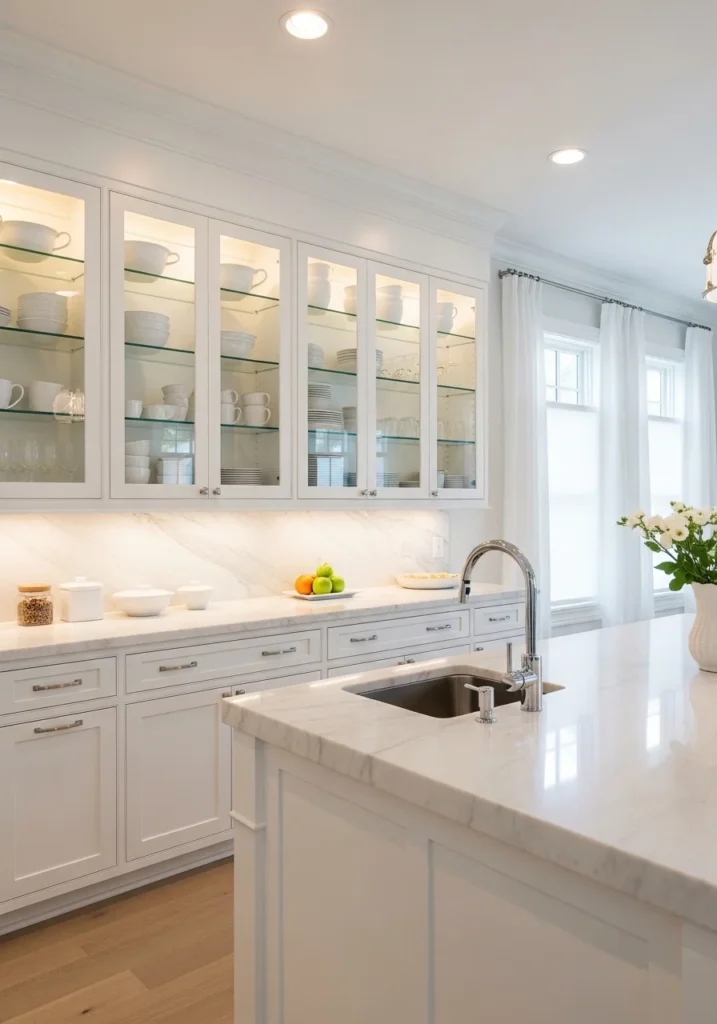
Solid white cabinets can feel like a long, unbroken wall, and I noticed that most in the evenings, when the kitchen seemed to close in around me. Swapping two doors for glass changed the rhythm completely, because suddenly there was depth, a glimpse of colour, and a reason to keep the shelves inside tidy. I display my prettiest glasses and a few pale bowls behind them, and the soft light inside makes the whole run feel less like storage and more like a dresser. It is a gentle change, not a dramatic one, yet it stops the kitchen feeling boxy and gives the white cabinets a lighter, more considered look.
How to do it: Replace the doors on one or two upper cabinets with clear glass, or choose frosted or ribbed glass for a softer, partly hidden look. Fit a small LED light inside, arrange items in groups of three, and keep the front row tidy. Clean the glass inside and out each week.
9. Add a White Kitchen Island as a Focal Point
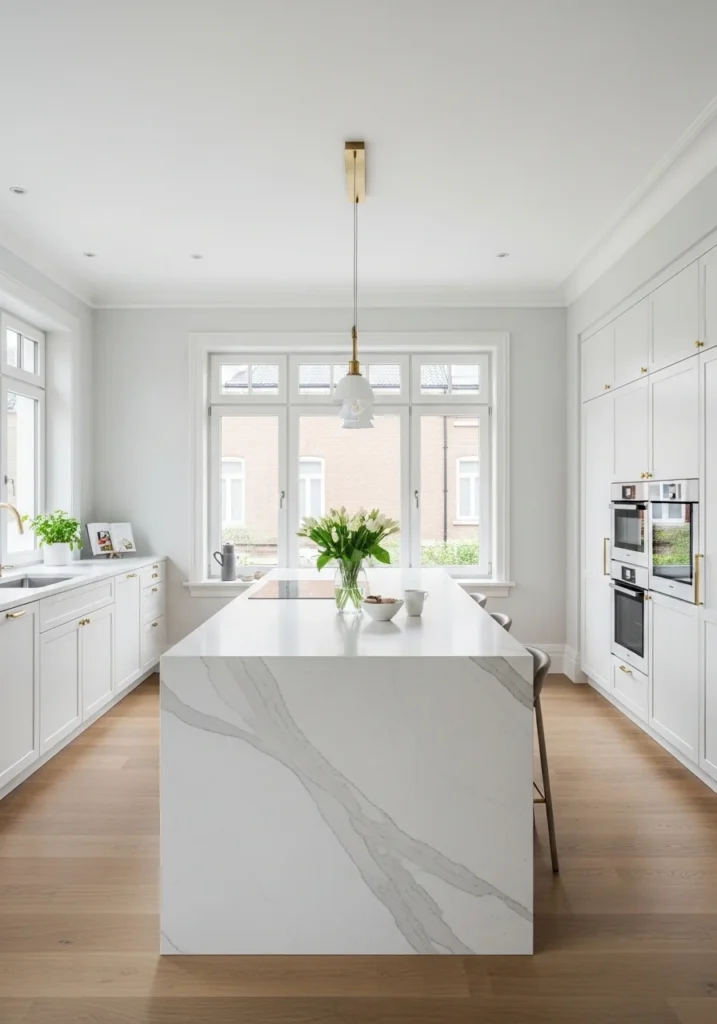
When we first talked about an island, I worried it would crowd the room, yet now I cannot imagine cooking without that broad white surface in the middle. It is where I chop vegetables, where the children do homework, and where friends gather with a glass of wine while dinner is still on the hob. A white island keeps the room feeling open, because it blends with the cabinets, while its size gives the kitchen a clear centre and a natural place to pause. If a full island will not fit your room, these kitchen peninsula ideas show how a narrow ledge can offer much of the same seating and workspace in a smaller footprint.
How to do it: Measure the walkways first, leaving at least 90 centimetres clear on the working sides. Choose an island with storage on one side and seating on the other, and top it in wood or stone for gentle contrast. Add two or three stools, check legroom, and keep the top clear with a nightly two-minute reset.
10. Add Subtle Metallic Accents
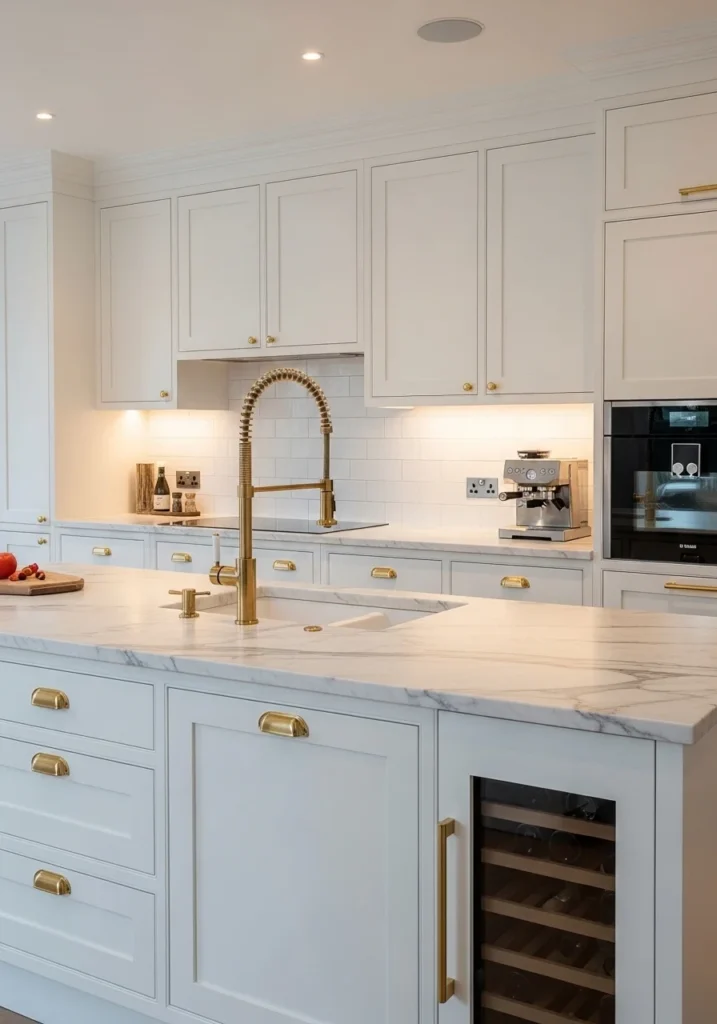
Plain white can feel a little flat on a dull day, and I first noticed it in winter, when the light was grey and the kitchen seemed to lose its sparkle. A few brass handles were my answer, and their soft golden glow caught even the weakest daylight, warming the cabinets in a way paint never could. I kept to one metal throughout, so the handles, tap and light fittings speak to each other, and the effect feels calm rather than glittery. Metallics are best used sparingly, I think, like jewellery: just enough to catch the light, never so much that they compete with the room itself.
How to do it: Pick one metal, such as brushed brass, copper or nickel, and use it for handles, the tap and one light fitting. Keep the finish consistent, fit handles at the same height, and polish them occasionally with a soft cloth. Avoid mixing metals, which can make a white kitchen look unsettled.
11. Use White-on-White Layering for Depth
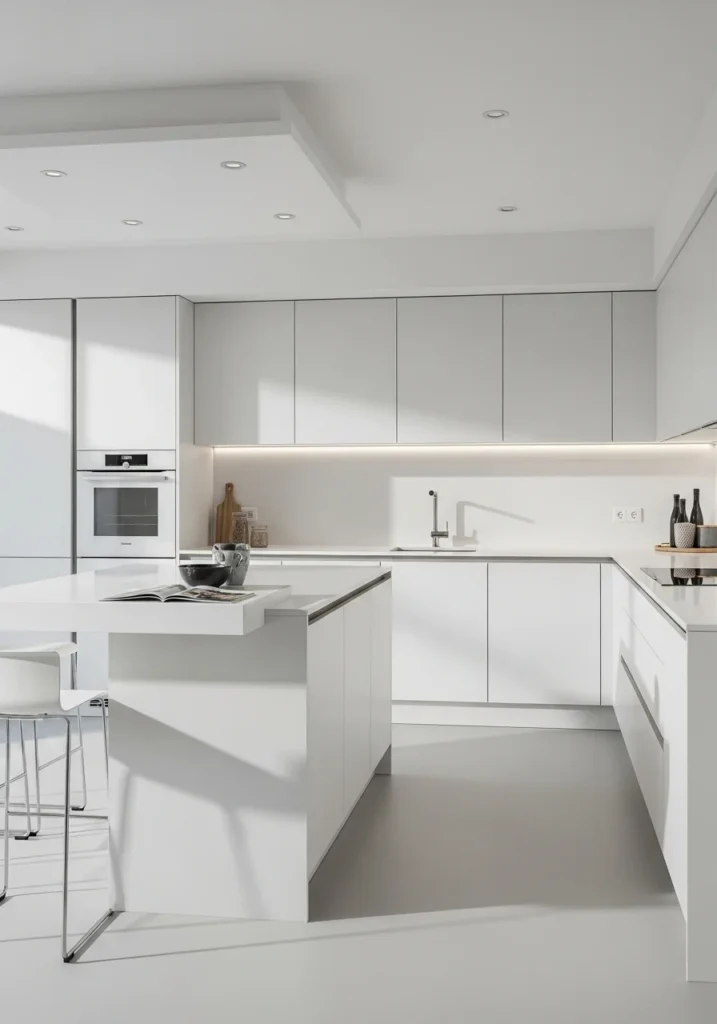
White on white sounds like a recipe for a blank room, and I admit I hesitated, yet the layered kitchen I visited last spring changed my mind entirely. There, matt walls met glossy tiles, a woven rug softened the floor, and a linen blind filtered the light, so every surface felt different under my hand. That visit taught me that texture does the work colour usually does, giving the eye plenty to notice while the palette stays calm and restful. Now I look for contrast I can feel as well as see, because a kitchen that is interesting to touch is one I enjoy spending time in.
How to do it: Combine at least three textures, such as smooth cabinets, a lightly rough plaster or tile, and a woven or linen detail. Keep the whites close in tone, repeat one texture in two places, and test samples together in daylight. Add a matt finish beside a gloss finish so the layers read clearly.
12. Bring in Soft Textiles for Warmth
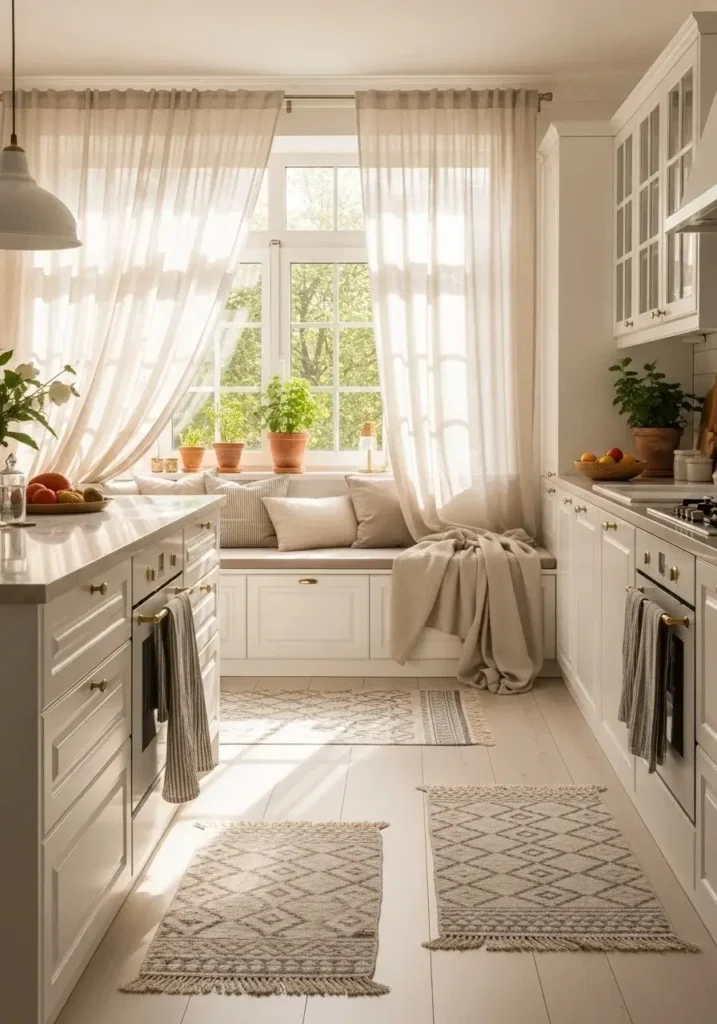
A white kitchen can feel hard underfoot and rather echoey, and I first felt it on a cold morning, when the tiled floor and bare surfaces seemed to amplify every sound. A washable cotton rug by the sink was the first softening touch, followed by linen curtains that filtered the light and a few folded tea towels in pale, natural shades. Those simple fabrics changed the acoustics and the mood, making the kitchen feel like a room to sit in, not just a place to cook and leave. I choose light, washable fabrics now, because a kitchen needs textiles that can cope with spills, steam and the occasional splash of tomato sauce.
How to do it: Lay a low-pile, washable rug in front of the sink or cooker, with a non-slip backing. Hang linen or cotton curtains, or a simple blind, in a pale shade. Choose washable tea towels and a cushioned seat pad, wash them regularly, and keep spare sets so the kitchen never looks tired.
13. Add Natural Stone Elements
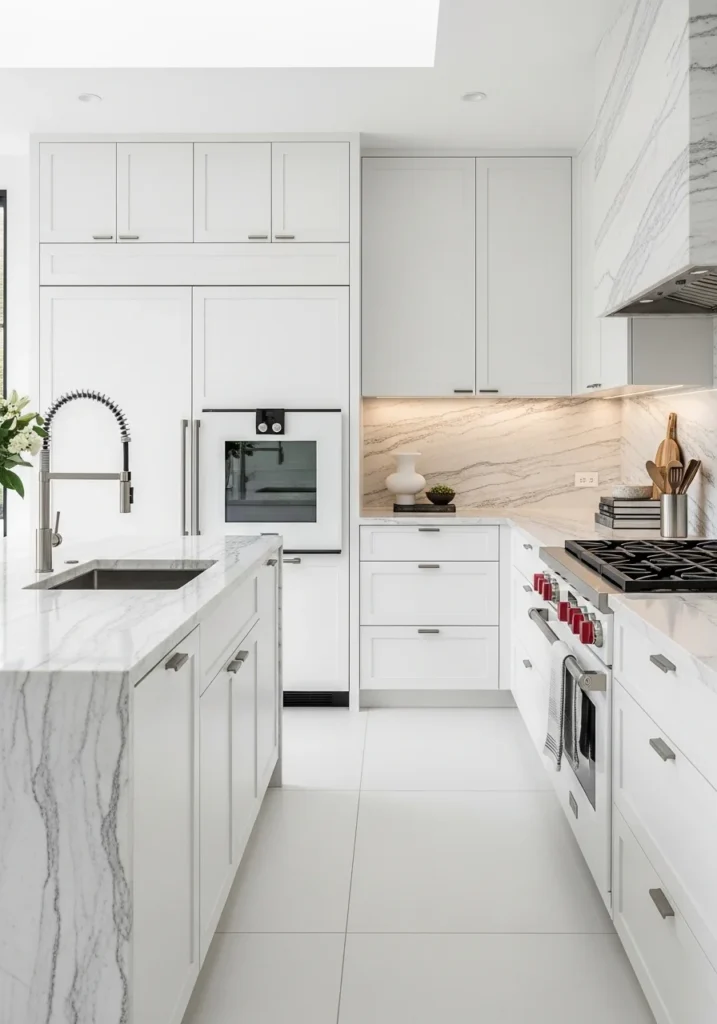
Stone was the element I had overlooked, because I thought of it only as worktops, until I held a piece of pale travertine and felt its cool, uneven surface. That texture reminded me that a kitchen is a natural place, full of water, heat and food, and a little stone brings that feeling indoors in a quiet, grounded way. I now have a stone chopping board, a small marble tray and a pale stone splashback, and each one breaks the smooth whiteness with its own soft, organic marks. Together they make the room feel less manufactured, as though it has grown slowly over time, which is exactly the feeling I want in a family kitchen.
How to do it: Introduce stone in small pieces first, such as a chopping board, a tray or a splashback, before committing to a full worktop. Choose stones with soft veining and light tones so the room stays bright. Seal porous stone as advised, wipe it after cooking, and avoid harsh cleaners that can dull the surface.
These Amazing Ideas Are Also Worth a Look
Kitchen Ideas for Small Spaces
Black and White Countertops Kitchen Ideas
19 Kitchen With Black Countertops Ideas That Feel Stylish, Warm & Effortlessly Modern
14. Use Statement Lighting in White Kitchen Ideas
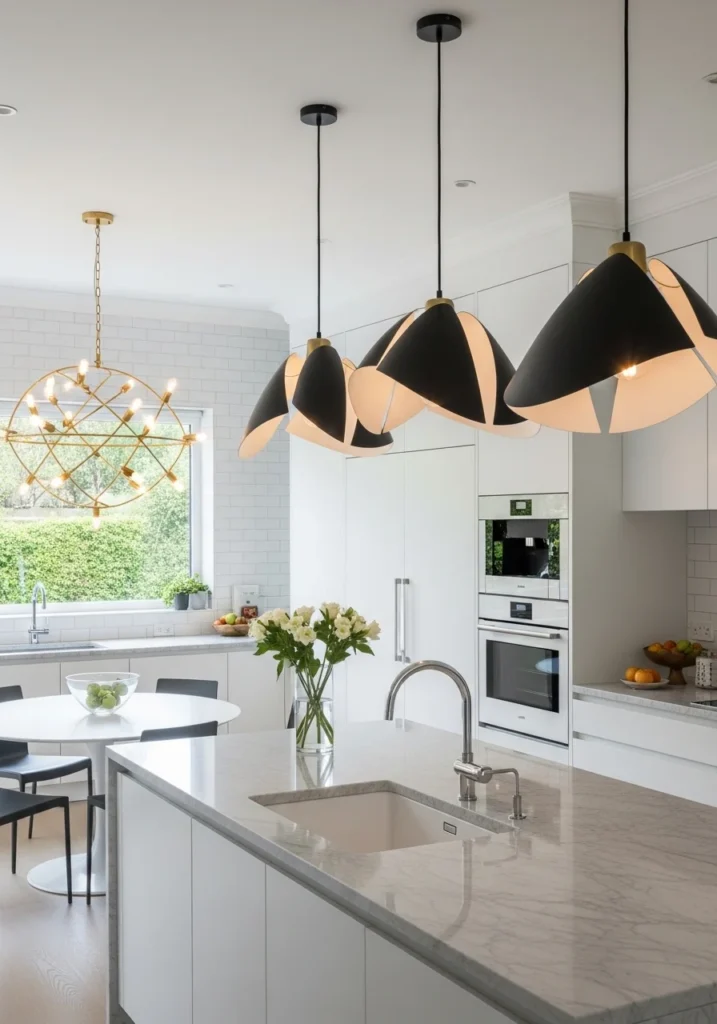
For years my kitchen had a plain ceiling light that did its job and nothing more, and I barely noticed it until I visited a friend whose pendant stopped me at the door. Her large, sculptural light hung over the island like a piece of art, drawing my eye upwards and giving the whole white room a focal point it had been missing. I chose a simpler version for my own kitchen, with a warm finish and a shape I loved, and it has become the detail visitors comment on first. Good lighting does more than illuminate, I have learned: it sets the mood, frames the room, and turns an ordinary evening meal into something a little more special.
How to do it: Choose one statement pendant or chandelier for the island or table, sized to about a third of the island length. Hang it 75 to 90 centimetres above the worktop, on a dimmer, and check it does not block sightlines. Keep other lights simple so the statement piece can shine.
15. Keep the Layout Open and Airy
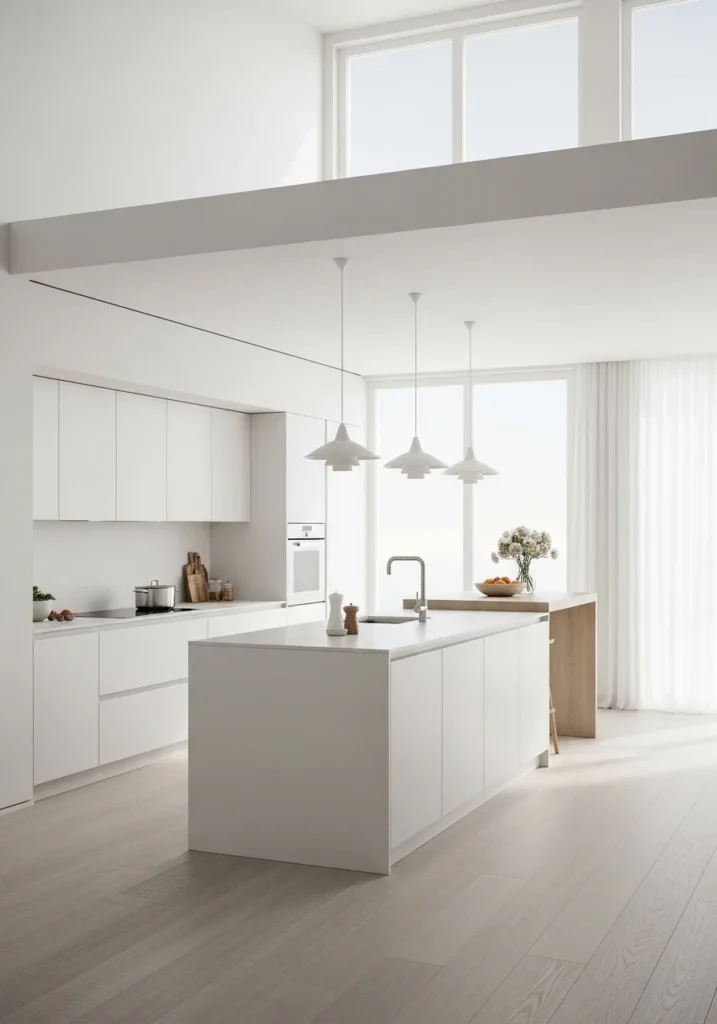
My old kitchen was divided by a tall cabinet and a cluttered dresser, and I had not realised how much those pieces were closing the room in until they were moved. Once the space was clear, light travelled from the window to the far wall, the white cabinets seemed brighter, and cooking felt less like working in a corridor. An open layout is not about having a large room, I have found; it is about leaving space for light and movement, and letting the white surfaces do their quiet work. These small apartment kitchen ideas are useful here too, because many of their tricks for clear worktops and slim storage help a white kitchen of any size stay airy.
How to do it: Remove one bulky piece, such as a tall dresser or extra table, and see how the light moves. Keep worktops clear, store appliances in cabinets, and leave some empty wall space. Use a slim island or trolley for extra surface, and do a quick clear-up each evening so the openness lasts.
16. Add Greenery for a Fresh Touch
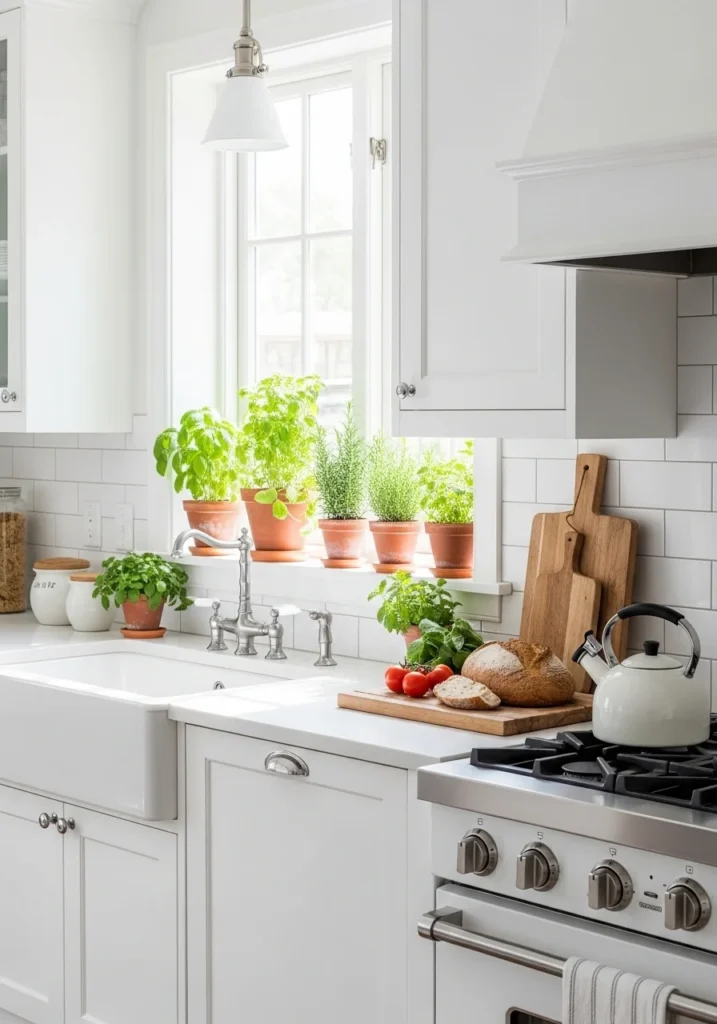
A white kitchen without any green can feel a little like a laboratory, and I first noticed it when a friend brought me a small pot of basil as a housewarming gift. That one plant, sitting by the window, softened the whole room, and its scent when I brushed past it made cooking feel more alive and seasonal. Now I keep herbs on the sill, a trailing plant on a high shelf, and a simple vase of eucalyptus on the table, and each one brings a different shade of green. Plants also remind me to slow down, because watering them and snipping herbs has become a small, happy ritual at the start of every meal I cook.
How to do it: Start with hardy herbs such as basil, mint and rosemary in pots with drainage holes, on a sunny sill. Add one trailing plant on a high shelf, away from steam, and water little and often. Trim herbs regularly to encourage growth, and replace any plant that struggles rather than letting it fade.
17. Incorporate Subtle Patterns
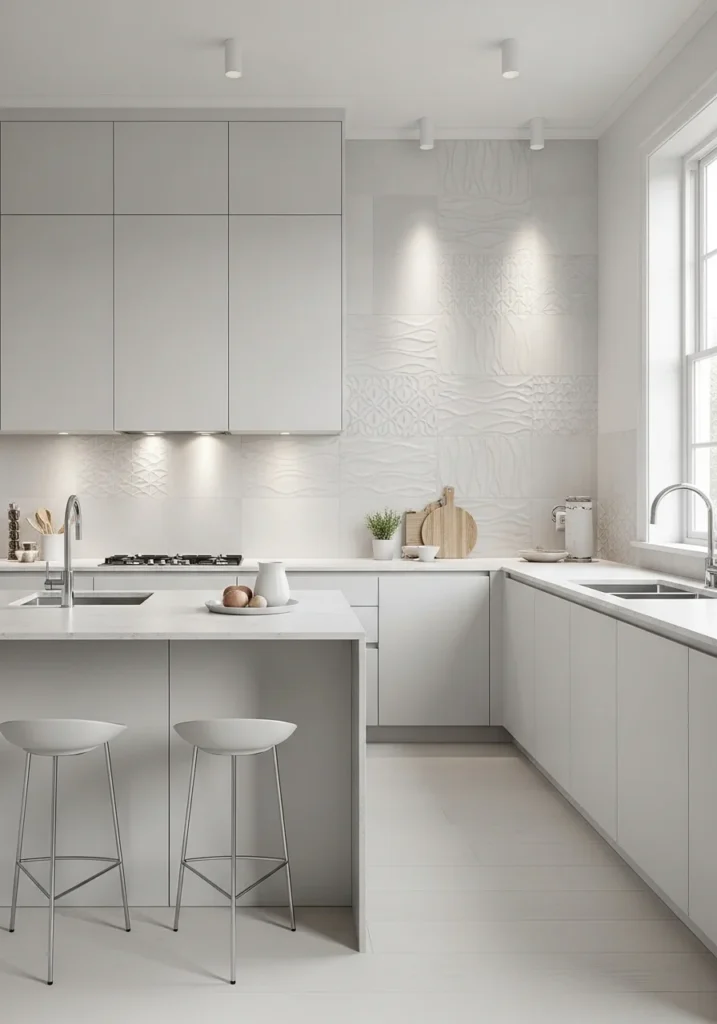
I used to avoid pattern in a white kitchen, worried it would spoil the calm, until I saw a backsplash with the faintest grey motif and realised how quietly it worked. The pattern was so subtle that I almost missed it at first, yet it gave the wall a gentle rhythm and stopped the white tiles feeling like a blank sheet. Now I look for patterns that whisper rather than shout: a lightly veined tile, a woven blind, or a floor tile with a soft, faded motif. Used sparingly, pattern adds personality without disturbing the peace of the room, and it helps a white kitchen feel designed rather than simply painted.
How to do it: Choose one patterned surface, such as a backsplash or floor tile, in pale neutral shades. Keep the motif small and repeat it at regular intervals, then keep everything else plain so the pattern can breathe. Order a sample, view it in daylight, and check it still feels calm at night.
18. Personalize with Simple Decor Details
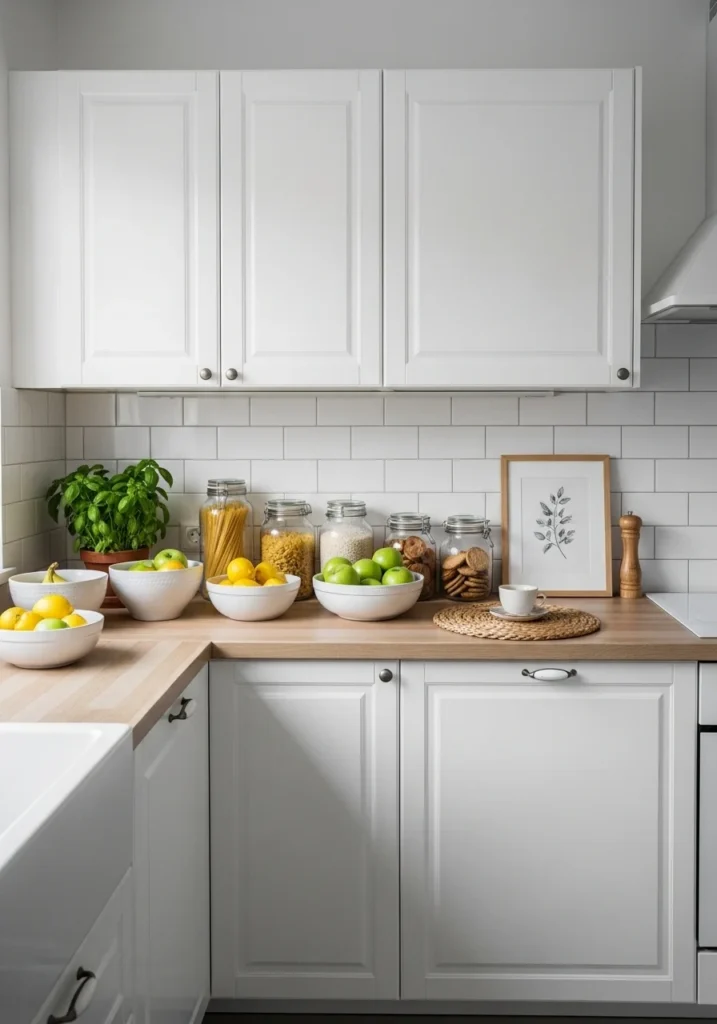
A white kitchen can look beautiful in a photograph and still feel like nobody lives there, and mine did, until I hung a framed print from our first holiday together. That small, personal touch changed the room, because suddenly the kitchen held a memory, not just a colour scheme, and guests began asking about the picture. I have added slowly since then: a favourite mug on an open shelf, a handmade bowl from a market, and a small photograph of my grandmother in her own kitchen. Each piece means something to us, and together they make the white room feel warm, lived in and unmistakably ours, which is the whole point of a home.
How to do it: Choose three or four meaningful pieces, such as a framed print, a favourite mug or a handmade bowl, and display them where you will see them daily. Keep the rest of the surfaces clear, group items in odd numbers, and rotate one piece each season so the kitchen stays fresh without becoming cluttered.
Frequently Asked Questions
How do I stop a white kitchen feeling cold or clinical?
Layer warm whites rather than using one stark shade, then add wood, soft textiles and warm lighting to soften the room. Choose bulbs around 2700K, keep one or two natural materials visible at all times, and avoid filling every surface with gloss. A white kitchen feels warm when something in it is soft, textured or alive, such as linen, timber or a pot of herbs.
What is the best white paint for kitchen cabinets?
There is no single best white, because daylight, artificial light and the other materials in your room all change how a shade looks. Test large swatches on the cabinet doors and walls, and view them in morning light, evening light and lamplight before you choose. In general, a warm white suits north-facing rooms, a cooler white suits very sunny rooms, and a durable satin finish is easier to wipe clean.
Are white kitchens hard to keep clean?
White shows marks more readily, yet it also shows you exactly where to clean, so small spills are dealt with before they become stains. Choose durable, wipeable finishes on cabinets and worktops, seal grout and natural stone, and wipe the cooker and sink area after each meal. A quick daily wipe and a deeper clean once a week are usually enough to keep a white kitchen looking bright.
What worktop goes best with white cabinets?
Marble and marble-look quartz are the classic choices, because their soft veining adds interest without introducing a strong colour. Warm wood is a lovely alternative if you want a cosier, more relaxed feel, while pale stone keeps the look calm and timeless. Choose the worktop for how you cook as well as how it looks, and order samples to view beside your cabinet doors first.
Can a white kitchen work in a small kitchen?
Yes, white is one of the best choices for a small kitchen, because pale surfaces reflect light and make the walls feel further apart. Keep the layout open, use glass doors or open shelves on one run only, and store appliances away so the worktops stay clear. A slim island, a peninsula or a rolling trolley can add workspace without closing the room in.
Your White Kitchen Checklist
☐ Test three white paint swatches in daylight and lamplight before you commit.
☐ Choose a warm white for walls and a brighter white for the ceiling.
☐ Add one wooden piece, such as a stool, board or shelf, to warm the room.
☐ Fit warm white lighting under the cabinets, on a dimmer.
☐ Repeat black or brass accents in two or three places only.
☐ Keep open shelves pale, grouped and edited monthly.
☐ Seal marble or stone worktops and wipe spills straight away.
☐ Lay a washable rug in front of the sink.
☐ Add herbs on a sunny windowsill and water little and often.
☐ Use one patterned surface and keep the rest plain.
☐ Leave at least 90 cm clear around an island or peninsula.
☐ Display three or four meaningful pieces and keep other surfaces clear.
☐ Clean glass doors and tiles weekly so the white stays bright.
☐ Do a two-minute evening reset so the kitchen starts the day calm.
Conclusion
A white kitchen is not about chasing perfection or keeping every surface spotless. It is about light that lifts a grey morning, textures that feel good under your hand, and a calm backdrop for the meals, conversations and small everyday moments that happen around the table. When the whites are layered, the wood is warm, and the details are chosen with care, the room stops feeling like a showroom and starts feeling like home.
Start with the change that appeals to you most, whether that is a new paint shade, a wooden stool or a row of herbs on the sill. Live with it for a few weeks, notice how the light moves, and then choose the next small step. Your white kitchen does not need to be finished in a weekend to be beautiful; it simply needs to grow, gently and honestly, around the way you cook and live.
3 Comments