25 Podcast Room Ideas for a Stylish, Sound-Friendly Studio
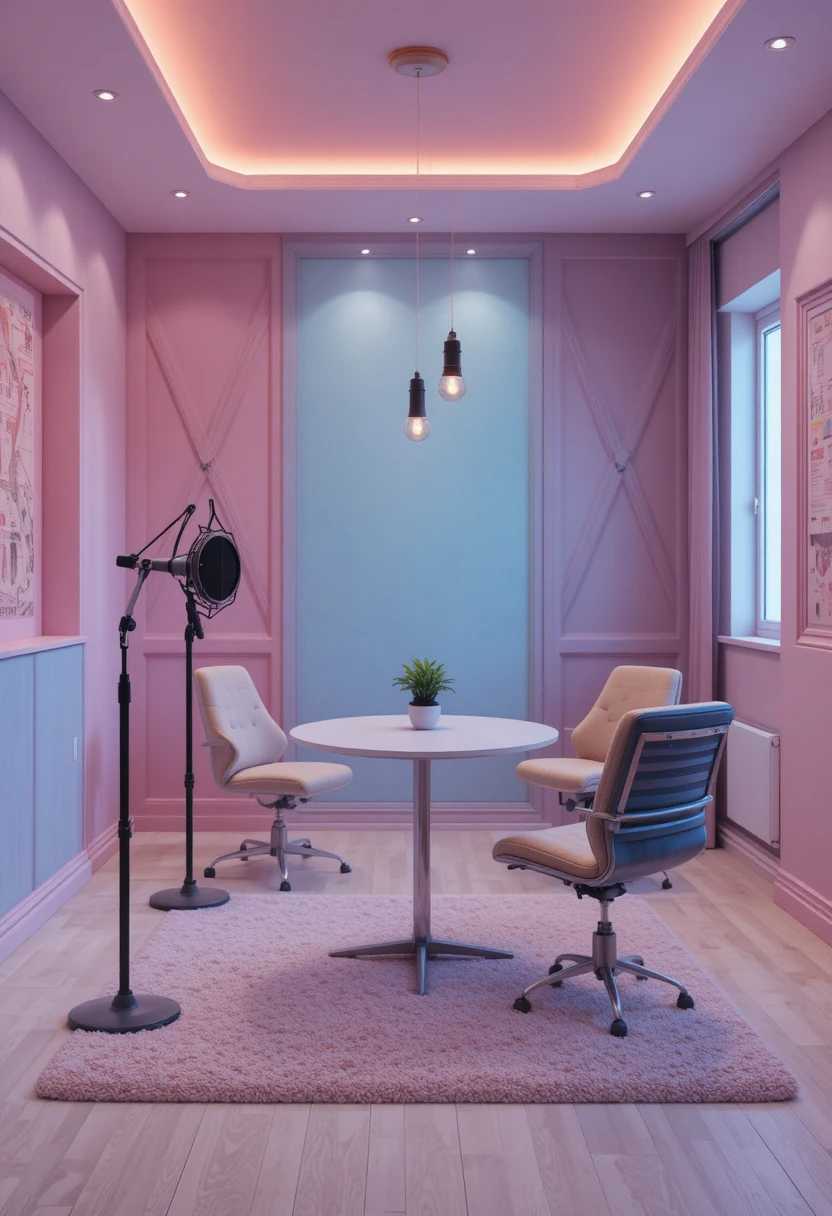
A dedicated podcast room lets you record with confidence, blending good acoustics, comfortable seating, and a stylish backdrop that looks great on camera. Whether it is a spare room, a corner, or a converted closet, the right setup makes recording sound clear and feel professional. In my own home, creating a podcast space made recording far easier and more enjoyable. With sound treatment, smart lighting, and a considered backdrop, it becomes both functional and good-looking. Below are twenty five podcast room ideas, shared with warmth and a few practical tips, along with simple steps to help you bring each one to life.
Key Takeaways
• Treat the sound: Add acoustic panels, rugs, and soft furnishings to reduce echo and improve audio.
• Style the backdrop: Create a considered background with shelves, art, or a feature wall for video.
• Light it well: Add soft, flattering lighting that suits both recording and being on camera.
• Keep it comfortable: Comfortable seating and a good desk make longer sessions easier.
• Tidy the cables: Manage cords and gear so the space looks clean and professional.
1. Add Acoustic Panels
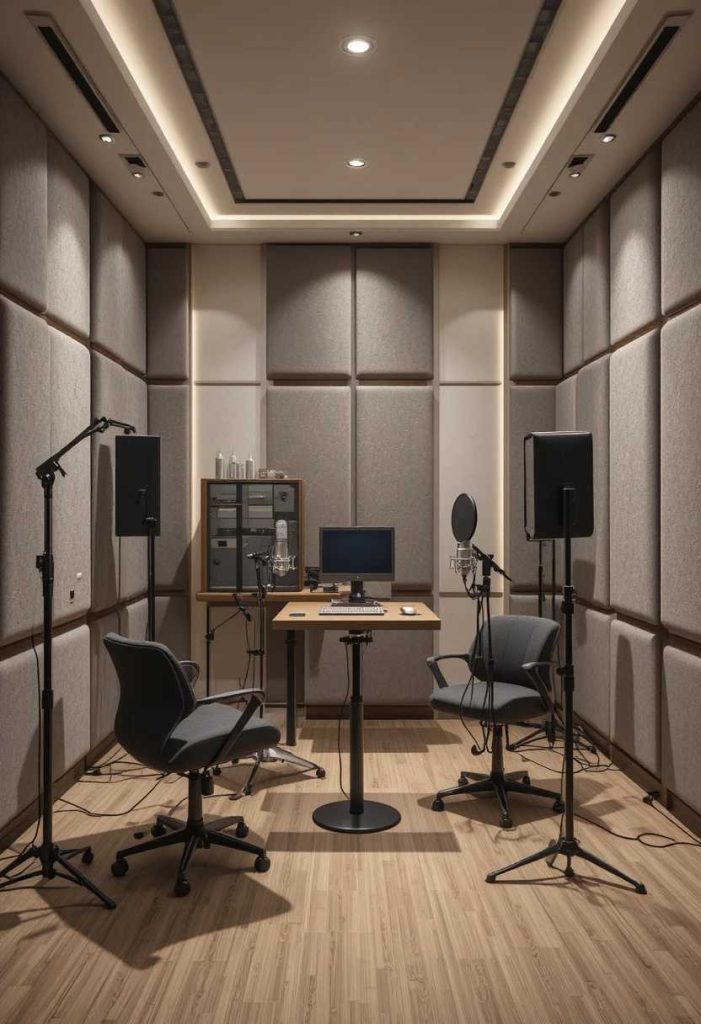
Panels on the walls reduce echo and sharpen the sound. They are the key to good audio. In my home, panels made recordings sound clear. It is the loveliest place to begin.
How to do it:
Add acoustic foam or fabric panels to the walls. Place them where sound reflects most. Choose a colour that suits the room. Mount them securely. Let them reduce echo.
2. Add a Thick Rug
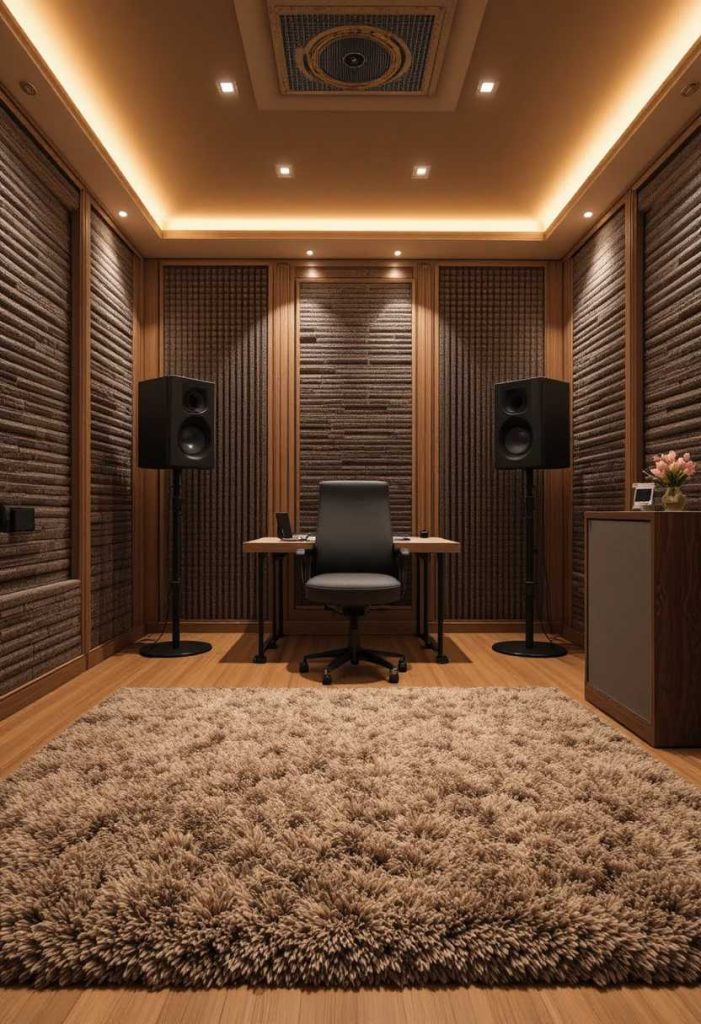
A soft rug absorbs sound from the floor. It warms the audio and the room. Mine cut the echo underfoot. It is a smart way to improve sound.
How to do it:
Add a thick, soft rug to the floor. Choose a dense pile. Size it to cover hard flooring. Add a non slip pad. Let it absorb sound.
3. Style a Considered Backdrop
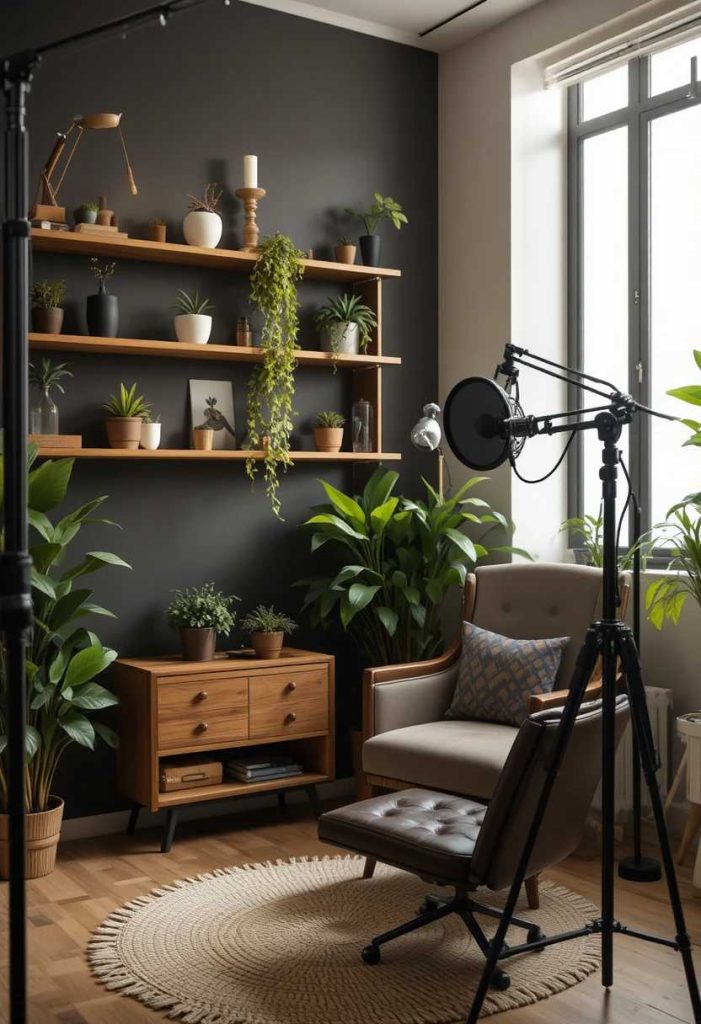
A styled background looks professional on camera. It adds personality and depth. Mine has shelves and plants behind me. It is a lovely way to add character.
How to do it:
Style the backdrop with shelves, art, or plants. Add depth and personality. Keep it tidy, not too busy. Leave space between you and it. Let it look professional.
4. Add Soft, Flattering Lighting
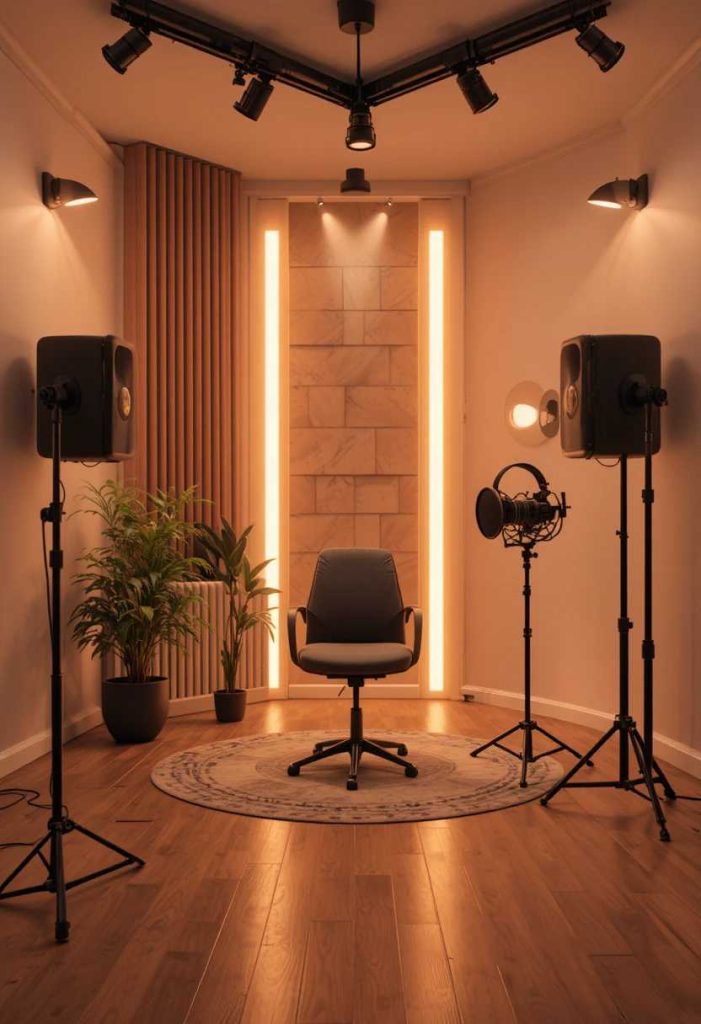
Soft light flatters you on camera and sets the mood. It avoids harsh shadows. Mine make recordings look lovely. It is a lovely way to add function.
How to do it:
Add a key light or softbox in front. Avoid harsh overhead light. Add warm ambient lighting for mood. Use a ring light if simpler. Let it flatter on camera.
5. Add Comfortable Seating
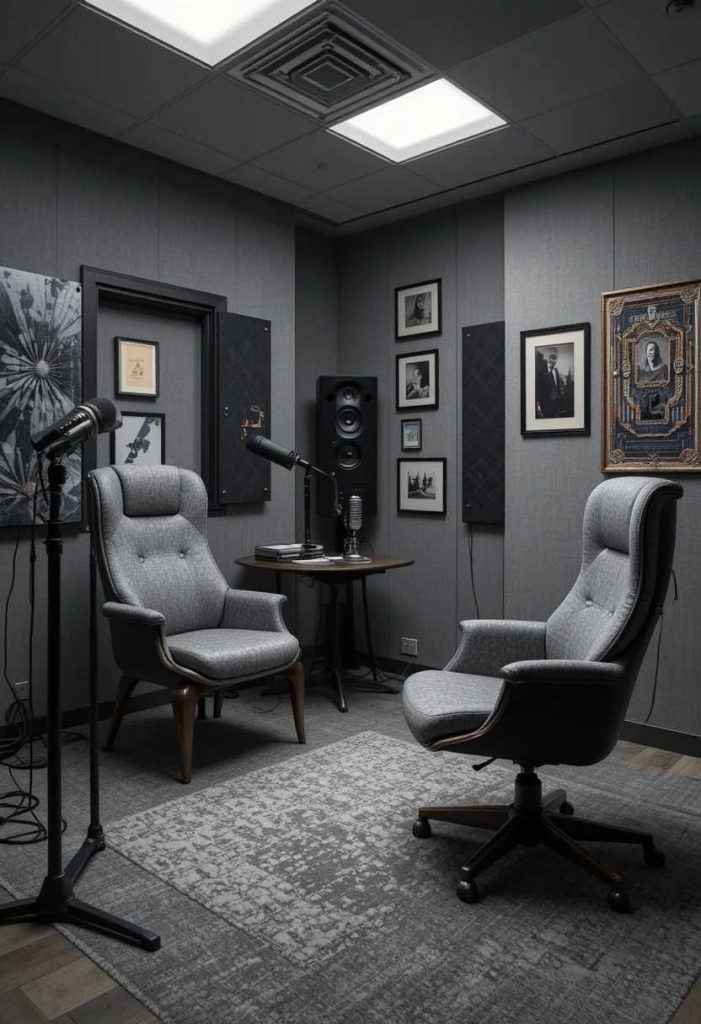
A supportive chair makes longer sessions easier. Comfort matters for recording. Mine keeps me comfortable throughout. It is a caring, practical choice.
How to do it:
Choose a comfortable, supportive chair. Ensure good ergonomics. Keep it quiet, avoiding squeaks. Add a cushion if needed. Let it ease longer sessions.
6. Add Curtains at Windows
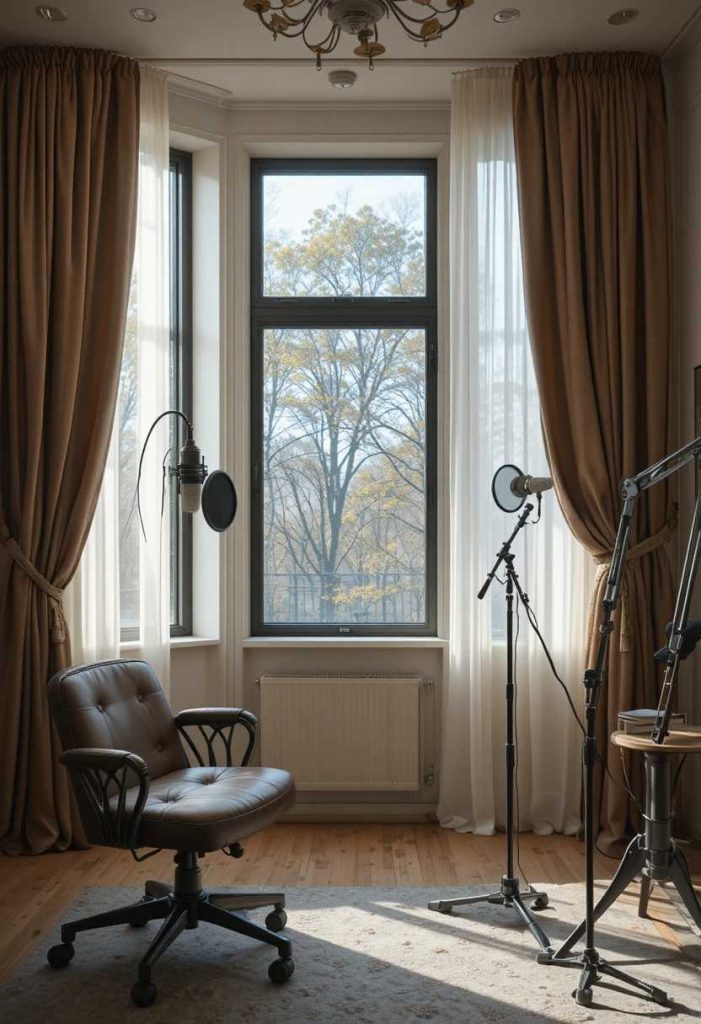
Curtains absorb sound and control light. They improve both audio and camera. Mine soften echo and glare. It is a smart way to improve sound.
How to do it:
Add heavy or lined curtains at windows. They absorb sound and block glare. Choose a colour that suits. Draw them while recording. Let them improve audio and light.
7. Add a Feature Wall
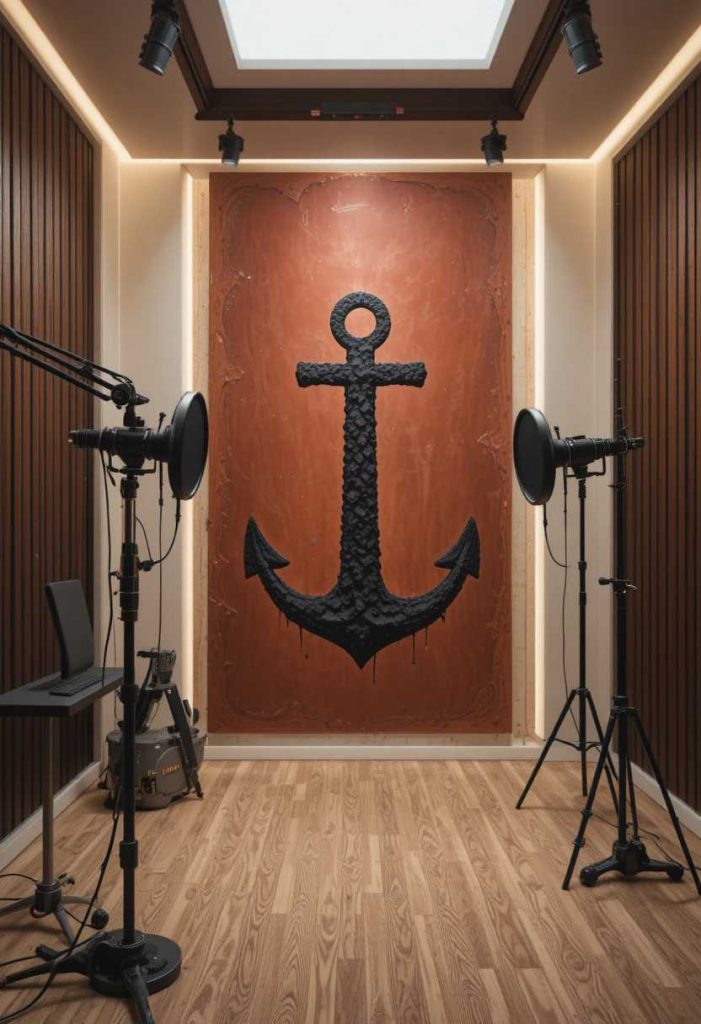
A rich painted or panelled wall makes a striking backdrop. It adds depth on camera. Mine anchors the shot beautifully. It is a striking way to add character.
How to do it:
Paint or panel a wall behind you. Choose a rich, deep colour. Keep it uncluttered. Let it add depth on camera. Let it anchor the shot.
8. Manage the Cables
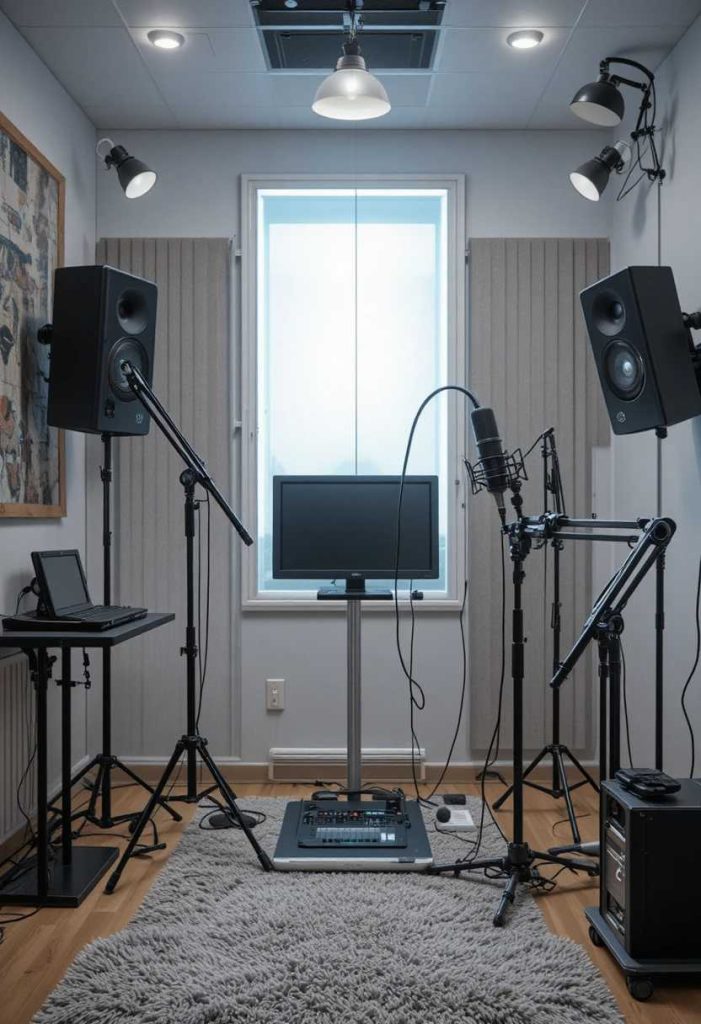
Tidy cables keep the space clean and professional. Hidden cords look sharp. Mine banished the tangle. It is a practical, satisfying touch.
How to do it:
Bundle cables with clips and sleeves. Route them behind the desk. Hide power strips in a box. Label the important ones. Keep the setup clean.
9. Add a Good Desk
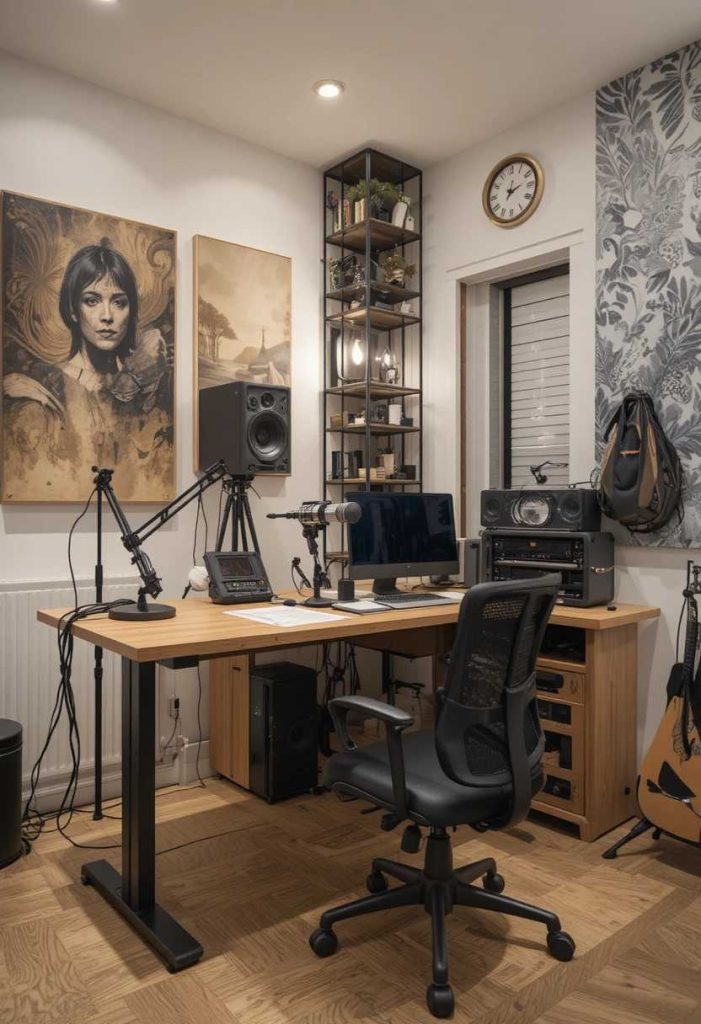
A solid desk holds your gear and gives room to work. It anchors the studio. Mine keeps everything organized. It is a lovely way to add function.
How to do it:
Choose a sturdy desk for your gear. Ensure room for the mic and screen. Keep it a comfortable height. Add a mic arm. Let it anchor the studio.
10. Add Styled Shelves Behind
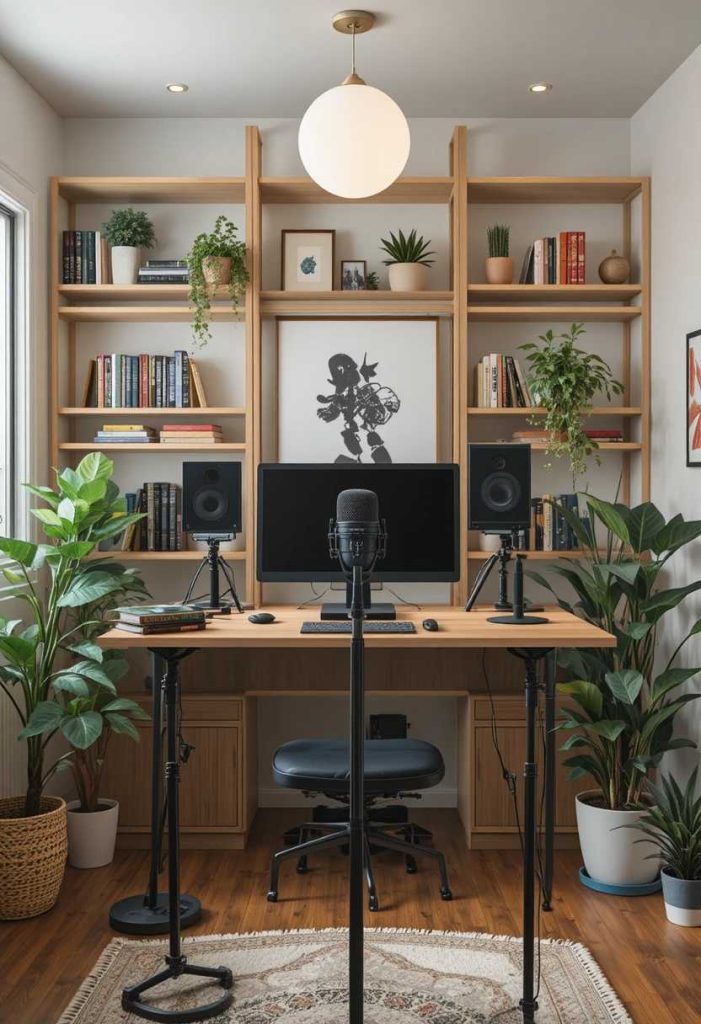
Shelves of books and decor add a lovely backdrop. They give depth and personality. Mine look great on camera. It is a lovely way to add character.
How to do it:
Add shelves behind your recording spot. Style them with books, plants, and decor. Keep them tidy and balanced. Vary the heights. Let them add a lovely backdrop.
11. Add Greenery
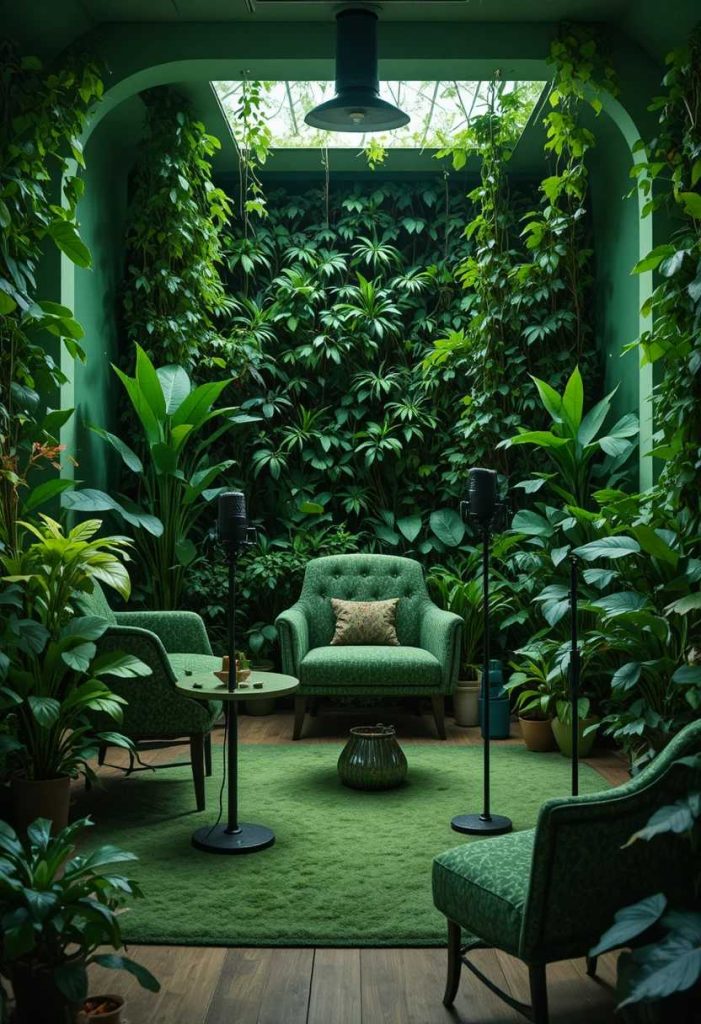
Plants soften the studio and look great on camera. The green adds life. Mine bring a fresh touch. It is a lovely way to add freshness.
How to do it:
Add plants around the studio and backdrop. Choose easy, sculptural species. Vary the sizes. Water them regularly. Let them soften and freshen the space.
12. Add a Neon or Light Sign
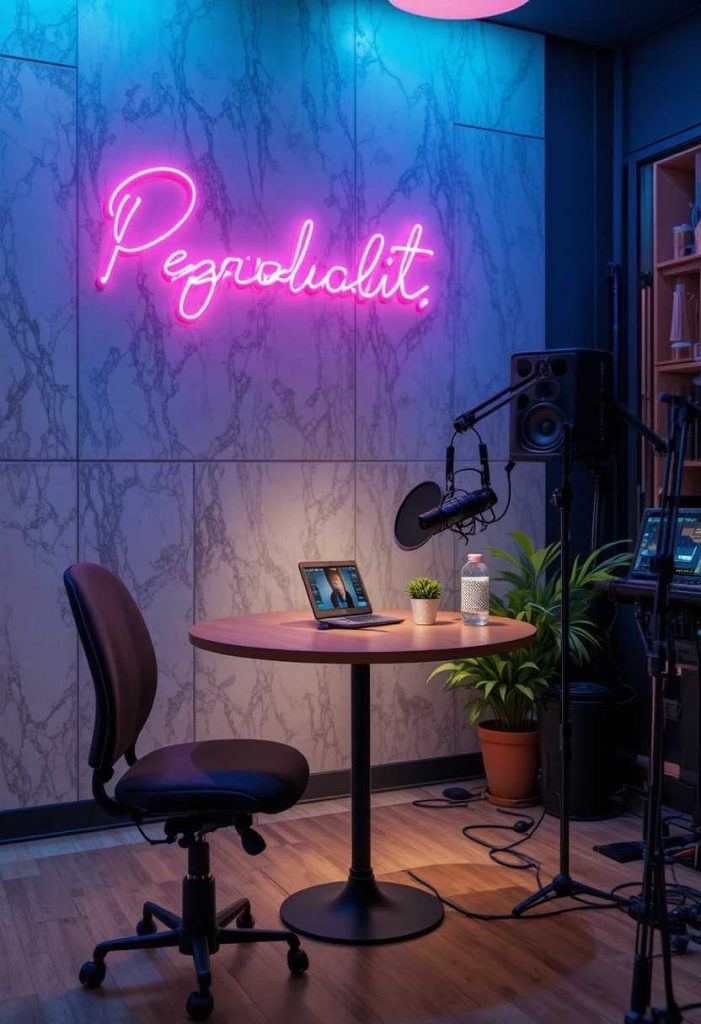
A neon sign adds personality and a modern backdrop glow. It looks cool on camera. Mine adds a signature touch. It is a lovely way to add character.
How to do it:
Add a neon or LED sign to the backdrop. Choose a word or shape you love. Keep it balanced. Ensure safe wiring. Let it add a modern glow.
13. Reduce Hard Surfaces
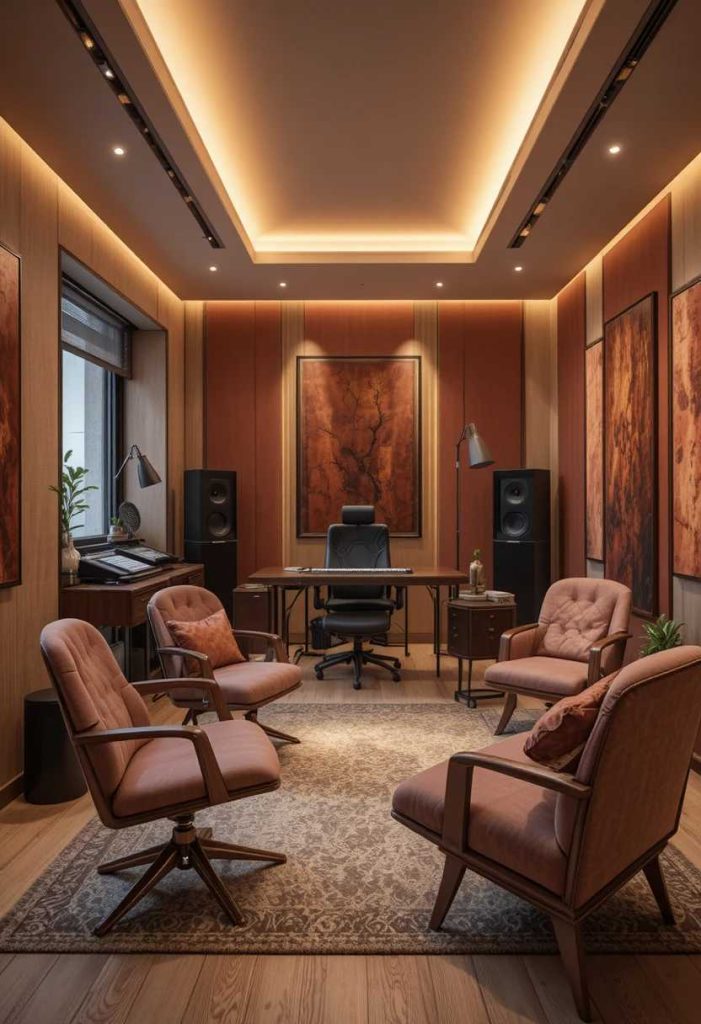
Softening hard, bare surfaces improves the sound. Less echo means clearer audio. Mine sound warm and clear. It is a smart way to improve sound.
How to do it:
Soften hard, bare surfaces with textiles. Add panels, rugs, and cushions. Avoid parallel bare walls facing each other. Fill the room a little. Let it warm the sound.
14. Add a Mic Arm
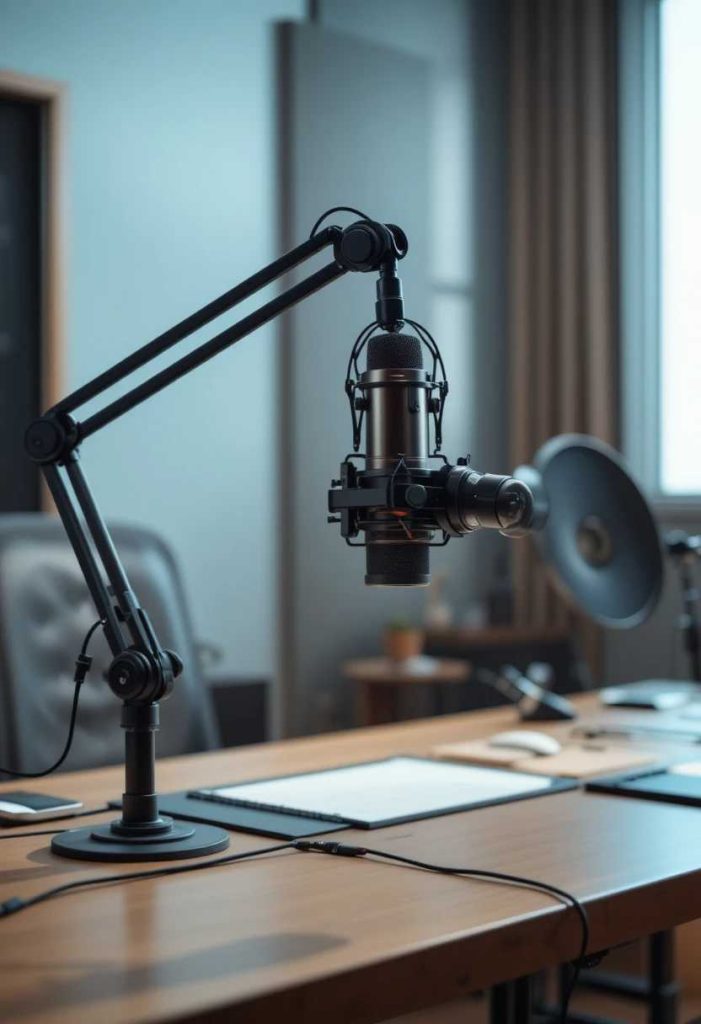
A mic arm frees desk space and positions the mic well. It looks professional. Mine keeps the desk clear. It is a smart way to add function.
How to do it:
Add a boom mic arm to the desk. Clamp it securely. Position the mic at the right distance. Route the cable neatly. Let it free desk space.
15. Add Warm Ambient Lighting
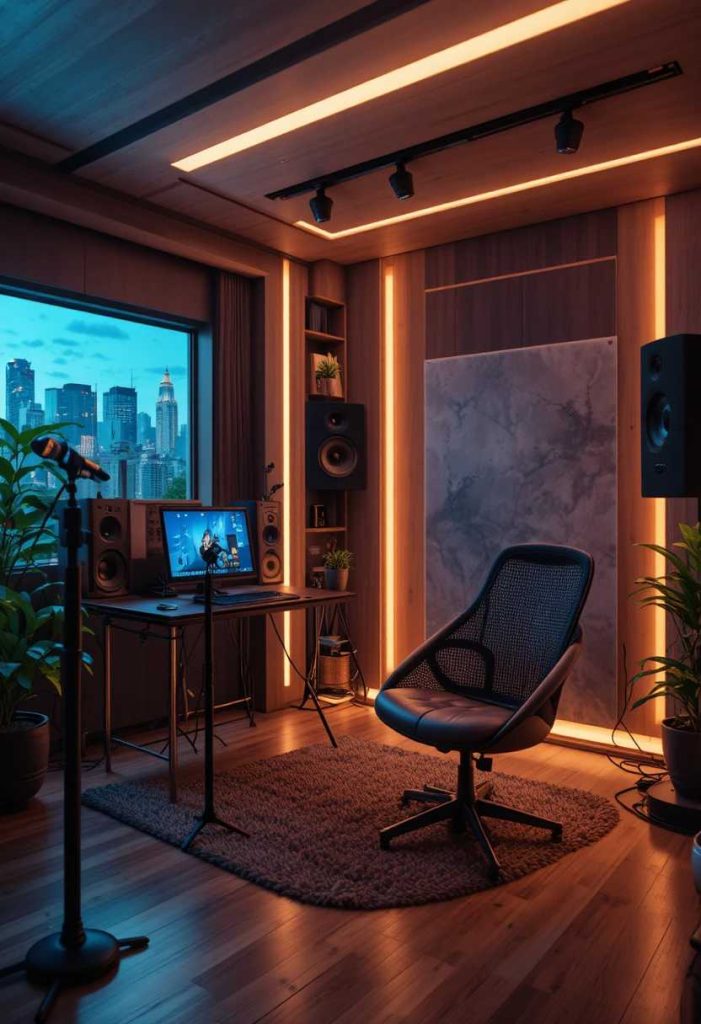
Warm background lighting adds mood and depth. It looks cozy on camera. Mine glow softly behind me. It is a lovely way to add ambiance.
How to do it:
Add warm ambient lights behind or beside you. Use LED strips or lamps. Choose a warm glow. Keep them out of the shot’s glare. Let them add mood.
16. Keep It Uncluttered
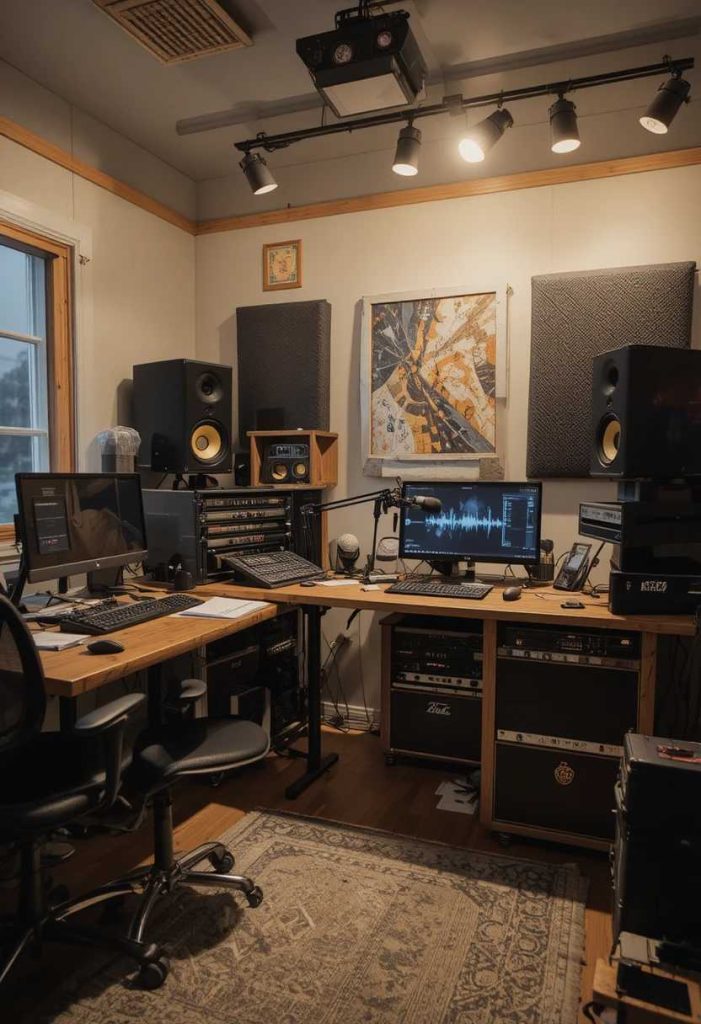
A tidy studio looks professional and calm. Clutter distracts on camera. Mine stays clean and focused. It is a simple habit full of ease.
How to do it:
Keep the studio uncluttered. Store gear and clutter away. Keep the backdrop tidy. Do a quick reset before recording. Let it look professional.
17. Add Headphone and Gear Storage
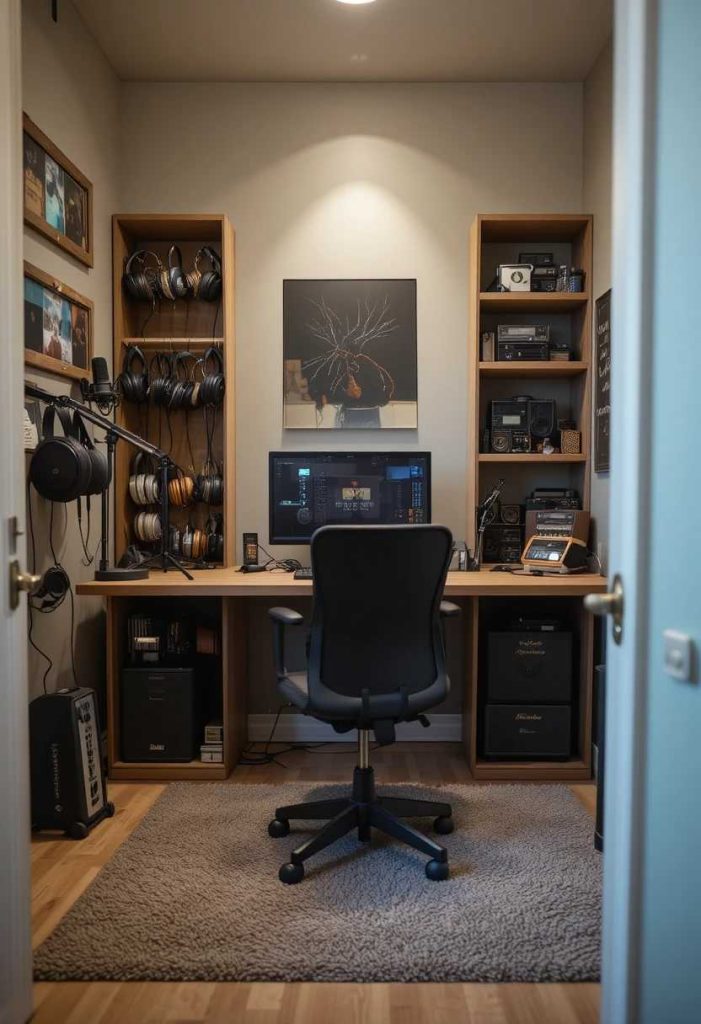
A spot for headphones and gear keeps things tidy. It stays organized. Mine keep everything handy. It is a practical, tidy touch.
How to do it:
Add hooks or a shelf for headphones and gear. Keep them handy and tidy. Store spares in a drawer. Keep cables managed. Let it stay organized.
18. Add a Personal Backdrop Touch
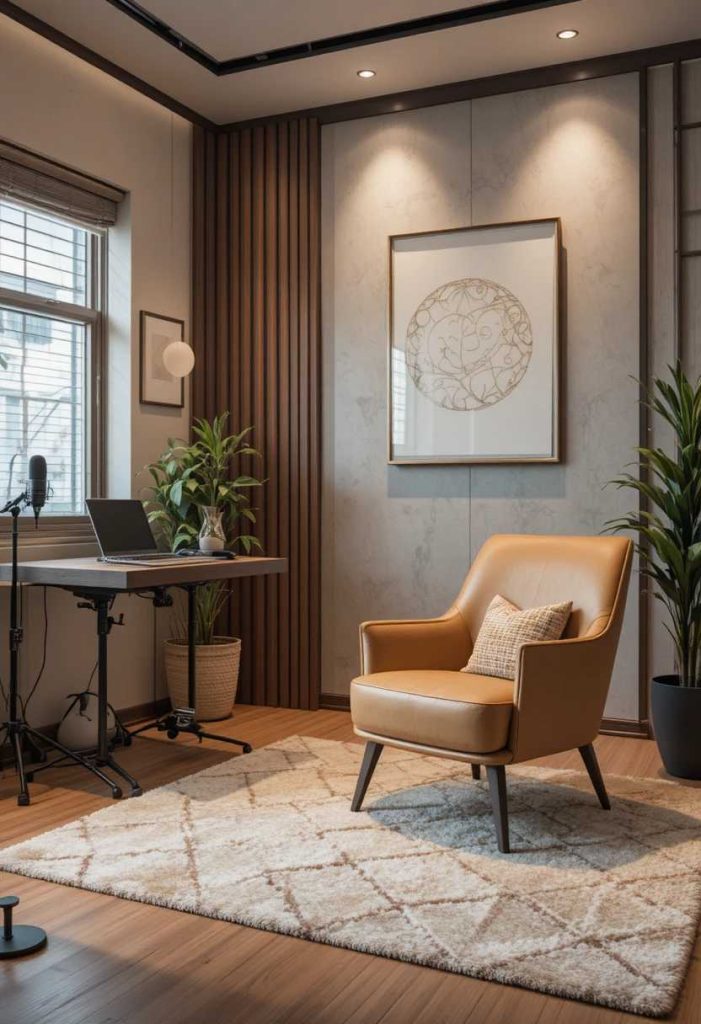
A meaningful piece behind you adds personality. It reflects your brand. Mine include a treasured item. It is a heartfelt way to add character.
How to do it:
Add a meaningful piece to the backdrop. Choose something that reflects you or your show. Keep it balanced. Style it simply. Let it add personality.
19. Add a Quiet, Draft-Free Spot
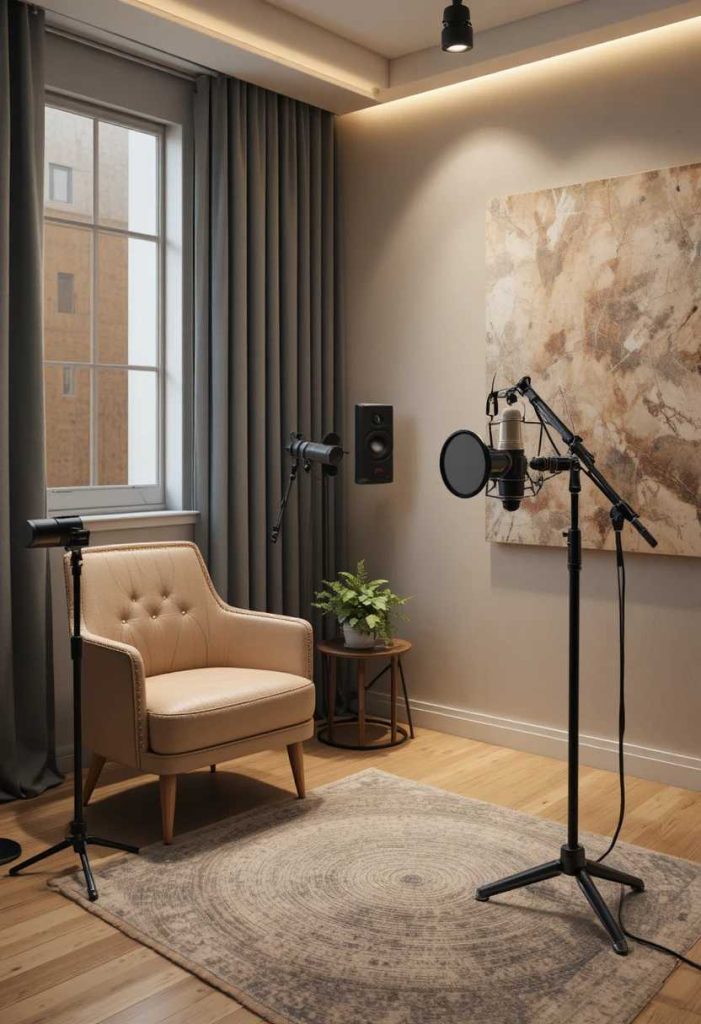
Choosing a quiet spot away from noise aids recording. Silence matters. Mine is peaceful and still. It is a smart way to improve sound.
How to do it:
Choose a quiet spot away from traffic and appliances. Reduce outside noise. Avoid drafty windows. Record at quiet times. Let the peace aid recording.
20. Add a Cohesive Colour Scheme
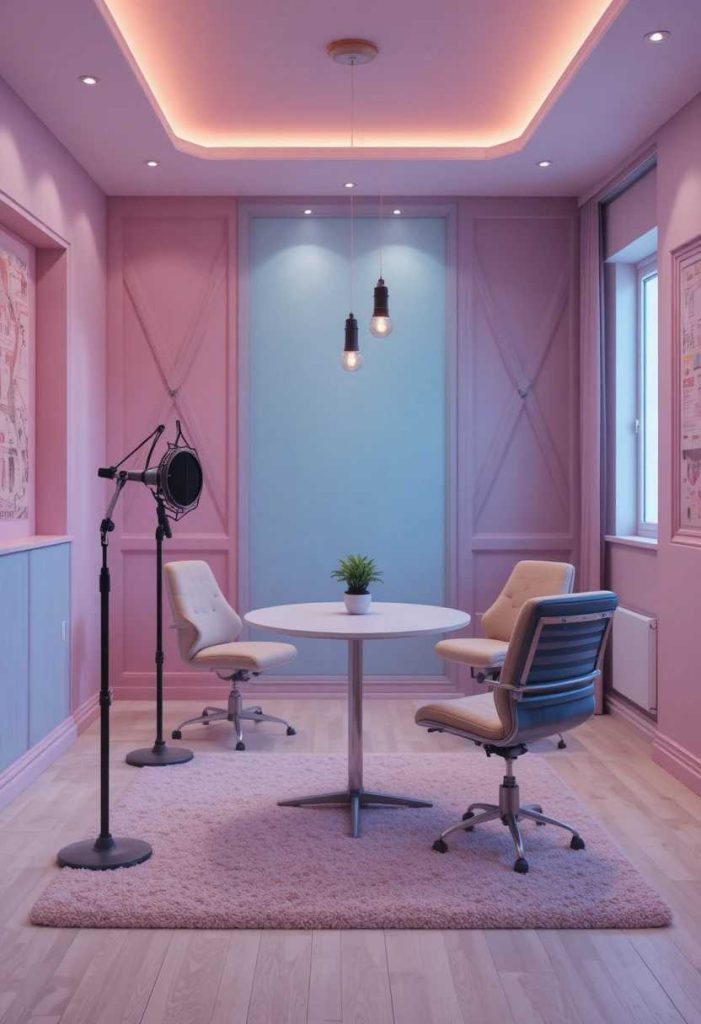
A considered palette makes the studio look polished. Cohesion reads well on camera. Mine feels pulled together. It is a lovely way to add harmony.
How to do it:
Choose a cohesive colour scheme. Match the backdrop, decor, and lighting mood. Keep it consistent. Avoid clashing colours. Let it look polished.
21. Add a Backdrop With Depth
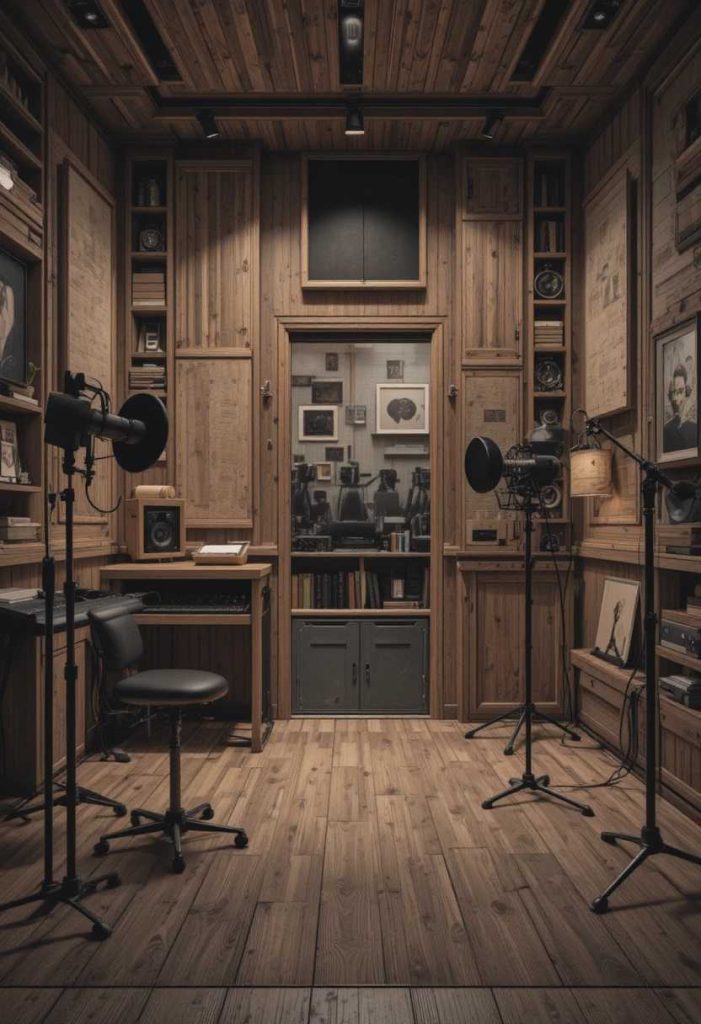
Leaving space behind you adds depth on camera. It avoids a flat look. Mine feels considered and pro. It is a smart way to add character.
How to do it:
Leave a little space between you and the backdrop. Add layered elements at different depths. Blur the background if filming. Keep it tidy. Let it add depth.
22. Add Comfortable Guest Seating
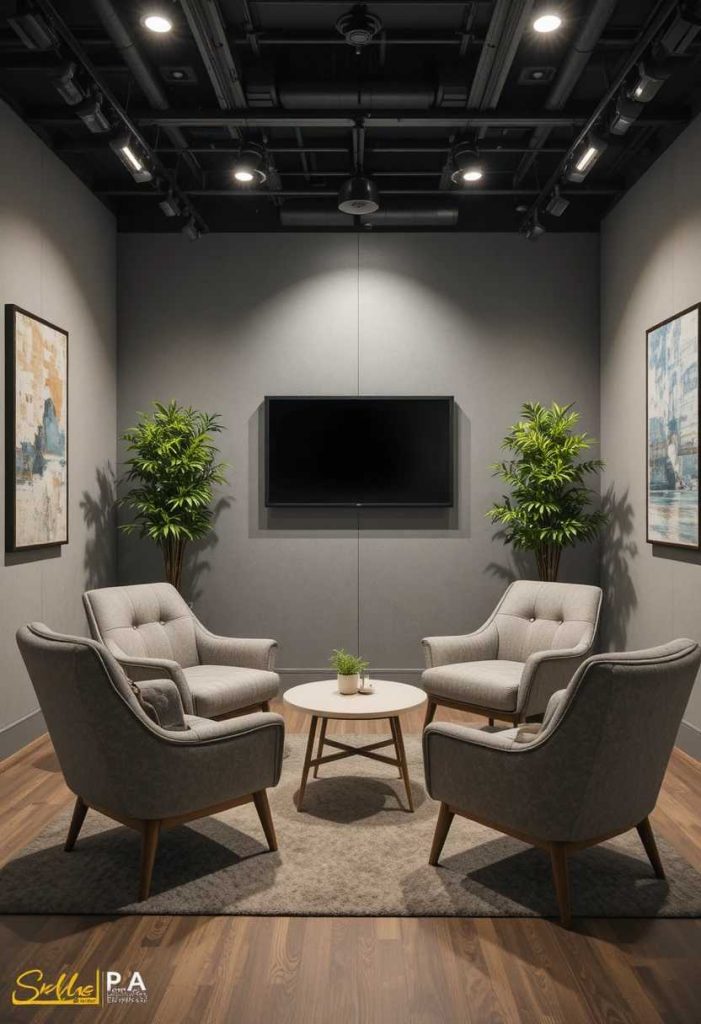
A second comfy seat welcomes guests. It suits interviews. Mine makes co-hosts comfortable. It is a lovely way to add function.
How to do it:
Add a comfortable second chair for guests. Match it to your setup. Position it for the mic and camera. Keep it quiet. Let it welcome guests.
23. Add Sound-Absorbing Decor
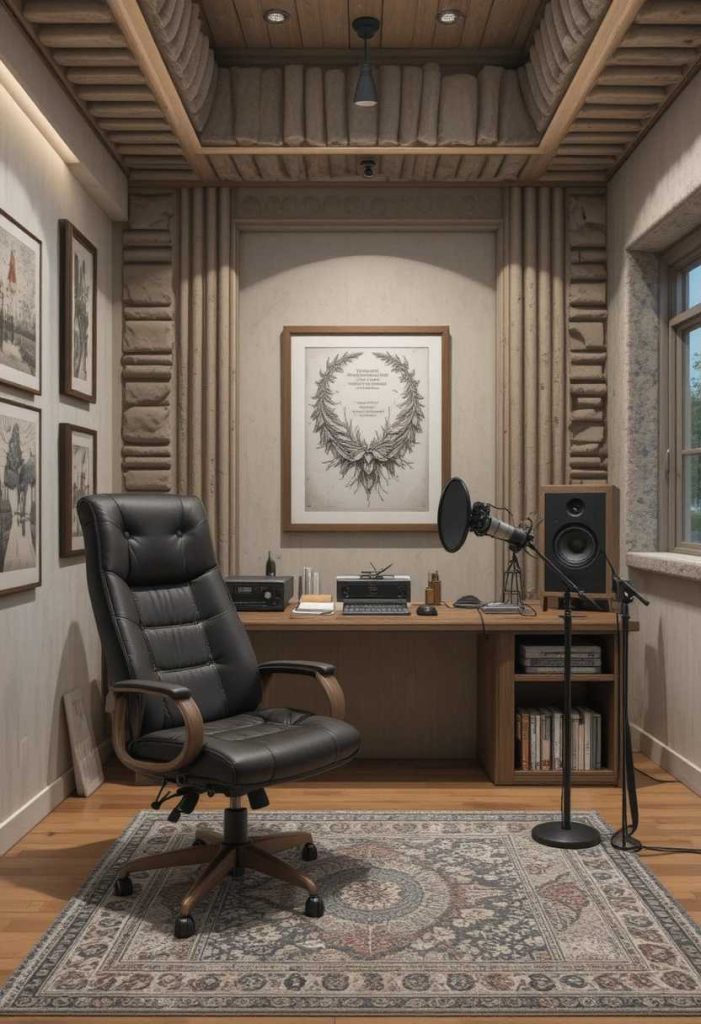
Fabric art, tapestries, or bookshelves double as sound treatment. They look good and help audio. Mine work beautifully. It is a smart way to improve sound.
How to do it:
Add fabric art, a tapestry, or full bookshelves. They absorb sound while looking good. Place them where sound reflects. Keep them balanced. Let them double as treatment.
24. Match It to Your Brand
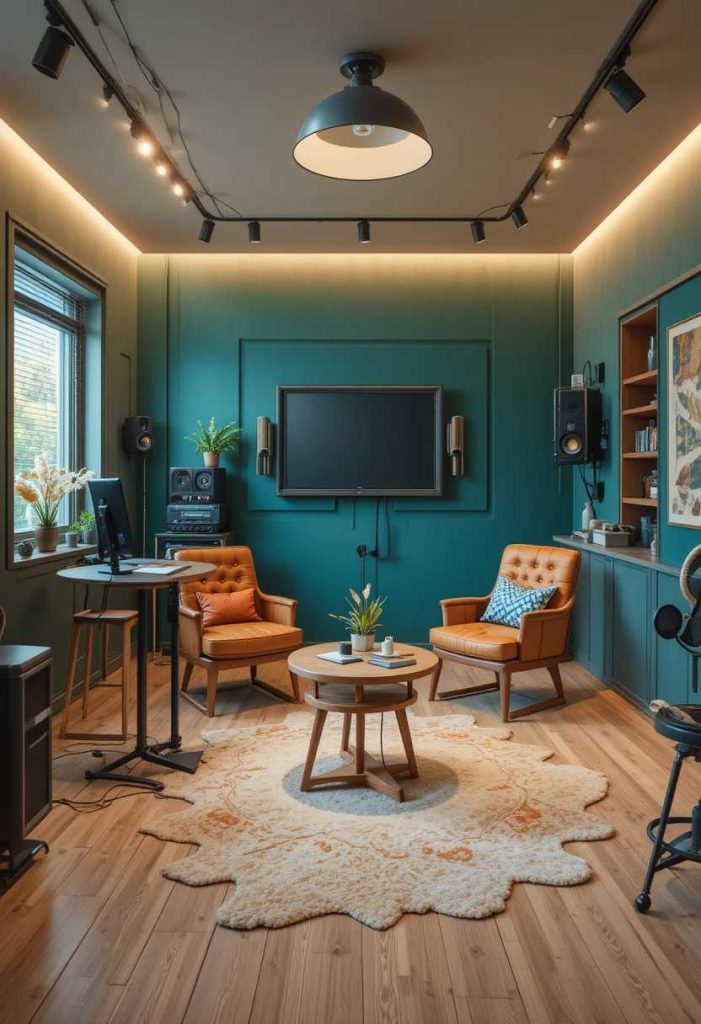
Styling the room to reflect your show ties it together. A cohesive look feels intentional. Mine reflects my brand. It is a thoughtful way to style with care.
How to do it:
Style the room to reflect your show or brand. Use your colours and vibe. Keep it cohesive. Add branded touches subtly. Let it feel considered.
25. Make It Stylish and Sound-Friendly
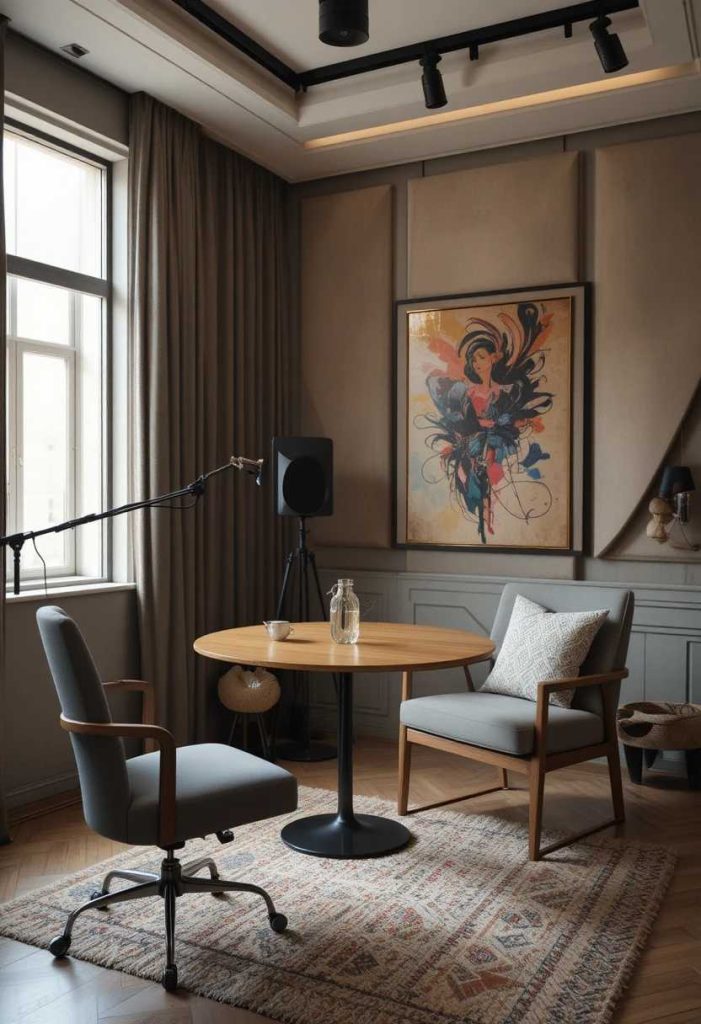
Finally, the best podcast room balances great sound with a stylish, comfortable setup. Treated acoustics, good light, and a considered backdrop make recording a pleasure. In my own home, a dedicated space made recording easier and more enjoyable. It is the loving finishing touch that turns a room into a stylish, sound-friendly studio you love to create in.
How to do it:
Balance good acoustics with style and comfort. Treat the sound, light it well, and style the backdrop. Keep it tidy and personal. Let it suit how you record. Above all, make it a studio you love to create in.
A Final Gentle Thought
Whichever ideas inspire you most, a podcast room is really about blending good sound, a stylish backdrop, and comfort so recording feels professional and enjoyable. Treat the acoustics, light it well, and style the background. In my own home, a dedicated space made recording a pleasure. May yours always be a stylish, sound-friendly studio you love to create in.
Frequently Asked Questions
How do I improve the sound in a podcast room?
Reduce echo and unwanted reflections by adding soft furnishings that absorb sound: acoustic foam or fabric panels on the walls, a thick rug on the floor, curtains at windows, and upholstered furniture. Recording in a smaller, furnished room rather than a large empty one, and avoiding hard parallel surfaces, also helps the audio sound warm and clear.
Do I need professional acoustic treatment?
Not necessarily to start. Many great-sounding podcasts are recorded in rooms treated with affordable acoustic panels, rugs, curtains, and soft furnishings. A quality microphone with a pop filter matters more than a fully soundproofed studio. As you grow, you can add more dedicated acoustic treatment, but a well-furnished, echo-reduced room goes a long way.
How do I make a podcast backdrop look good on camera?
Create a considered background with depth and personality: styled shelves with books and plants, framed art, a feature wall in a rich colour, or a neon sign. Keep it tidy and not too busy, add soft lighting to avoid harsh shadows, and leave a little space between you and the backdrop so it does not feel flat.
What lighting is best for recording video podcasts?
Soft, even, flattering light works best. Use a key light or softbox in front of you, avoid harsh overhead light that casts shadows, and add warm ambient lighting for mood. Natural light from a window facing you is lovely if consistent. A ring light is a simple, affordable option that lights your face evenly on camera.
Can I set up a podcast room in a small space?
Absolutely. A spare corner, a converted closet, or even a well-treated small room can make an excellent podcast space. Small, furnished rooms often sound better than large empty ones. Focus on good sound treatment, a tidy backdrop, comfortable seating, and neat cable management, and even a compact setup can look and sound professional.