23 Chicken Run Ideas to Keep Your Backyard Flock Safe, Happy, and Predator-Proof
There is something quietly joyful about watching your chickens potter around a space that is truly their own, scratching at the ground and stretching their wings in the open air. A good chicken run is far more than a fenced patch of dirt, because it is the daily playground, dining room, and safe haven where your flock spends most of its waking hours. When it is designed with a little thought and a lot of care, a run keeps curious foxes and hawks at bay while giving your birds room to behave like the happy, busy creatures they are. The best part is that you do not need a sprawling farm or a builder’s budget to create one, since clever ideas can transform almost any backyard corner into a cozy chicken paradise. Below are twenty three chicken run ideas, gathered with love and practicality in mind, to help you build a space that feels safe for them and looks lovely for you.
1. The Cozy Walk-In Covered Run
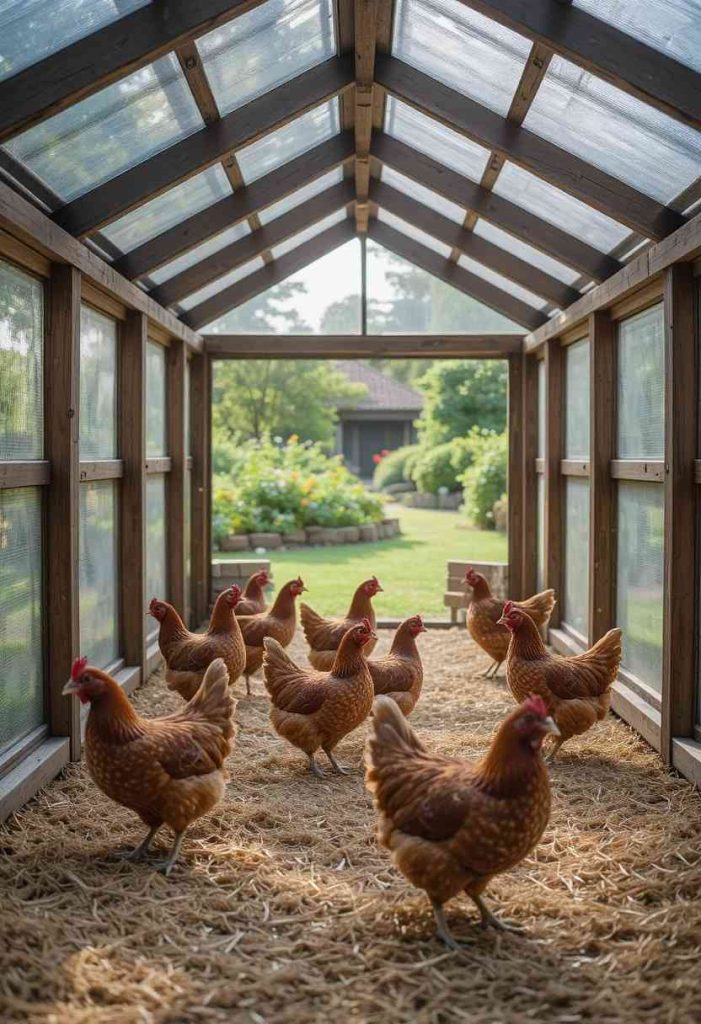
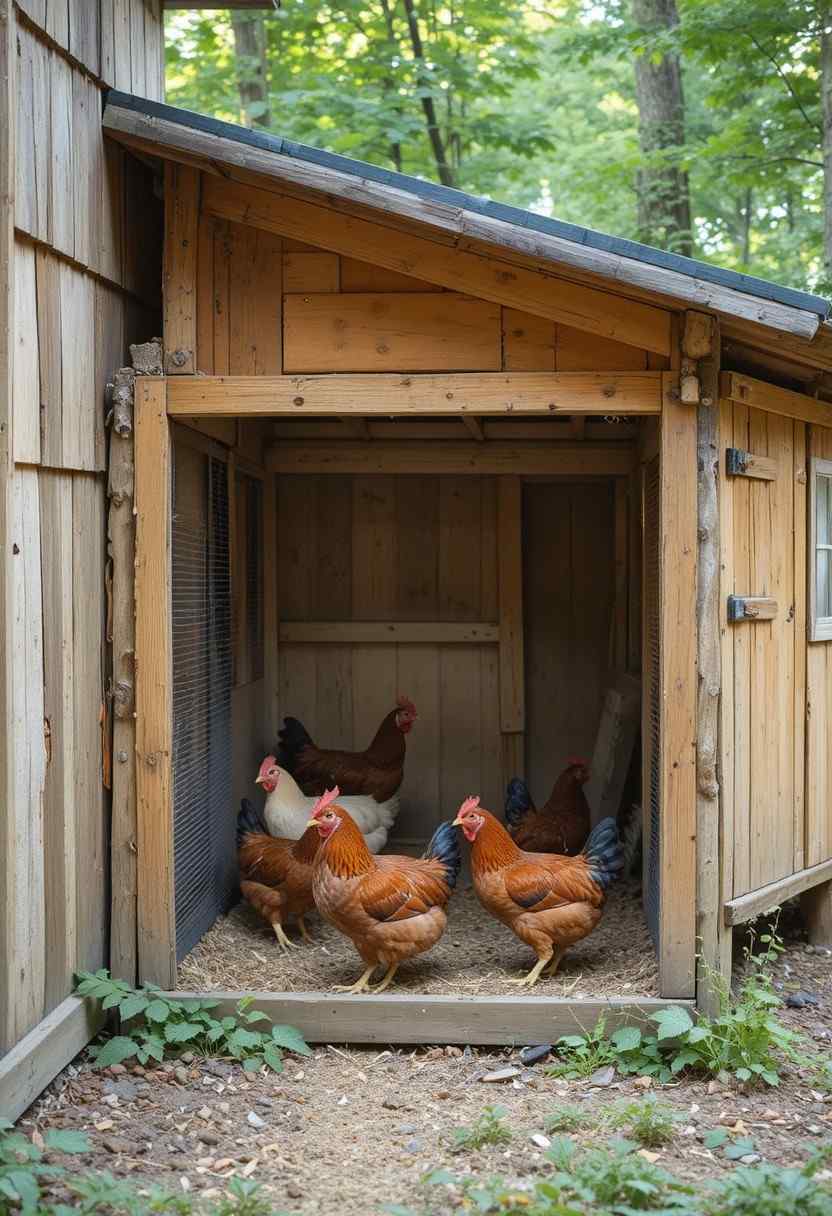
I still remember ducking into our first walk-in run on a drizzly morning, coffee in one hand and a bucket of feed in the other, and feeling pleased that I could stand up straight inside it. No more crouching to reach a waterer or crawling after a hen who had decided to lay behind the feed bin. With a solid roof overhead, the ground stays drier, the feed stays fresher, and my hens keep scratching happily while the rain patters above them. I chose clear corrugated panels so daylight still floods in, and I fitted the door with a latch I can work one-handed.
How to do it: Measure your space first, allowing at least 1 square metre per hen inside the run. Build a timber frame at least 1.8 metres high, cover the roof with clear corrugated panels, and wrap the sides in 1.25 cm hardware cloth, buried 30 cm deep. Fit a wide, latched door, add a dry dust-bathing patch, and check the roof after heavy rain.
2. The Charming A-Frame Run
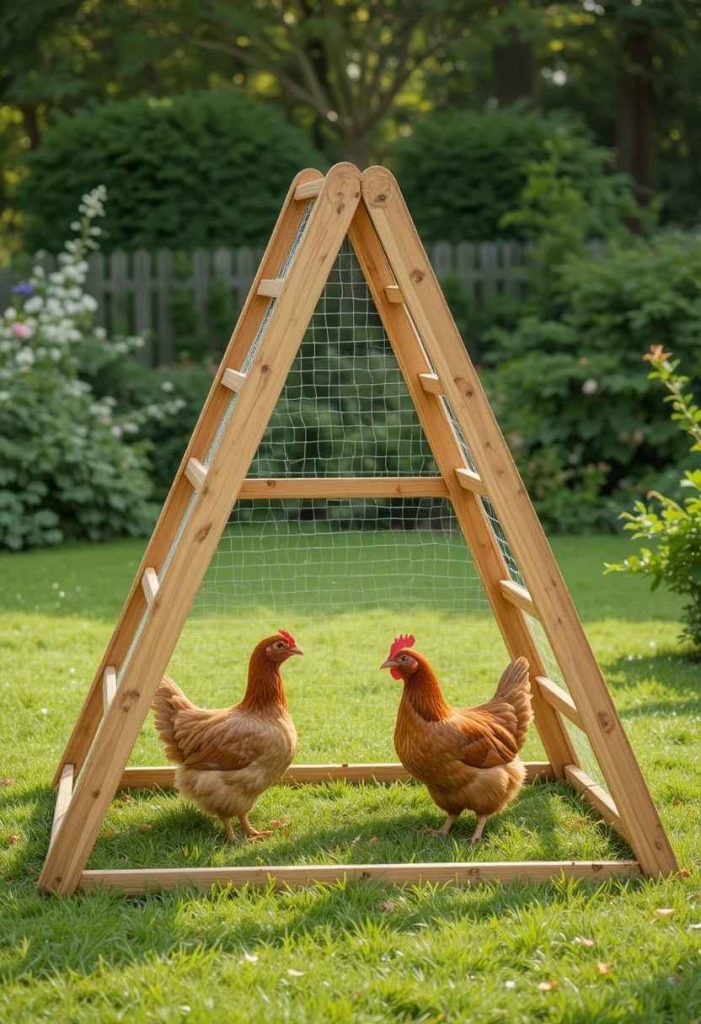
Our A-frame run was the first one I built by myself, and I love how little space it takes up in the corner of the garden. The triangular shape sheds rain well, the hens love the cosy top perch, and the whole thing is light enough for two of us to shuffle across the lawn when the grass underneath needs a rest. I added a small hinged door at one end for topping up water, and a run of hardware cloth along the base that stops even determined rats. It suits a small flock perfectly and looks tidy beside a flower bed.
How to do it: Cut two A-shaped timber frames and join them with a ridge beam, then clad the lower sides with 1.25 cm hardware cloth. Add a hinged door at one end, a perch near the top, and skids underneath so you can drag it to fresh grass. Peg the base down firmly and check the joints each spring.
3. The Mobile Chicken Tractor
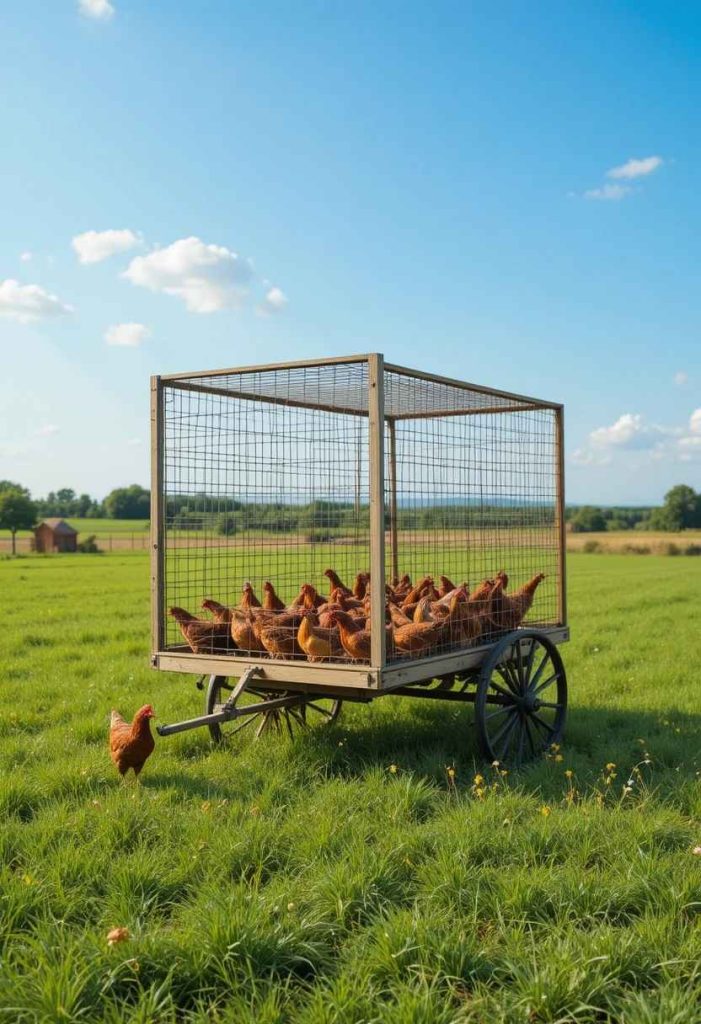
Moving our chicken tractor to a fresh patch of grass is one of my favourite Saturday jobs, because the hens rush out like it is a brand-new garden every time. They scratch, peck and fertilise as they go, and the patch they leave behind grows back greener than before. I keep the tractor light, with a handle at one end and wheels at the other, and I move it every two or three days so the ground never gets bare or muddy. A shaded corner and a small waterer travel with it, so the flock is never far from food, water and a dust bath.
How to do it: Build a light timber frame with hardware cloth sides, a solid roof section for shade, and a door you can reach through. Fit handles and wheels, move the tractor every two or three days, and always place it on level ground with water and a dust-bathing spot inside.
4. The Hardware Cloth Fortress
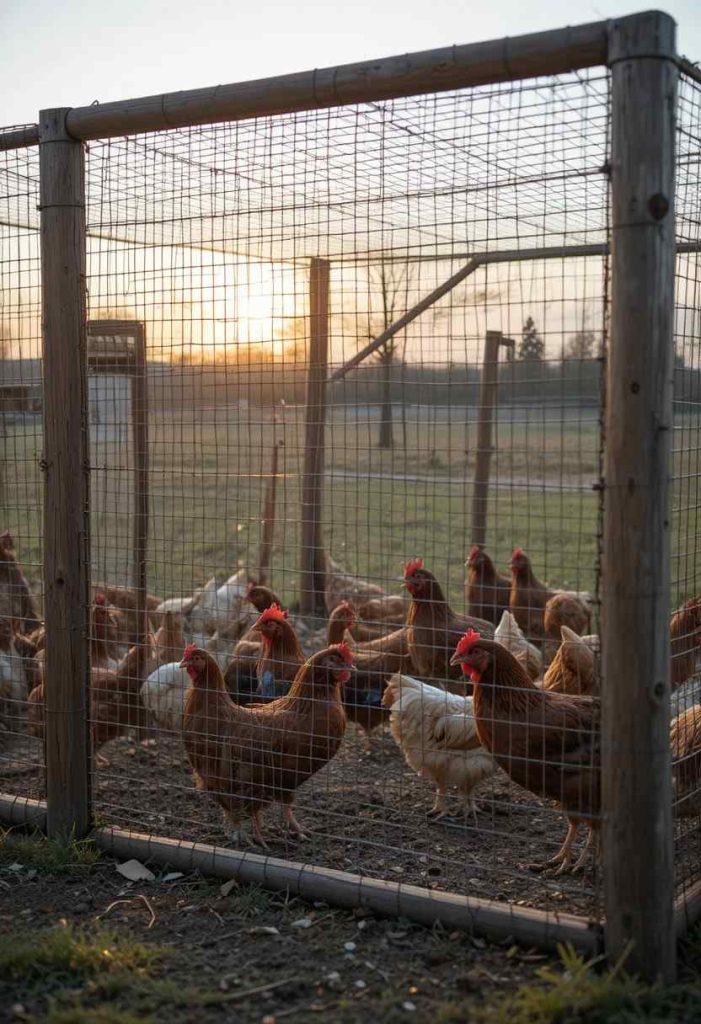
If predators are a worry in your area, a run wrapped in sturdy hardware cloth rather than flimsy chicken wire is the single upgrade I would make first. I learned this after a fox tested every corner of our first run one October night, and the 1.25 cm mesh held firm where chicken wire would have torn. I bury the cloth 30 cm deep, bend it outwards at the base, and screw it to the frame with washers so nothing can push it loose. It costs a little more, but I sleep far better knowing my hens are behind something a raccoon cannot reach through.
How to do it: Choose 1.25 cm galvanised hardware cloth and cut panels to fit your frame. Screw each panel on with washers every 15 cm, bury the bottom 30 cm deep or bend it out 30 cm as an apron, and cover every gap around doors and the roofline. Check for rust and loose screws each season.
5. The Soft Sand-Floor Run
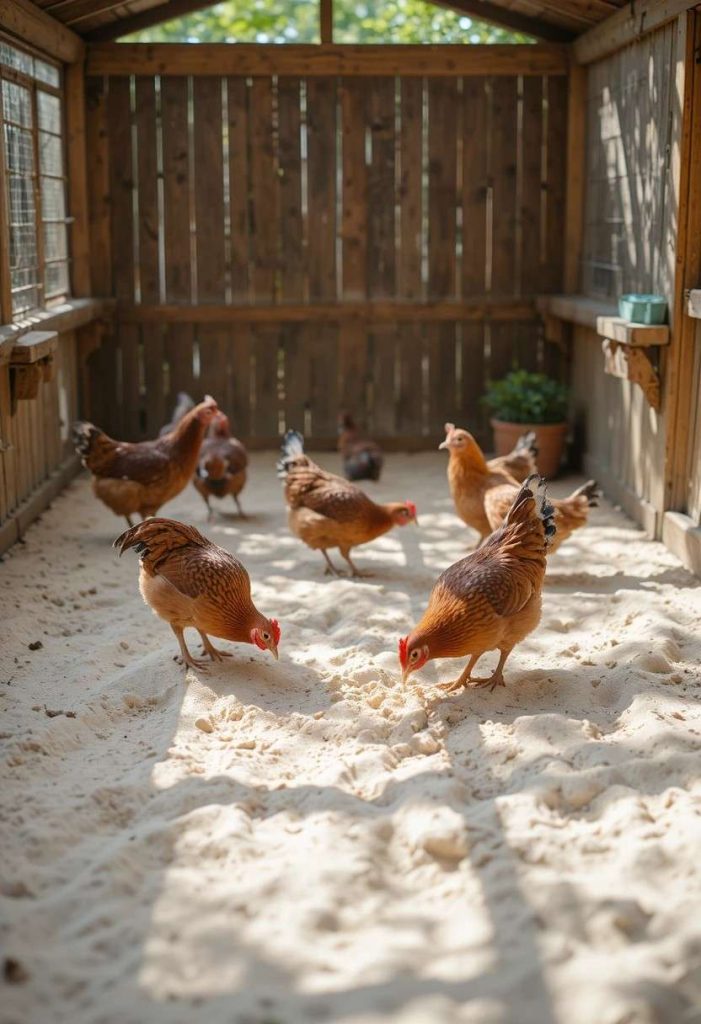
Swapping muddy ground for a clean layer of sand is one of those small changes that makes a big difference, especially after rain. My hens love dust bathing in it, their feet stay cleaner, and I can scoop out droppings in minutes with a litter scoop, just like a giant cat tray. I use coarse washed sand, about 10 cm deep, over a layer of gravel so water drains away instead of pooling. In summer it stays cool underfoot, and in winter it dries far faster than bare earth. If your run turns into a bog every February, sand is the easiest fix I know.
How to do it: Clear the run floor, lay a 5 cm gravel base for drainage, then add 10 cm of coarse washed sand. Rake it level, scoop droppings daily with a litter scoop, and top up the sand each spring. Keep the sand dry by covering at least part of the run.
6. The Garden-Integrated Run
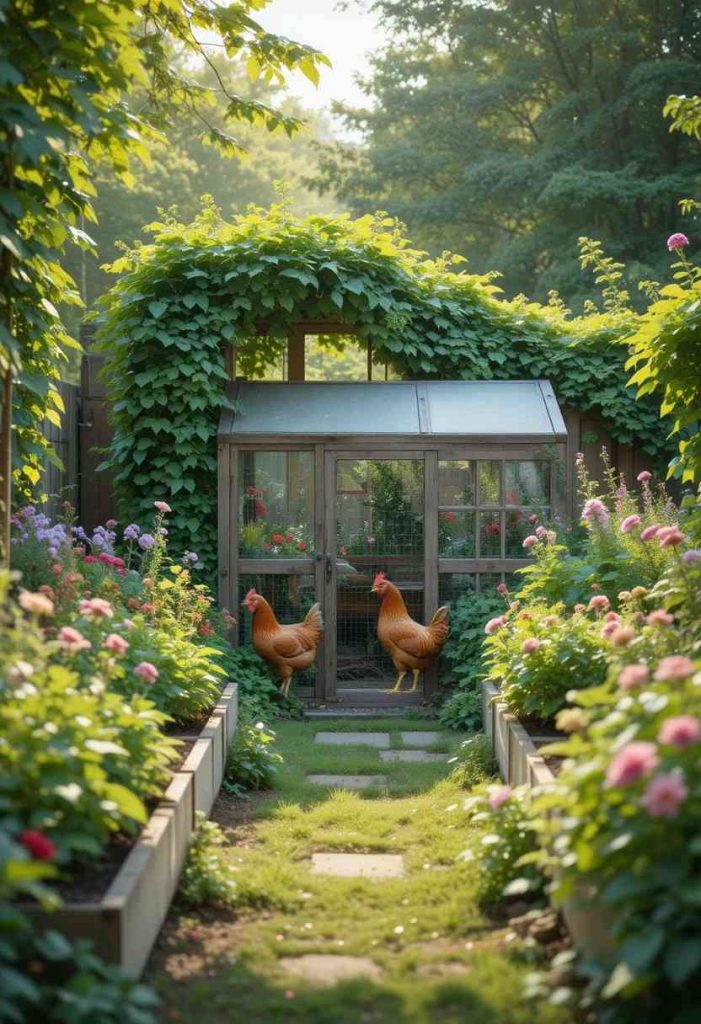
Why keep the run separate when it can become a part of your garden? By tucking it among raised beds and planting herbs around the outside, I turned a wire box into a corner I enjoy looking at. The hens get shade from plants, I get pest control, and the beds get a dose of manure when I move the run’s litter onto them. I keep the planting outside the wire, where beaks cannot strip it bare, and I plan the beds the way I plan my backyard vegetable garden design ideas, borrowing the neat rows from my potager garden ideas too.
How to do it: Site the run beside raised beds, leaving a path between them for cleaning. Plant herbs and flowers outside the wire, use the run’s litter as mulch, and keep a compost heap nearby. Rotate the planting each year so the soil stays healthy.
7. The Shady Pergola Run
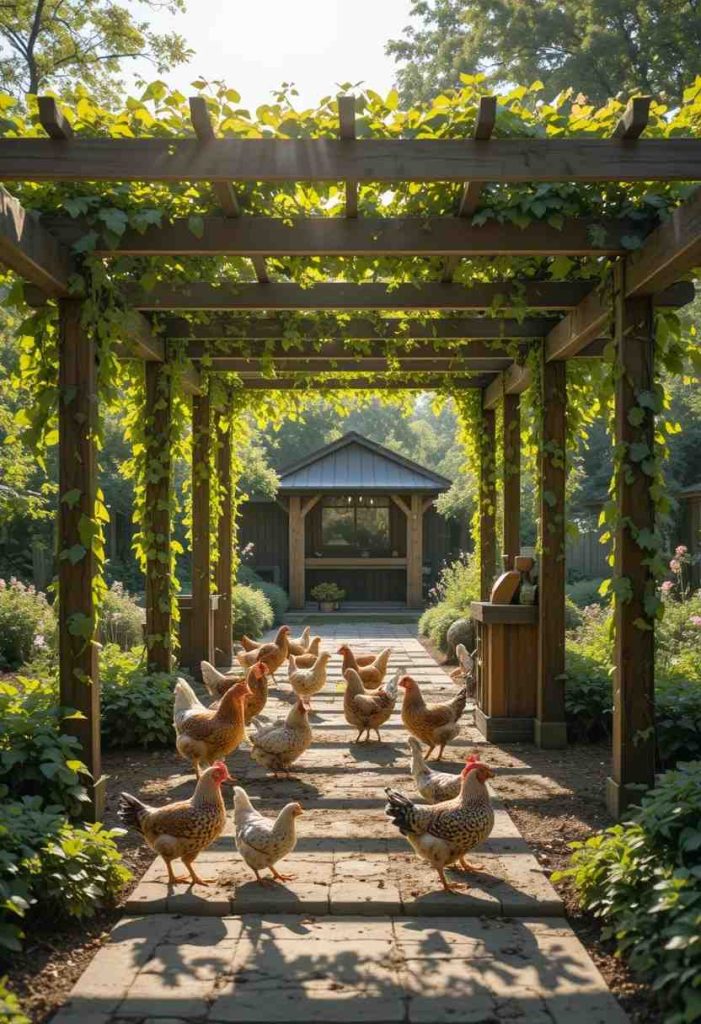
A pergola style run adds a touch of elegance while solving a very real problem, which is keeping your chickens cool on hot summer days. I trained a grapevine over ours, and by the second summer it gave dappled shade, a breeze underneath, and a handful of grapes for us too. The open beams let air move freely, so the run never feels stuffy, and I can hang a feeder and a few herbs from the crosspieces. It looks more like a garden feature than a pen, which matters when the run sits close to the patio. Choose sturdy posts and a vine that suits your climate.
How to do it: Set four sturdy posts in concrete, add cross beams, and cover the top with slats or a climbing plant. Train a grapevine or jasmine along the beams, hang feeders from the crosspieces, and check the posts each year for rot.
8. The Lean-To Run Beside the Coop
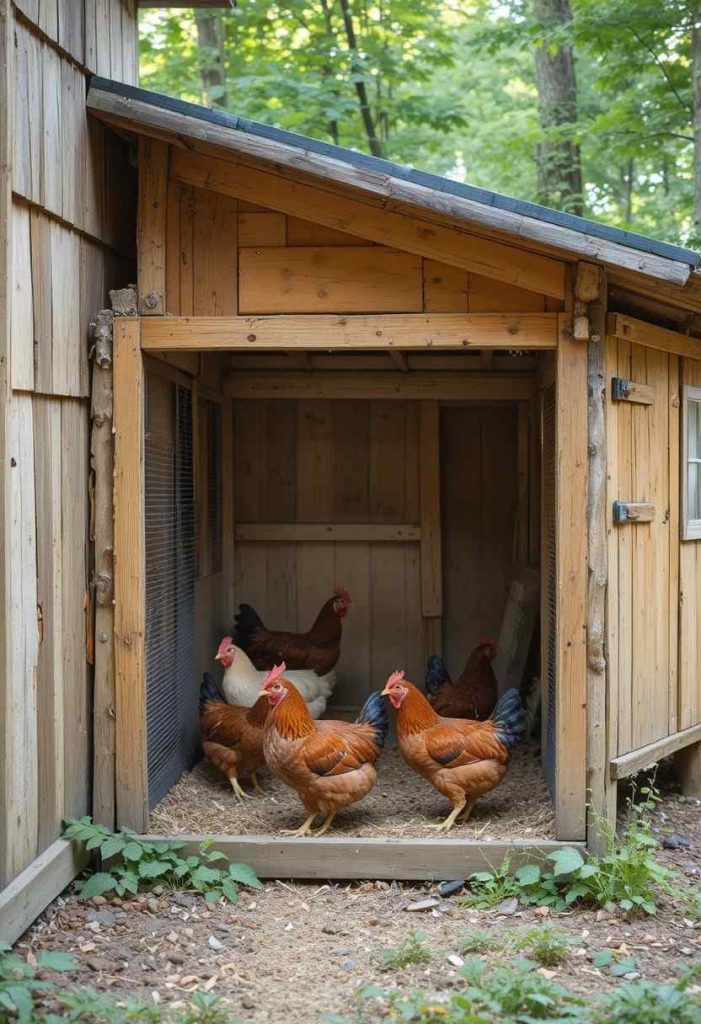
A lean-to run attached directly to the coop is a space saving idea that keeps everything neat and compact. Mine runs along the sunny side of the coop, using the coop wall as one side, which saved timber and gave the hens a sheltered wall to huddle against on windy days. I fitted a clear roof so rain runs off away from the door, and a wide gate at the far end for cleaning out bedding without disturbing the nest boxes. It works best on flat ground, and I always check that water cannot pool where the roof meets the coop wall.
How to do it: Fix a wall plate to the coop, set posts 1.8 metres out, and add a sloping clear roof. Wrap the sides in hardware cloth, fit a wide cleaning gate, and add a gutter so rain runs away from the coop door.
9. The Dust Bath Corner Run
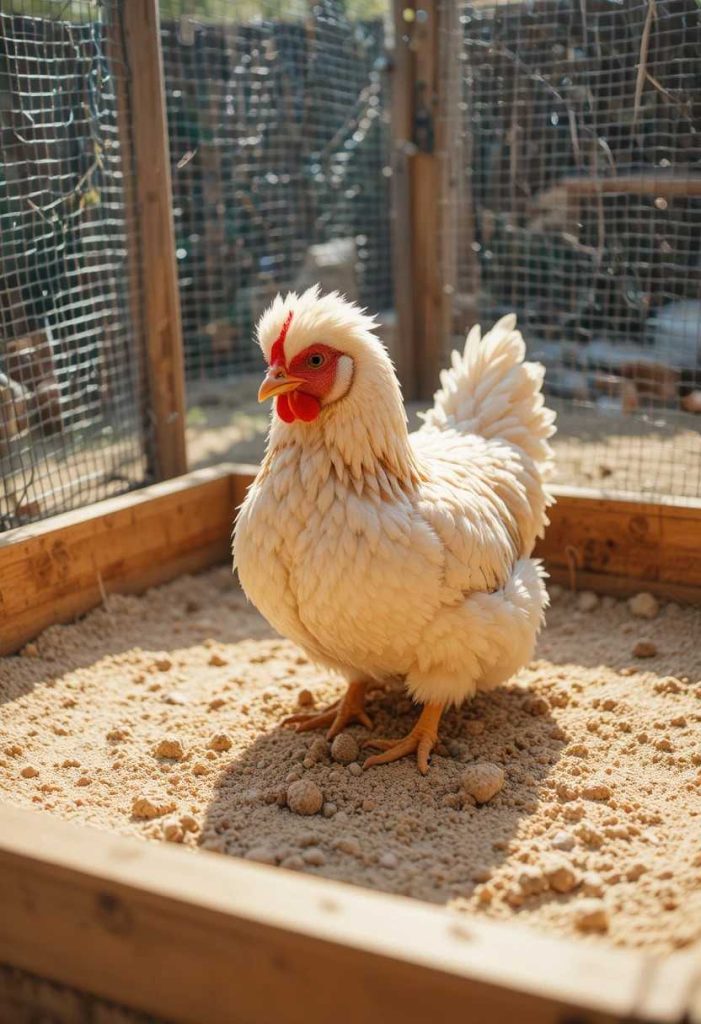
Chickens take their dust baths seriously, and giving them a dedicated corner for it is a thoughtful way to care for them. My hens spend ages fluffing dry soil through their feathers, which helps keep mites away and leaves them looking wonderfully content. I fill a shallow wooden box with dry soil, wood ash and a little sand, and I place it where the sun warms it in the morning. A simple cover keeps the rain off, and I top up the mix every couple of weeks. Watching a hen flop over in pure delight is one of the best parts of keeping chickens.
How to do it: Build a shallow wooden box about 60 cm square and fill it with dry soil, wood ash and sand. Place it in a sunny, sheltered spot, cover it when rain is forecast, and top up the mix every two weeks. Remove wet clumps promptly.
10. The Greenhouse-Style Run
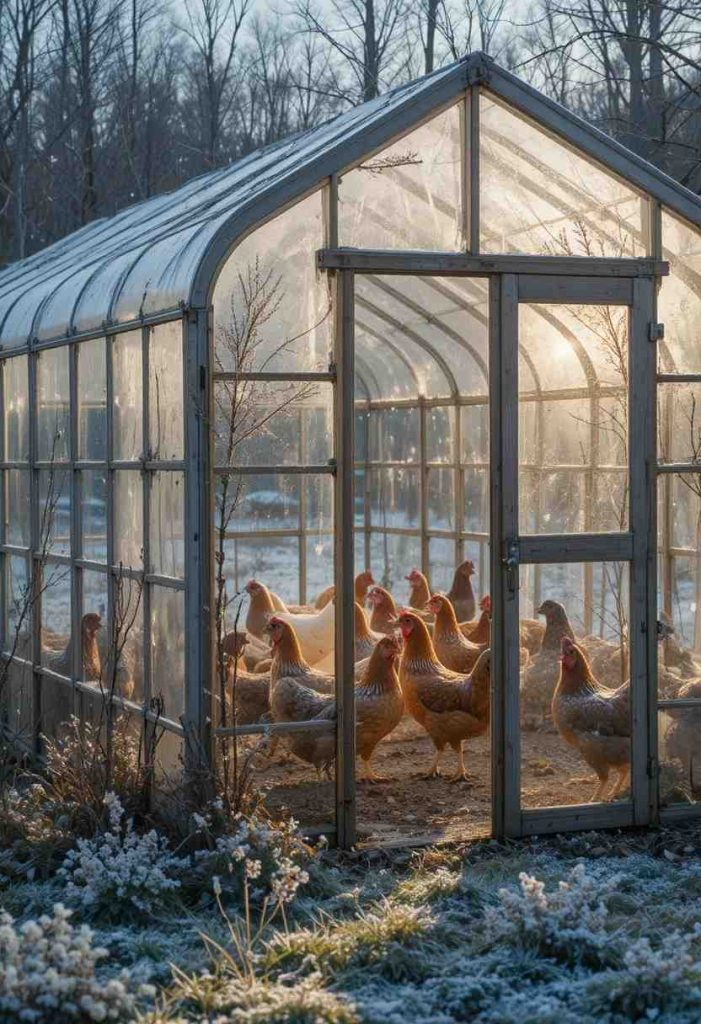
A run with clear or translucent panels works rather like a greenhouse, trapping gentle warmth that is a blessing in the colder months. I use polycarbonate panels on the windward side of ours, and on a sunny winter morning the hens are out scratching while frost still sparkles on the grass beyond. Ventilation matters, so I leave the far side open with mesh and prop a panel open on mild days to stop it getting stuffy. It also keeps the rain off the feed, which means less waste and drier bedding all year round.
How to do it: Fix polycarbonate panels to the windward side of the frame, leaving the opposite side in mesh for airflow. Add a roof vent or a panel you can prop open, and check the temperature inside on sunny days. Clean the panels each spring so light still gets through.
11. The Adventurous Chicken Tunnel
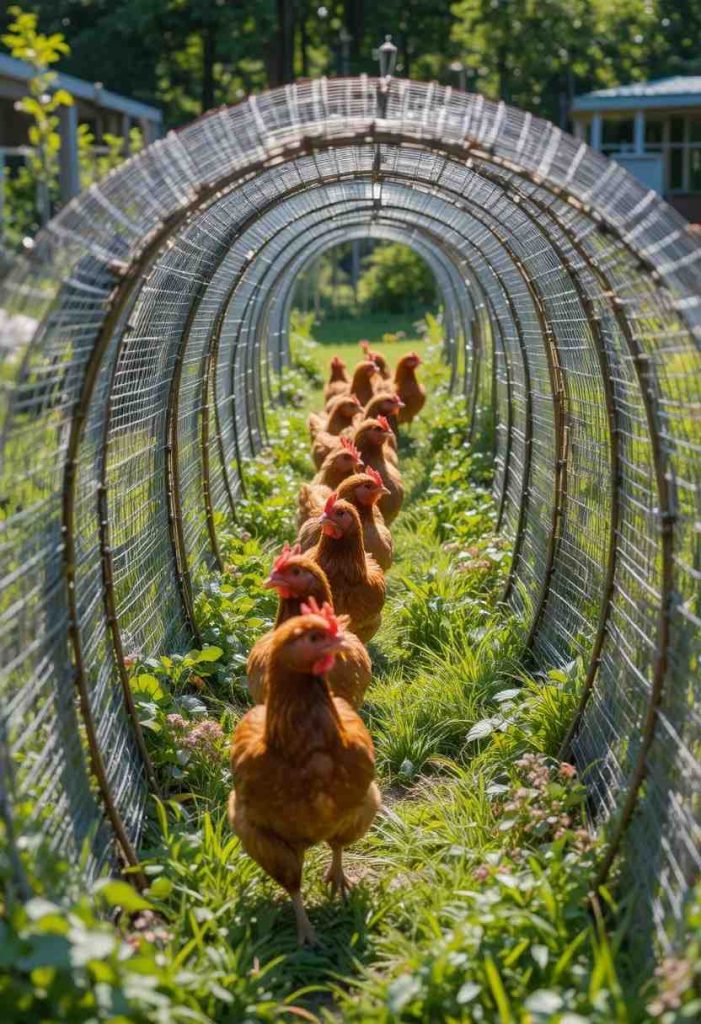
A chicken tunnel, affectionately called a chunnel, lets your flock travel safely between areas of the garden without you worrying about cats or hawks. Ours runs from the coop to a sunny patch by the vegetable beds, and the hens use it like a little motorway, popping out to graze and then hurrying home for a dust bath. I built ours from hoops and hardware cloth, with a flap at each end, and I move the far end every few weeks to give them fresh ground. It is great fun to watch, and it keeps the garden beds safe from scratching feet.
How to do it: Make hoops from bent pipe or wire, cover them with hardware cloth, and join the sections into a tunnel. Fix one end to the coop and the other to a movable pen, and check the joints each week. Keep the tunnel clear of long grass.
12. The Natural Shade Tree Run
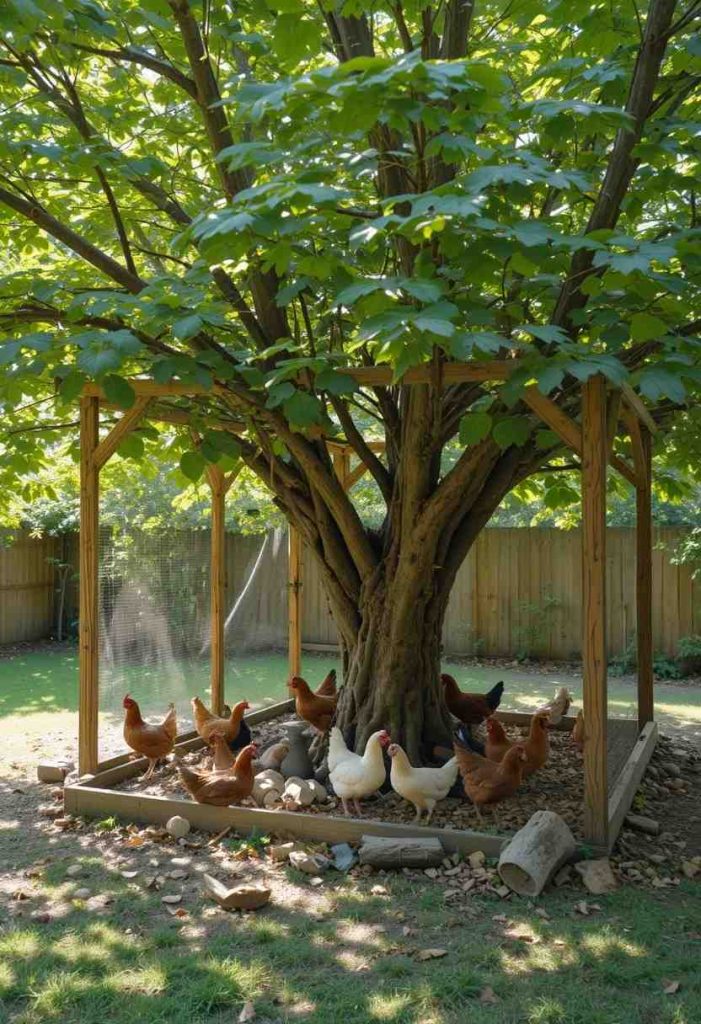
Building a run around an existing tree or two gives your chickens the most natural shade there is. Leaves rustle overhead, branches drop the odd tasty morsel, and the hens love scratching through leaf litter for insects. I wrapped the trunk with hardware cloth to protect the bark, and I made sure the fence follows the ground so no gaps open up around the roots. Prune any low branches that could help a predator in, and check the tree after storms. It feels less like a pen and more like a little woodland clearing.
How to do it: Plan the fence around the tree, keeping it at least 30 cm from the trunk. Wrap the trunk in hardware cloth, prune low branches, and fill any gaps at the roots with soil and mesh. Check the tree after storms for fallen branches.
13. The Multi-Level Tiered Run
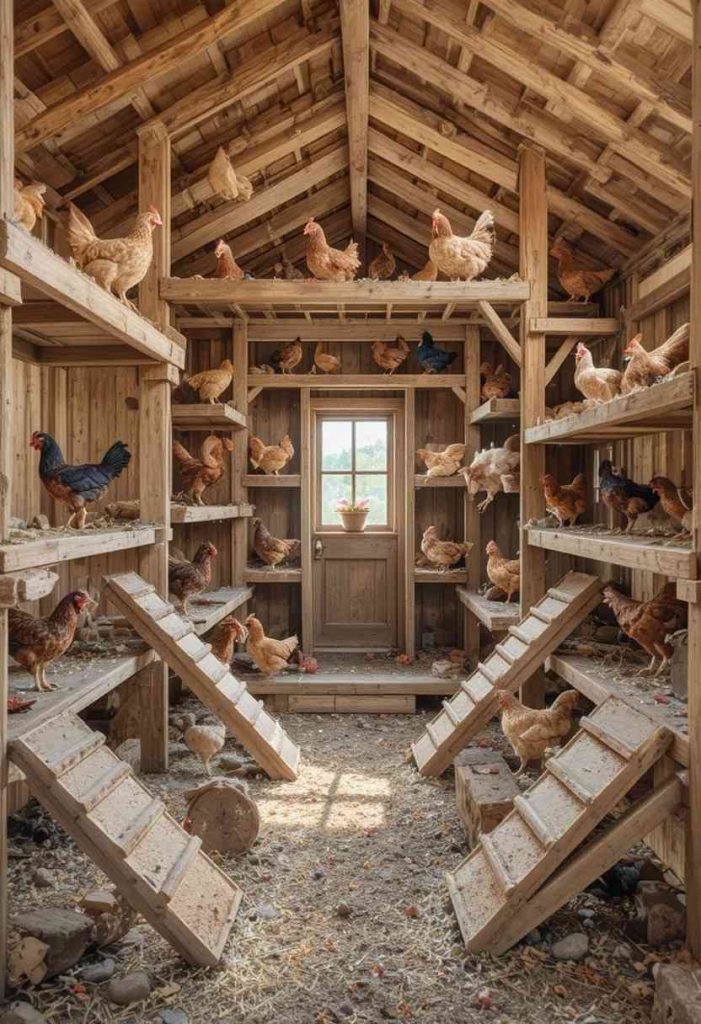
Adding ramps, platforms, and raised ledges turns a flat run into an exciting playground with vertical space for your flock to explore. My hens race up the ramp to the top perch every morning, and the shy ones claim the middle ledge as their own quiet spot. I keep the ramps wide with cleats for grip, and I make sure every platform has a rail so nobody tumbles off in a flap. Different levels also help when you introduce new hens, because they can move away from each other. It uses the same footprint, just far more cleverly.
How to do it: Add a wide ramp with cleats, a platform at mid height, and a top perch with a rail. Keep the spacing between levels under 45 cm so hens can hop easily, and check the fixings monthly. Provide a ramp down to food and water.
14. The Enrichment-Filled Run
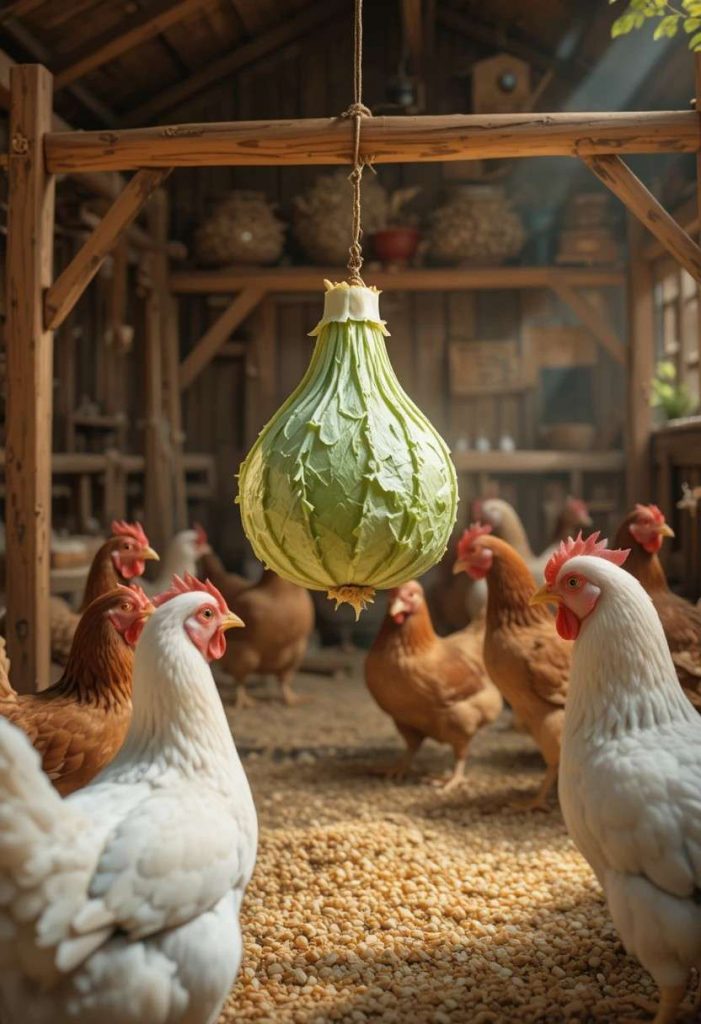
A run dotted with hanging treats, pecking blocks, and swinging perches keeps boredom far away. Chickens are curious birds, and mine will spend half an hour working at a cabbage hung on a string before they even think about squabbling. I rotate the toys every week or so, swapping a mirror for a pile of leaves, a pecking block for a bunch of herbs, so the run always feels new. Keep everything at beak height, check ropes for fraying, and never use anything small enough to swallow. A busy hen is a happy hen, and a happy hen lays better too.
How to do it: Hang a cabbage or a pecking block at beak height, add a swinging perch, and scatter leaves or herbs for foraging. Rotate the items weekly, check ropes for fraying, and remove anything small enough to swallow.
15. The Rustic Picket Fence Run
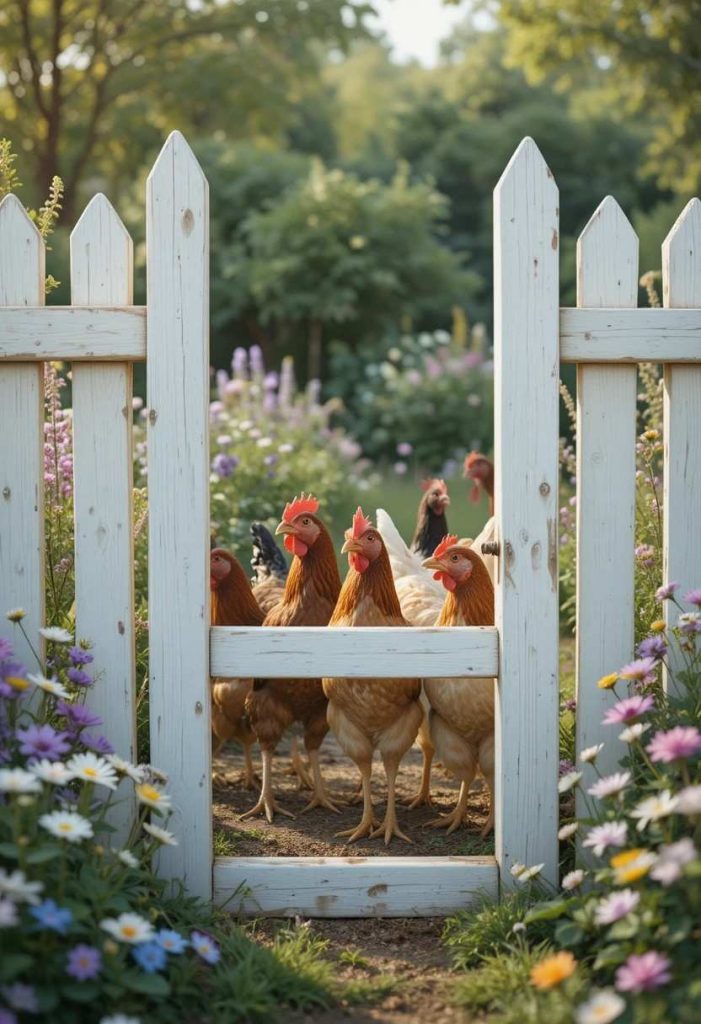
For a run that charms the eye, a low wooden picket fence brings instant cottage character. Painted soft white or sage green, it frames the run rather than hiding it, and it looks right at home beside a flower border. I use the pickets as the pretty outer face, with a layer of hardware cloth behind them doing the real work against predators. It needs a lick of paint every year or two, and I check the base for rot each spring. It is proof that a practical run can still be pretty.
How to do it: Build the run frame in hardware cloth first, then fix pickets to the outside as a decorative face. Paint the pickets with weatherproof paint, check the base for rot each spring, and keep the gate latched with a predator proof catch.
16. The Recycled Pallet Run
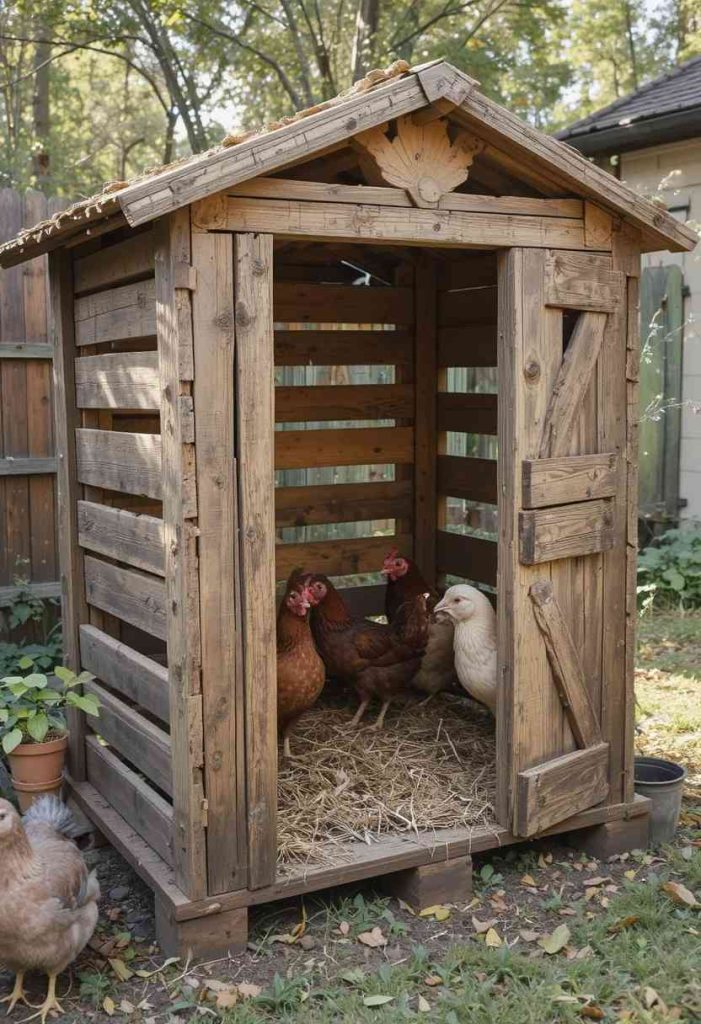
Building a run from reclaimed pallets is kind to both your wallet and the planet. With a little sanding and a coat of weatherproof paint, my pallet panels look surprisingly smart, and the hens do not care one bit that their home cost almost nothing. I choose heat treated pallets, never chemically treated ones, and I line the inside with hardware cloth so small gaps cannot become escape routes. It took a weekend to build, with a friend helping to hold the panels steady. Check each pallet for nails before you start, and wear gloves.
How to do it: Choose heat treated pallets, remove nails, and sand rough edges. Fix panels together, line the inside with hardware cloth, and paint with weatherproof paint. Check the structure each season for loose boards.
17. The Automatic Door Run
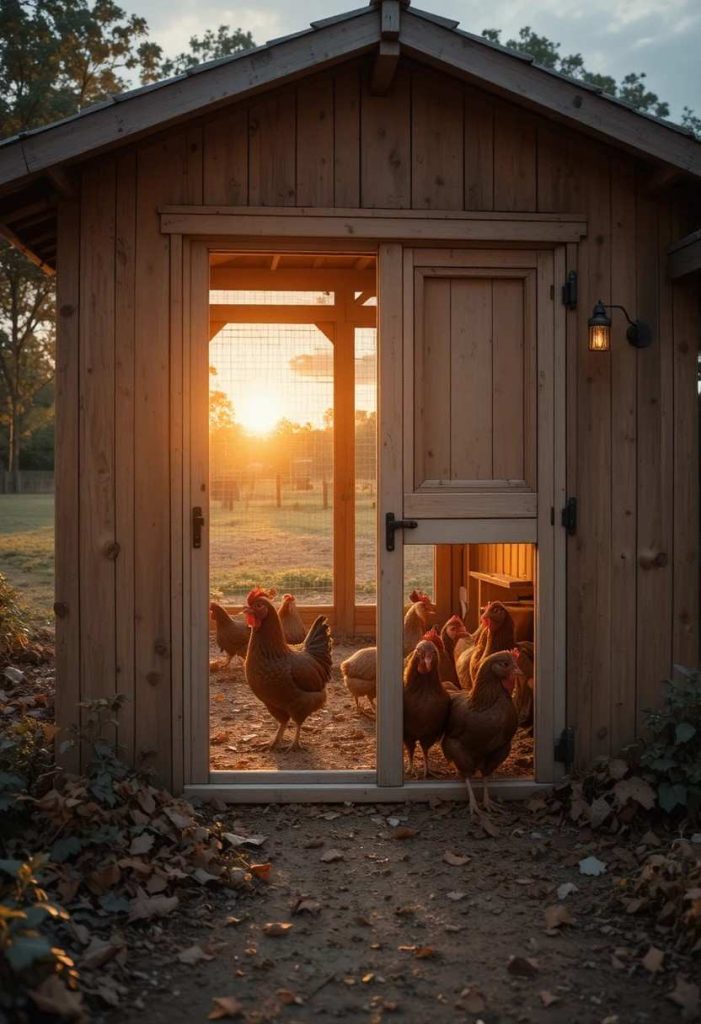
Pairing your run with an automatic coop door takes a daily worry off your shoulders. The door opens at dawn and closes at dusk, so even if I am out for the evening, my hens are safely shut in before dark. I chose a model with a light sensor and a manual override, and I test it every Sunday by watching it close. It is not a replacement for a secure run, of course, because a fox can still test the fence, but it means I never lie awake wondering if I remembered to lock up. Keep the sensor clean and the batteries fresh.
How to do it: Fit the automatic door to the coop opening, following the maker’s instructions, and set the light sensor or timer. Test the door daily for a week, keep the sensor clean, and always keep a manual override working.
18. The Deep Litter Run
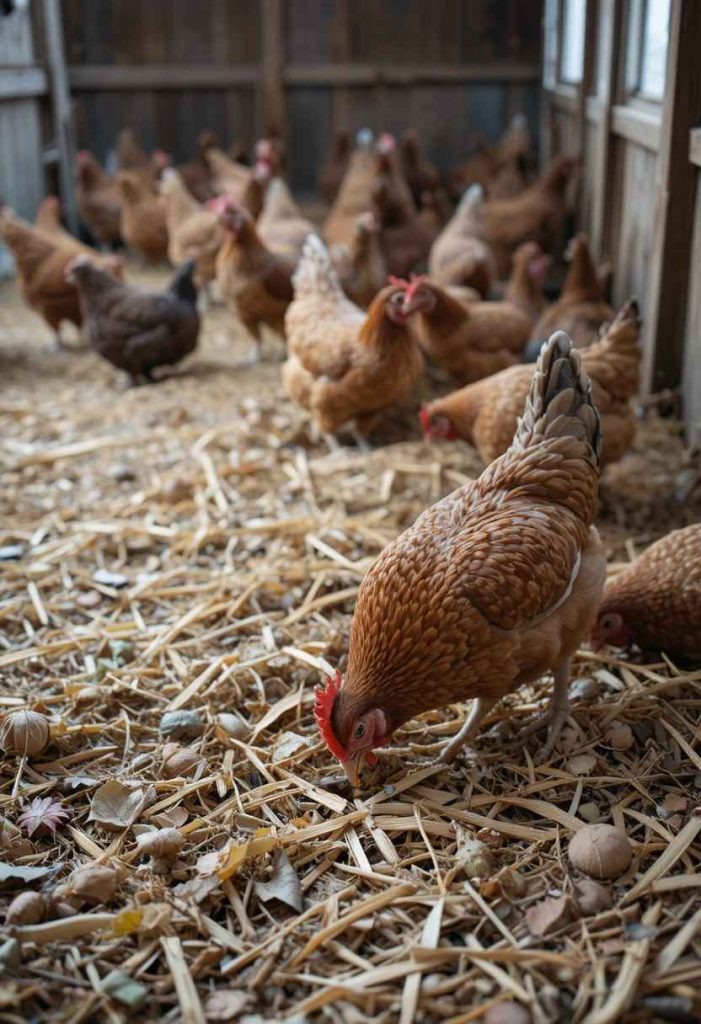
A deep litter run uses a thick, ever building layer of straw, leaves, and wood shavings that the chickens constantly turn over as they scratch. It composts gently underneath, smells earthy rather than unpleasant, and gives my hens something interesting to dig through all winter. I start with 15 cm of dry material and add a fresh handful every week, turning any damp patches with a fork. Once or twice a year I clear it out and use it on the garden beds, where it works wonders. It is low cost, low smell, and wonderfully natural.
How to do it: Lay 15 cm of straw, leaves and wood shavings on the run floor. Add fresh material weekly, fork over damp patches, and clear the litter to the compost heap once or twice a year. Keep the roof sound so rain cannot soak it.
19. The Rainproof Roofed Run
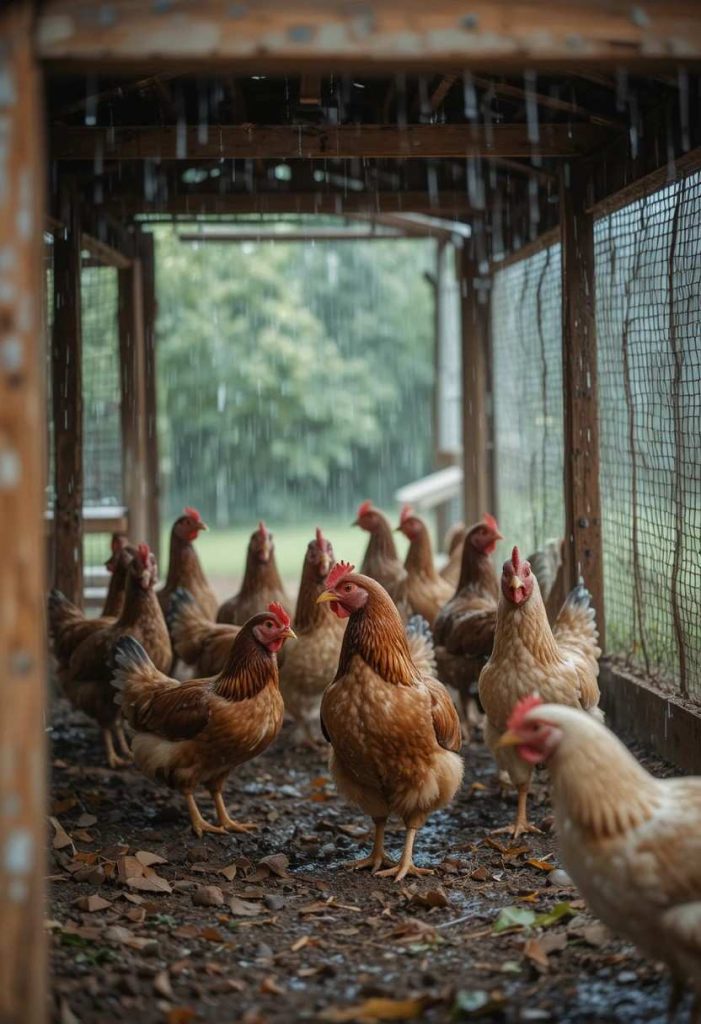
A solid roof over at least part of the run means soggy weather never spoils your flock’s day. Chickens do not mind a light shower, but a heavy downpour can leave them cold, wet, and miserable, so I roofed the feeding end of ours with clear corrugated panels. The hens still get daylight, the feed stays dry, and there is always a dry patch of ground for a dust bath. I made the roof slope gently so rain runs off into a gutter, and I check it after storms for leaves and damage. It is a simple cover with a big payoff.
How to do it: Roof at least the feeding end with clear corrugated panels, sloping gently to a gutter. Fix the panels with screws and washers, check for leaves after storms, and keep a dry dust-bathing patch underneath.
20. The Decorative Cottage Run
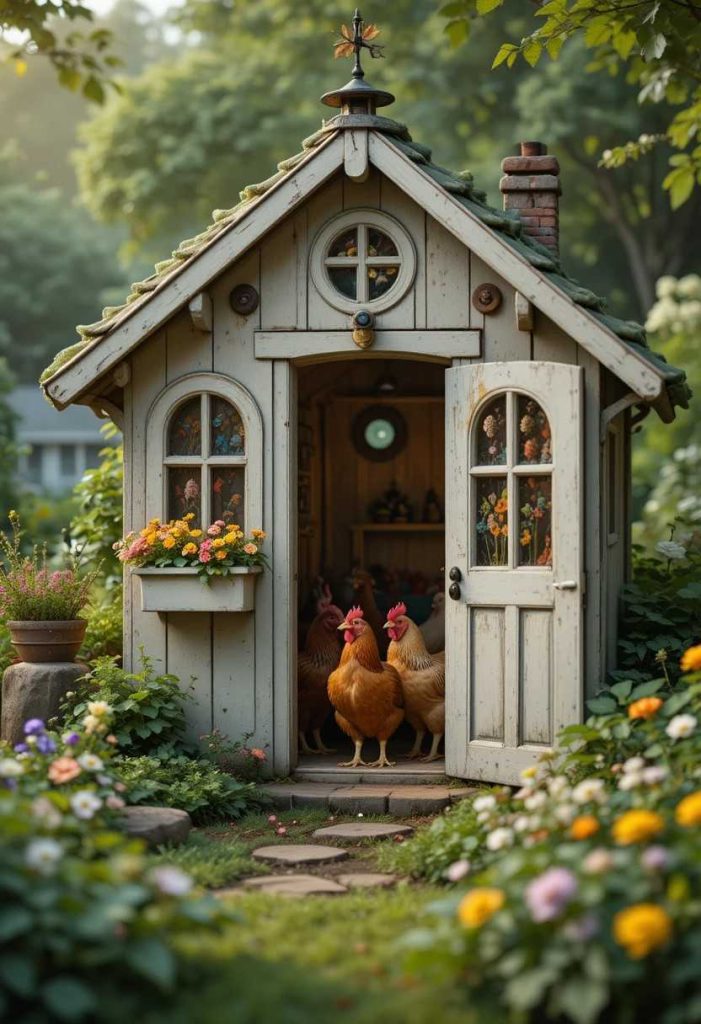
When you want your run to be a true feature, dress it up with little decorative touches like a tiny window box, a picket gate, and climbing roses around the frame. I painted ours sage green, added a small sign with our flock’s name, and planted lavender along the front, which the bees love too. It sits happily beside the cottage planting in my English cottage garden ideas, and visitors often ask if it is a playhouse before they spot the hens. The decorations are all outside the wire, so they stay clean and the hens stay safe.
How to do it: Paint the frame in a soft garden colour, add a picket gate and window boxes outside the wire, and plant lavender or roses around the base. Keep all decoration outside the run, and repaint every two years.
21. The Electric Netting Run
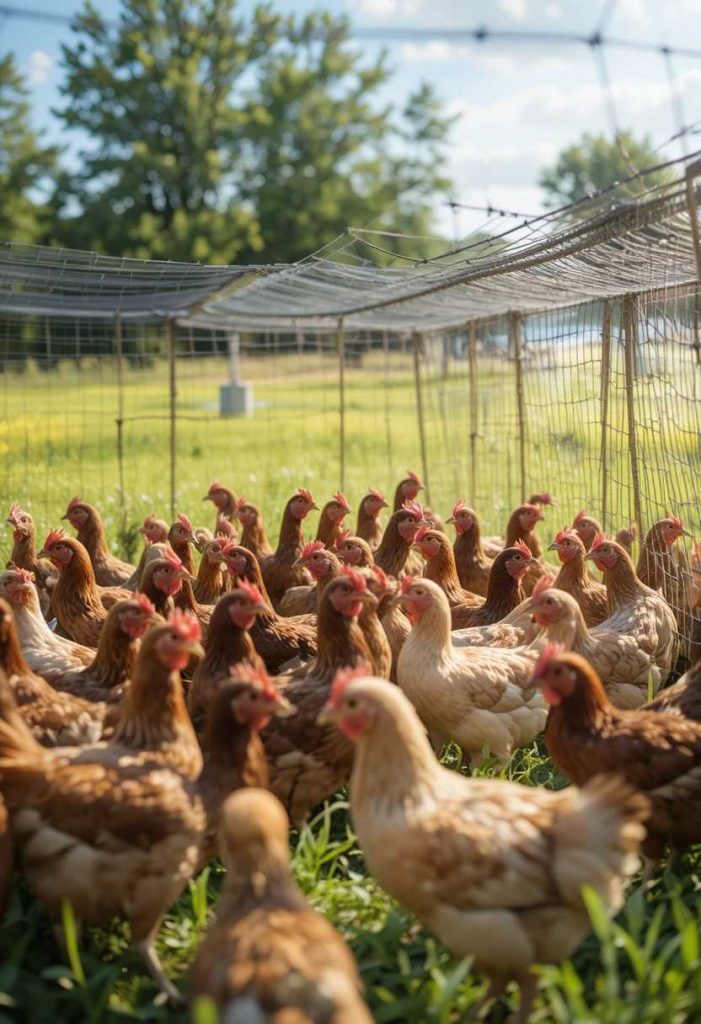
Portable electric poultry netting is a flexible favourite for keepers who like to move their flock around. I use it to fence off a fresh patch of grass for a few weeks, then move it on when the ground needs a rest. The netting gives the hens room to roam while keeping foxes at bay, and it packs away neatly when I do not need it. I always check the voltage, keep the grass trimmed along the base, and never leave it up where children or dogs might trip over it. It is not a permanent run, but it is wonderfully useful.
How to do it: Set up the netting on level ground, keep grass trimmed at the base, and connect the energiser, checking the voltage. Move the netting every few weeks, and always supervise children and dogs near it.
22. The Winterized Insulated Run
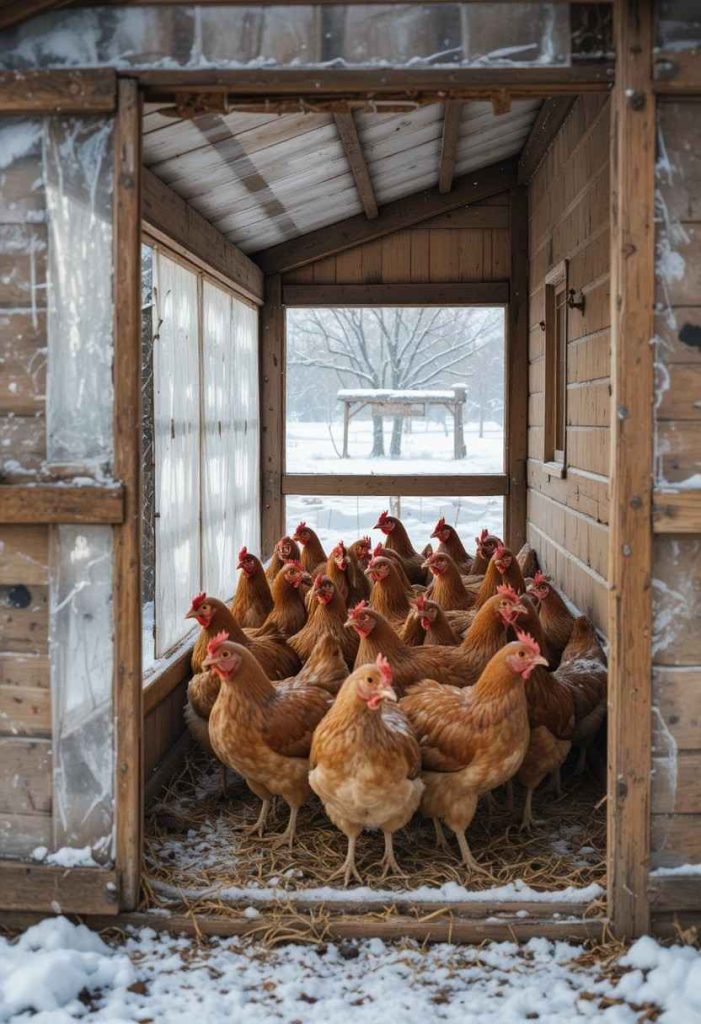
In colder regions, wrapping part of the run with clear panels or windbreaks keeps icy gusts away and lets your hens enjoy fresh air even on chilly days. I add panels to the windward side in late autumn, leaving plenty of ventilation at the top so moisture cannot build up. A thick layer of straw on the ground keeps feet warm, and I check the water twice a day so it never freezes solid. The hens still venture out, scratching in the straw and enjoying the winter sun. It makes the cold months far more comfortable for everyone.
How to do it: Fix clear panels to the windward side in late autumn, leaving a ventilation gap at the top. Add thick straw bedding, check water twice daily in freezing weather, and remove the panels in spring.
23. The Rotational Paddock Run

Dividing your space into two or more paddocks lets you rest one section while the flock enjoys another, which keeps the grass alive and the ground healthy. I rotate my hens every two or three weeks, and the rested paddock soon grows back lush and green, ready for them again. Each paddock has its own gate, waterer, and a dust bath, so moving day is quick and calm. I scatter a little seed on the rested ground to help it recover. It is the closest thing to free ranging, with all the safety of a fenced run.
How to do it: Divide the run into two or more paddocks with gates between them. Rotate the flock every two or three weeks, scatter seed on rested ground, and give each paddock its own waterer and dust bath.
Frequently Asked Questions
How big should a chicken run be?
Allow at least 1 square metre per hen inside the run, and more if you can manage it. Hens that have room to scratch, dust bathe and move away from each other stay calmer and healthier. If your flock is large, build the run bigger from the start rather than adding on later.
How do I keep foxes out of my chicken run?
Use 1.25 cm galvanised hardware cloth instead of chicken wire, bury it 30 cm deep or bend it out as an apron, and fit a two-step latch on every door. Check the run weekly for gaps, loose screws and digging, especially after rain softens the ground.
Does a chicken run need a roof?
A roof is not essential, but I recommend covering at least part of the run. It keeps feed and bedding dry, gives shade in summer, and stops hawks swooping in from above. Clear panels work well because they let light through while keeping rain out.
What is the best floor for a chicken run?
Coarse washed sand drains well and is easy to scoop clean, while deep litter suits keepers who want a composting floor. Avoid bare mud, which turns to a bog in wet weather and harbours parasites. Whichever floor you choose, keep it dry and top it up regularly.
How often should I clean my chicken run?
Scoop droppings and refresh water daily, rake the floor weekly, and give the whole run a deeper clean each season. Replace wet bedding straight away, check the mesh and roof after storms, and watch for mites in the corners and perches.
Your Chicken Run Checklist
☐ Choose hardware cloth, not chicken wire, for every side.
☐ Bury mesh 30 cm deep or bend it out as an apron.
☐ Fit a two-step latch on every door and gate.
☐ Cover at least part of the run with a solid roof.
☐ Give each hen at least 1 square metre of run space.
☐ Add a dry dust-bathing corner with soil, ash and sand.
☐ Provide fresh water and shade every day.
☐ Add perches, ramps and enrichment to keep hens busy.
☐ Scoop droppings daily and rake the floor weekly.
☐ Check mesh, latches and roof after every storm.
☐ Keep feed dry and stored away from rats.
☐ Walk the run weekly and look for gaps, digging and wear.
A Run Your Hens Will Love Coming Home To
Whichever of these twenty-three ideas you start with, the goal is the same: a run where your hens feel safe, busy and content from morning to night. Start with the predator proofing, because no amount of decoration matters if a fox can get in, then add the comforts that suit your flock and your garden. A dry dust bath, a shady perch and fresh water will do more for your hens than any fancy extra. Build it a little at a time, watch how your flock uses it, and change what does not work. Before long, you will have a run that suits your hens, suits your garden, and gives you a quiet, happy corner to visit every day.